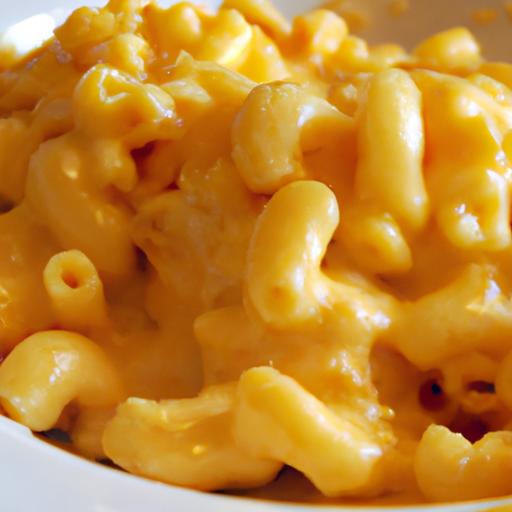

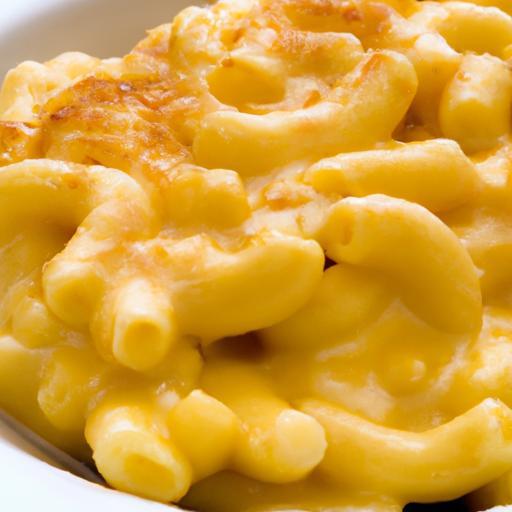
There’s something universally heartwarming about a steaming bowl of mac and cheese-a dish that wraps you in a blanket of creamy, cheesy goodness with every spoonful. From humble origins as a simple pasta and cheese casserole too its status as a beloved comfort food icon, mac and cheese has carved out a special place in kitchens and hearts around the world.But beyond its gooey appeal lies a rich history filled with cultural twists and culinary innovation. In this article, we’ll dive into the story behind mac and cheese’s enduring charm and share expert tips to help you achieve that perfect, velvety texture every time you dig in. Whether you’re a nostalgic diner or a curious cook, get ready to savor the cheesy comfort that has delighted generations.
Mac and cheese has been a beloved staple across tables worldwide, melding creamy, velvety cheese with tender pasta in a harmony that feels like pure comfort. From its intriguing European origins to the classic American adaptations, mac and cheese offers more than nourishment-it tells a story of tradition, home, and innovation in every bite.
Prep and Cook Time
- readiness: 15 minutes
- Cooking: 25 minutes
- Total Time: 40 minutes
Yield
- Serves 6 generous portions
Difficulty Level
- Easy to Medium – Perfect for home cooks ready to up their comfort food game
Ingredients
- 1 lb elbow macaroni, cooked al dente according to package instructions
- 4 tbsp unsalted butter
- 1/4 cup all-purpose flour, sifted
- 4 cups whole milk, warmed
- 2 cups sharp cheddar cheese, shredded
- 1 cup Gruyère cheese, shredded
- 1 tsp Dijon mustard
- 1/2 tsp garlic powder
- Salt and freshly ground black pepper, to taste
- 1/2 cup panko breadcrumbs (optional, for crispy topping)
- 2 tbsp Parmesan cheese, grated (optional, for topping)
Instructions
- Cook the pasta: Bring a large pot of salted water to a boil. Add elbow macaroni and cook just until al dente, about 7 minutes. Drain well and set aside,tossing with a little butter to prevent sticking.
- Make the roux: In a heavy-bottomed saucepan, melt the butter over medium heat. Add the flour and whisk constantly for about 2-3 minutes, until it forms a smooth, pale golden paste and smells slightly nutty.
- Add milk gradually: Slowly pour in the warmed milk while whisking continuously to avoid lumps. Cook for 8-10 minutes, stirring often, until the sauce thickens to a creamy, coat-the-back-of-a-spoon consistency.
- Season and cheese it: Reduce heat to low. Stir in the dijon mustard,garlic powder,salt,and pepper. Gradually fold in the sharp cheddar and Gruyère cheeses until melted and silky smooth.Taste and adjust seasoning as needed.
- Combine pasta and cheese sauce: Add the cooked macaroni to the sauce, stirring gently to fully coat the pasta in cheese.
- Optional crispy topping: Preheat oven to 375°F (190°C). Transfer mac and cheese into a buttered baking dish. Mix panko breadcrumbs with Parmesan cheese and a drizzle of melted butter, then sprinkle evenly on top.
- Bake and brown: Bake uncovered for 15-20 minutes until the top is golden and crisp but the inside remains luscious and creamy. Remove from oven and let rest for 5 minutes before serving.
Chef’s Notes: Tips for Success
- Cheese selection: Choose sharp, flavorful cheeses that melt well. Combining cheddar with Swiss or Gruyère deepens richness and complexity.
- Milk temperature: Warm the milk before adding to prevent chilling the roux and to achieve a smoother sauce.
- Thickness control: if the sauce is too thick, stir in a little more milk. If too thin, cook a bit longer, whisking constantly to thicken.
- Make-ahead tip: Prepare the cheese sauce and pasta separately in advance. Combine and bake just before serving for best texture.
- Creative variations: Stir in crispy pancetta, roasted garlic, or sautéed mushrooms for a gourmet twist.
Serving suggestions
serve your mac and cheese piping hot, garnished with a sprinkle of fresh chopped chives or parsley for a burst of color and freshness. A crisp green salad balances the richness, while a tangy tomato chutney or hot sauce adds vibrant contrast. Pair with a chilled glass of white wine like Chardonnay or a crisp lager to complete the experiance.

| Nutrient | Per Serving |
|---|---|
| Calories | 450 kcal |
| Protein | 22 g |
| Carbohydrates | 40 g |
| Fat | 22 g |
For a deeper dive into comfort food classics, check out our Ultimate Grilled Cheese Guide. To explore more of mac and cheese’s rich history, visit Smithsonian Magazine’s feature.
Q&A
Q&A: The Cheesy Comfort of Mac and cheese – History and Tips
Q1: Where did mac and cheese originally come from?
A1: mac and cheese’s roots trace back to Europe, notably Italy and France. The earliest recorded recipes date to 13th-century southern Italy, where pasta was combined with shredded cheese. Thomas Jefferson famously fell in love with the dish after encountering it in Paris and northern Italy, bringing it to America in the late 18th century. He even served a baked macaroni and cheese dish at a White House dinner, helping to popularize it in the United States.
Q2: Why is mac and cheese such a comfort food?
A2: There’s something deeply satisfying about the creamy, cheesy sauce clinging to tender pasta-it’s like edible warmth. The rich, gooey texture paired with simple flavors evokes nostalgia and cozy memories for many, making it the ultimate comfort food.Its simplicity also makes it endlessly customizable, blending familiarity with indulgence.
Q3: What’s the secret to a perfectly creamy mac and cheese?
A3: The secret lies in making a smooth béchamel sauce (a roux of butter and flour,slowly whisked with milk) before melting in your cheeses. This technique creates a luscious, velvety base that coats every noodle. Using a blend of cheeses-think sharp cheddar for flavor, mozzarella for stretch, and a little Parmesan for nuttiness-takes it to the next level. Also, avoid overcooking the pasta to maintain that perfect bite.
Q4: Should mac and cheese be baked or stovetop?
A4: Both have their charms! Stovetop mac and cheese is swift, creamy, and perfect for a weeknight meal. Baked mac and cheese adds a crispy, golden crust – often with a breadcrumb topping – providing a delightful contrast in textures. For the best of both worlds, cook the sauce and pasta stovetop, then transfer to a baking dish for a brief bake.
Q5: Can I add extras to classic mac and cheese?
A5: Absolutely! Mac and cheese is like a blank canvas begging for creativity. Mix in crispy bacon, caramelized onions, roasted veggies, or even a handful of sautéed mushrooms. Spice lovers might add a dash of cayenne, smoked paprika, or hot sauce for a kick. Just be careful not to overpower the cheesy base-balance is key.
Q6: What cheese should I avoid for mac and cheese?
A6: While many cheeses melt beautifully, some don’t play nice in mac and cheese. Avoid crumbly, dry cheeses like feta or very hard, aged cheeses without melting qualities, such as Pecorino Romano on its own. Also, processed cheese singles might give a smooth texture but can lack depth of flavor. Stick to cheeses that melt smoothly and bring character.
Q7: How can I make mac and cheese healthier without losing the comfort factor?
A7: Swap full-fat dairy for reduced-fat milk or use a mix of cauliflower puree blended into the sauce to add creaminess and veggies. Whole wheat pasta can boost fiber content. Adding lean proteins like shredded chicken or mixing in spinach and peas boosts nutrition without sacrificing that warm, cheesy goodness.
Q8: What’s the best way to reheat leftovers without turning mac and cheese gummy?
A8: Reheat gently! Use low heat on the stovetop or oven, stirring occasionally. Adding a splash of milk or cream helps restore creaminess and prevents dryness. Avoid the microwave if possible, as high, uneven heat can toughen the cheese sauce. For a crispy top,reheat leftovers in a small baking dish under the broiler for a few minutes.
Mac and cheese isn’t just a dish-it’s a rich history, a customizable delight, and a hug in a bowl. Whether baked with a crunchy topping or stirred creamy and smooth from stove to table,mastering its cheesy comforts warms more than just the belly.
To wrap It Up
As the golden strands of melted cheese melt into tender pasta,it’s clear that mac and cheese is more than just a dish-it’s a warm hug from the past served on a plate. From its humble beginnings in ancient cookbooks to modern twists that tantalize every palate, mac and cheese has proven itself a timeless comfort food that bridges generations.Armed with a dash of history and a sprinkle of tips,you’re now ready to craft your own creamy masterpiece. So next time you stir the pot, remember: you’re not just making dinner-you’re continuing a delicious tradition that has brought joy to countless tables, one cheesy bite at a time.