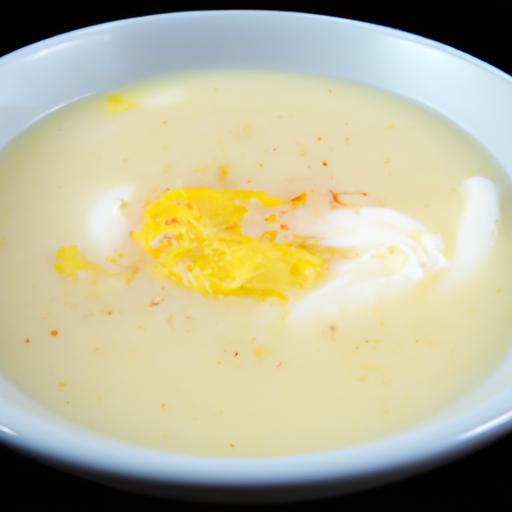

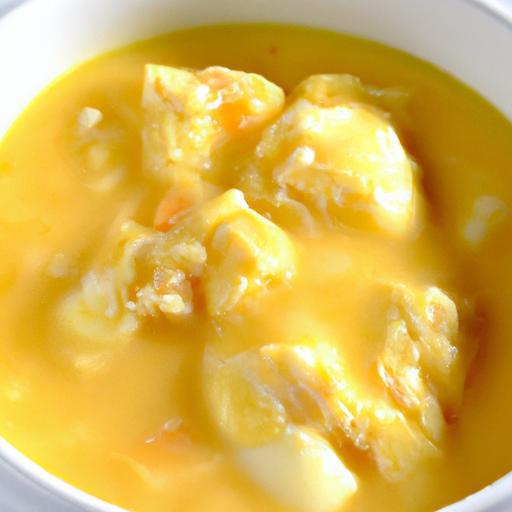
There’s something almost enchanting about a steaming bowl of classic egg drop soup-teh delicate ribbons of silky egg swirling gracefully in a warm, savory broth, creating a comforting dance of texture and flavor with every spoonful. But beyond its simple elegance lies a captivating interplay of science and culinary art that transforms humble ingredients into a magical experience. In this article, we’ll unravel the delightful science behind egg drop soup’s signature wisps, exploring how temperature, timing, and technique combine to turn mere eggs and broth into a silky, soothing masterpiece. Prepare to discover the secret choreography that turns your kitchen into a stage for culinary chemistry!
The chemistry of silken eggs floating in broth is a mesmerizing dance of texture and flavor, transforming simple ingredients into a comforting culinary classic. This elegant interplay between egg and soup creates delicate ribbons that seem to float effortlessly amidst the savory broth, inviting each spoonful to warm both heart and palate.
Prep and Cook Time
Preparation: 10 minutes | Cooking: 15 minutes | Total: 25 minutes
Yield
Serves 4 generously
Difficulty Level
Easy – perfect for beginners and home cooks alike
Ingredients
- 4 cups low-sodium chicken broth or vegetable broth
- 2 large eggs, gently beaten
- 1 tablespoon cornstarch mixed with 2 tablespoons cold water (slurry)
- 1 teaspoon grated fresh ginger
- 2 teaspoons soy sauce (adjust for saltiness)
- 1/2 teaspoon toasted sesame oil
- 2 green onions, thinly sliced, white and green parts separated
- Freshly ground white pepper, to taste
- Optional: 1/2 cup sweet corn kernels or shredded cooked chicken
Instructions
- Bring the Broth to a Simmer: In a medium saucepan, combine the broth, grated ginger, and soy sauce. Bring to a gentle simmer over medium heat, stirring occasionally to meld flavors.
- thicken the Broth: Stir the cornstarch slurry once more, then slowly pour it into the simmering broth. Continue stirring for 1-2 minutes until the soup slightly thickens to a silky consistency that will support the egg ribbons.
- Prepare the Eggs: Slowly drizzle the beaten eggs into the simmering broth in a thin stream, stirring gently with a fork or chopsticks in one direction to create delicate silken ribbons that float gracefully throughout the soup.
- Add Sesame Oil and Green Onion Whites: Stir in the toasted sesame oil and the white parts of the green onions for a fresh aromatic lift.
- Season and finish: Taste and adjust seasoning with white pepper and additional soy sauce if desired. Remove from heat and let the soup rest for 1 minute to meld flavors.
- Serve: Ladle the warm egg drop soup into bowls and garnish with the green parts of the sliced green onions.
Tips for Success
- Egg Technique: Beat your eggs thoroughly to ensure uniform ribbons. Drizzling slowly over simmering broth is key-too fast and the eggs clump; too slow and you lose that beautiful floating texture.
- broth Selection: Opt for homemade or high-quality store-bought broth; the richer the base, the more harmonious and satisfying your soup will be.
- Thickening Consistency: the cornstarch slurry isn’t just for thickness-it supports the egg ribbons so they don’t disperse, yielding that iconic silky texture.
- Flavor variations: Experiment with adding finely chopped mushrooms or a pinch of white pepper for subtle complexity, or swap sesame oil with chili oil for a spicy twist.
- Make-Ahead: Prepare the broth base in advance; gently warm it before adding eggs to speed up meal prep on busy days.
Serving Suggestions
Present this egg drop soup steaming hot in delicate bowls for an inviting experience.Garnish with freshly sliced green onions and a drizzle of sesame oil to enhance aroma.Pair with light steamed dumplings or crusty bread for a complete meal. For visual appeal, scatter a few bright corn kernels or sprinkle toasted sesame seeds on top.

| Nutrient | Per Serving |
|---|---|
| calories | 110 kcal |
| Protein | 8 g |
| Carbohydrates | 5 g |
| Fat | 6 g |
For more insights on crafting complementary broths, explore our ultimate Guide to homemade Chicken Broth. To deepen your understanding of egg chemistry in cooking,visit The Science of Cooking.
Q&A
Q&A: The Delightful Science Behind Classic Egg Drop Soup Magic
Q1: What makes egg drop soup so enchanting to watch and enjoy?
A1: The magic of egg drop soup lies in its graceful conversion-watching a silky ribbon of beaten egg slip into hot broth and instantly morph into delicate, wispy strands is like edible alchemy.This mesmerizing dance is a beautiful blend of heat, timing, and fluid dynamics, turning simple ingredients into an elegant culinary experience.
Q2: How does the egg create those signature wisps in the soup?
A2: When you slowly pour beaten eggs into simmering broth,the sudden temperature change causes the egg proteins to instantly coagulate. This fast solidification forms the thin, ribbon-like strands or soft curds that float and swirl in the soup, giving egg drop soup its characteristic texture and visual charm.
Q3: Why is the temperature of the broth so crucial in egg drop soup?
A3: The broth’s temperature is a delicate balance. If it’s too hot, the eggs cook instantly and can clump into unwanted lumps. If too cool, the eggs won’t set properly, resulting in a runny texture. The ideal temperature (around a gentle simmer) allows the eggs to form those tender,feather-light ribbons that define classic egg drop soup.
Q4: What role do the egg proteins play in the soup’s transformation?
A4: egg proteins are like tiny architects-they unfold and link together when heated, changing from a liquid to a firm, yet tender, structure. This process, called denaturation, is the scientific secret behind the soup’s luscious texture. A careful hand in adding eggs ensures these proteins create strands rather than clumps.
Q5: Can different egg types or preparation methods affect the final soup?
A5: Absolutely! Whole eggs, just yolks, or just whites each bring unique qualities. Yolks add richness and a creamier texture, while whites create lighter, more translucent strands. The way you beat the eggs-vigorously whipped or gently stirred-also influences the delicate patterns in the soup, allowing cooks to customize the visual and mouthfeel magic.
Q6: apart from eggs and broth, what other ingredients impact the soup’s scientific dance?
A6: Ingredients like cornstarch or arrowroot are often used to slightly thicken the broth, which slows the egg’s descent and promotes the formation of finer strands. Acidic additions like vinegar or white pepper can subtly alter protein behavior, offering a nuanced twist to the egg’s coagulation speed and texture.
Q7: Why does egg drop soup remain a timeless classic in culinary traditions?
A7: Beyond its comforting warmth and simple flavors, egg drop soup is a beautiful example of science meeting art. Its effortless elegance, quick transformation, and satisfying texture make it an enduring favorite worldwide-a humble dish that continuously delights both our eyes and taste buds through the everyday magic of cooking chemistry.
To Conclude
As the final wisps of silky egg ribbons swirl into your steaming bowl, it’s clear that egg drop soup is more than just a simple comfort dish-it’s a delicate dance of chemistry and culinary artistry. Behind its unassuming appearance lies a fascinating interplay of heat, protein, and timing that transforms humble ingredients into a velvety masterpiece. So next time you savor that gentle whirl of golden strands floating in broth, remember: you’re not just enjoying a soup-you’re experiencing a warm, edible experiment where science meets tradition in the most delightful way.