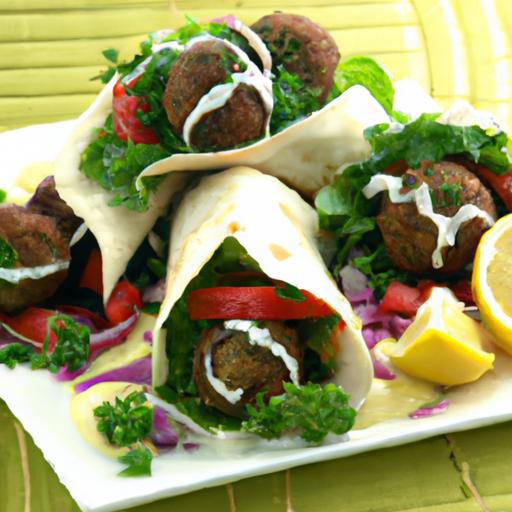

Nestled within the vibrant tapestry of Middle Eastern cuisine lies a humble yet irresistibly flavorful creation: the falafel wrap. This beloved dish, a symphony of crispy chickpea patties, fresh herbs, adn tangy sauces enveloped in soft pita bread, has captivated taste buds around the world. But beyond its widespread popularity is a rich history and an intricate blend of flavors waiting to be discovered. In this article, we unravel the story behind falafel wraps-exploring their origins, ingredients, and the culinary traditions that make them a timeless delight. Join us as we unwrap the layers of this savory masterpiece and uncover why falafel wraps continue to enchant food lovers everywhere.
Falafel wraps encapsulate the vibrant spirit of Middle Eastern street food,combining crisp,spiced chickpea patties with fresh vegetables,creamy sauces,and warm,soft flatbreads. This iconic dish owes its irresistible appeal not only to its rich history but also to the precise harmony of textures and flavors that transform simple ingredients into a culinary masterpiece. Originating in the Levant region, falafel became a beloved staple due to its affordability, portability, and satisfying taste-perfectly suited for sharing stories and savoring moments.
prep and Cook Time
- Preparation: 25 minutes
- Cooking: 15 minutes
- Total Time: 40 minutes
Yield
Serves 4 hearty falafel wraps
Difficulty Level
Medium – Requires some hands-on preparation but perfect for all skill levels
Ingredients
- For the falafel:
- 1 ½ cups dried chickpeas (soaked overnight, drained)
- ½ large onion, roughly chopped
- 3 cloves garlic
- ¼ cup fresh parsley leaves
- ¼ cup fresh cilantro leaves
- 1 tsp ground cumin
- 1 tsp ground coriander
- ½ tsp cayenne pepper (adjust to taste)
- ½ tsp baking powder
- 2 tbsp all-purpose flour
- Salt and freshly ground black pepper, to taste
- Vegetable oil for frying
- For the wraps:
- 4 large pita breads or flatbreads
- 1 cup shredded lettuce
- 1 medium tomato, thinly sliced
- ½ cup cucumber, diced
- ½ cup pickled turnips or pickles, sliced
- ¼ cup fresh mint leaves
- ¼ cup tahini sauce
- ¼ cup plain Greek yogurt (optional)
Step-by-Step Instructions
- Prepare the falafel mixture: In a food processor, combine the drained chickpeas, onion, garlic, parsley, cilantro, cumin, coriander, cayenne, baking powder, and flour.Pulse until you achieve a coarse, grainy texture-avoid over-processing into a paste. Season generously with salt and pepper.
- Chill the mixture: Transfer the falafel mix to a bowl and refrigerate for at least 30 minutes. This step helps the mixture bind and enhances the texture for perfect cracking crusts.
- Shape the falafel balls: Using your hands or a falafel scoop, form the mixture into uniform 1 ½-inch patties or balls, gently pressing to bind without compacting too much.
- Heat the oil: Fill a deep skillet with about 2 inches of vegetable oil and heat to 350°F (175°C). Use a thermometer for best results to maintain consistent temperature.
- Fry the falafel: Fry the patties in batches, avoiding overcrowding; cook for about 3-4 minutes per side or until they turn deep golden brown and crisp. Use a slotted spoon to transfer them to a baking sheet lined with paper towels to drain excess oil.
- Warm the flatbread: Briefly heat the pita or flatbreads on a dry skillet or in the oven wrapped in foil to become pliable.
- Build your falafel wrap: spread tahini sauce evenly on each wrap, layer with shredded lettuce, tomato slices, cucumber, pickled turnips, falafel balls, mint leaves, and a drizzle of Greek yogurt if desired. roll tightly to enclose all ingredients.
- Serve instantly: Enjoy while the falafel remains crisp and the wrap warm, bursting with fresh, aromatic aromas.
Tips for Crafting the Perfect Falafel Wrap
- Texture matters: Using dried chickpeas soaked (never canned) ensures a light, crunchy exterior and tender inside.
- Herbs and spices: Fresh parsley and cilantro brighten the flavor; don’t skip the cumin and coriander-they’re vital to authentic taste.
- Binding tips: Avoid adding too much flour-just enough to hold the mixture together without making it dense.
- Oil temperature: Too low and the falafel becomes greasy; too high and it burns. Aim for 350°F for flawless frying.
- Make-ahead: Form patties and freeze uncooked falafel for up to a month.Fry directly from frozen and add extra cooking time.
Serving Suggestions and Flavor Pairings
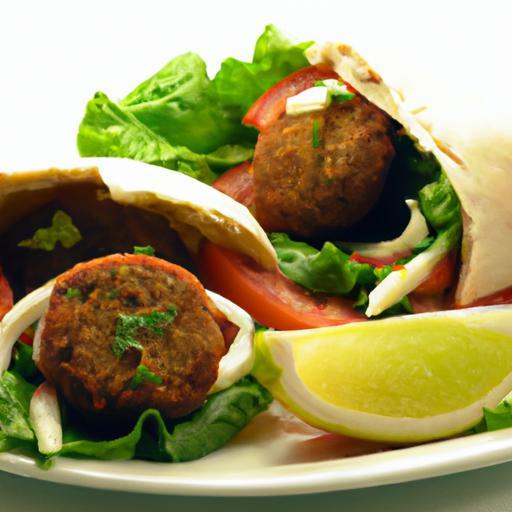
For a truly elevated falafel wrap experience, serve with a side of fattoush salad-a refreshing blend of crisp vegetables and sumac. Add a squeeze of lemon over your wrap for brightness and consider a dollop of harissa or spicy schug for heat.
Accompany your meal with a glass of traditional Ayran, a tangy yogurt drink that cools the palate. Garnish wraps with extra fresh herbs and a sprinkle of toasted sesame seeds to add textural contrast and visual appeal.
| Nutrient | Per serving |
|---|---|
| Calories | 420 kcal |
| Protein | 14 g |
| Carbohydrates | 45 g |
| Fat | 18 g |

For more inspiration on Middle Eastern flavors and easy vegetarian dishes,check out our Middle Eastern vegetarian recipes collection.
Q&A
Q&A: Falafel Wraps Unwrapped – A Flavorful Middle Eastern Delight
Q1: What exactly is a falafel wrap?
A1: Imagine crispy, golden-brown falafel balls-made from ground chickpeas and herbs-nestled inside a soft, warm flatbread. Add in fresh veggies, creamy tahini sauce, and a sprinkle of zesty pickles, and you’ve got a falafel wrap: a handheld feast bursting with vibrant Middle Eastern flavors.
Q2: Where did falafel wraps originate?
A2: Falafel’s roots trace back to the ancient Mediterranean,but most food historians credit Egypt as the birthplace of this beloved chickpea fritter. The wrap form evolved later, becoming a popular street food across the Middle East-from the bustling markets of Jerusalem to the lively streets of Beirut.
Q3: What makes falafel such an iconic Middle Eastern food?
A3: Falafel is more than just a tasty bite-it’s a culinary symbol of cultural heritage. Its deep-fried crunch, aromatic spices like cumin and coriander, and plant-based nature make it both satisfying and healthful. It’s a versatile dish that transcends dietary preferences, appealing to vegetarians and meat-lovers alike.
Q4: What are the key ingredients in a traditional falafel wrap?
A4: At the heart of every falafel wrap lies freshly fried falafel balls, typically made from soaked chickpeas, garlic, parsley, cumin, and coriander. They’re wrapped in pita or laffa bread, accompanied by crunchy cucumbers, ripe tomatoes, pickled turnips, crisp lettuce, and drizzled generously with tahini sauce-or sometimes a tangy amba or garlic sauce.Q5: How can someone make a homemade falafel wrap?
A5: Start by soaking chickpeas overnight, then pulse them with fresh herbs and spices until coarse but not pureed. Form into small balls and fry until golden. Warm your flatbread, layer on greens and pickles, add the hot falafel, and finish with tahini or yogurt sauce. The magic is in fresh ingredients and balancing textures!
Q6: Are falafel wraps healthy?
A6: Absolutely! Falafel wraps pack plant-based protein, fiber, and essential nutrients. While fried, the use of legumes and fresh vegetables balances it out. To lighten it even more, you can bake the falafel or use whole-grain flatbreads. Either way, it’s a flavorful way to nourish your body.
Q7: What variations of falafel wraps exist across the Middle East?
A7: Variations abound! Some regions top their wraps with amba-a pickled mango sauce-adding sweet and tangy notes.Others might swap pita for laffa bread, a softer, chewier wrap. In parts of Lebanon and Syria, adding fresh herbs like mint or sumac enhances aroma and taste, making each bite a unique cultural experience.
Q8: Why is the falafel wrap gaining popularity worldwide?
A8: As global palates embrace bold flavors and plant-based eating, the falafel wrap’s rise is no surprise. Its portability, satisfying crunch, and fusion of spices make it an appealing, nutritious option. From food trucks in New York to vegan cafes in London, falafel wraps offer a delicious glimpse into Middle Eastern culinary artistry.
Q9: Can falafel wraps be enjoyed by those with dietary restrictions?
A9: Definitely! falafel wraps are naturally vegetarian and typically vegan, but always check sauces for dairy. Gluten-free versions can be crafted using choice flatbreads or lettuce wraps. Their adaptable nature means they can fit into many dietary lifestyles without sacrificing flavor.
Q10: What’s the best way to enjoy a falafel wrap?
A10: Eat it fresh and warm, holding it carefully so that the falafel crunch and sauce meld perfectly without dripping. Pair with pickles or a light salad to brighten the palate. Whether on a bustling street corner or your own kitchen table, a falafel wrap is best savored with eager taste buds and a sense of adventure!
Unlock the magic of Middle Eastern cuisine-one falafel wrap at a time!
In Retrospect
As the aromatic spices settle and the last bite of that warm, crispy falafel lingers on your palate, it’s clear that falafel wraps are much more than just a meal-they’re a vibrant celebration of Middle Eastern culture and culinary artistry. From their humble origins as street food to their place on global menus, falafel wraps invite us to savor flavors that connect history, tradition, and innovation in every bite. Whether enjoyed on a bustling city street or crafted lovingly at home, these wraps remind us that food is a journey-one that unwraps stories, tastes, and a shared human experience that transcends borders. So next time you crave somthing both comforting and captivating, let a falafel wrap be your flavorful guide.