

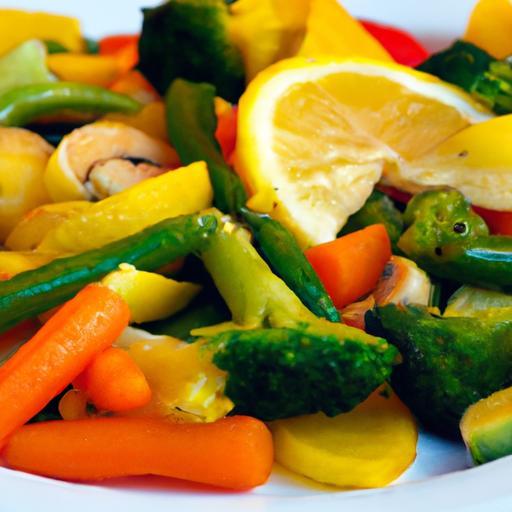
There’s something magical about the simple steam rising from a pot of fresh vegetables-tender, vibrant, and full of natural goodness. Yet, while steamed veggies are celebrated for their health benefits and ease, they can sometimes lack a certain spark on the palate.Enter lemon juice: a shining, zesty elixir that transforms humble steamed vegetables into a culinary delight. in this article, we’ll explore how a splash of fresh lemon juice can elevate your greens, bringing a lively burst of flavor that awakens your senses and brightens every meal. Get ready to discover the secret ingredient that makes steamed vegetables anything but ordinary.
The Art of Perfectly Steaming Vegetables for Maximum Flavor
Zesty steamed vegetables showcase the vibrant crunch and natural sweetness of fresh produce, elevated effortlessly by the bright zing of lemon juice. Steaming is a time-honored culinary technique that preserves nutrients, color, and texture, making your veggies sing with freshness instead of shrouding them in heaviness. As a culinary content creator and food stylist, I’ve found that mastering the steaming process unlocks a world of subtle flavor nuances, where each bite bursts with garden-fresh clarity and lively citrus notes.
Steaming vegetables keeps them tender yet crisp, enhancing their original flavors rather than overshadowing them. Adding freshly squeezed lemon juice after steaming introduces a fresh acidity that perfectly balances the earthiness of vegetables like broccoli, asparagus, and green beans. This method is as simple as it is indeed transformative and works beautifully whether you’re preparing a weeknight side or a colorful vegetable platter for entertaining.
Prep and Cook Time
- Planning: 10 minutes
- Cooking (Steaming): 7-10 minutes depending on vegetable type
- Total Time: 20 minutes
Yield
Serves 4 as a side dish
Difficulty Level
Easy – ideal for cooks at all skill levels
Ingredients
- 2 cups broccoli florets, trimmed and rinsed
- 1 cup baby carrots, peeled
- 1 cup green beans, ends trimmed
- 1 medium zucchini, sliced into ½-inch rounds
- Juice of 1 large lemon (about 3 tablespoons), freshly squeezed
- 2 tablespoons extra virgin olive oil
- 1 teaspoon sea salt, or to taste
- ½ teaspoon freshly ground black pepper
- 1 clove garlic, minced (optional)
- Fresh herbs (parsley, dill, or thyme) for garnish
Instructions
- Prepare Your Steaming Setup: Fill a medium pot with about 2 inches of water and bring it to a gentle boil. place a steamer basket inside the pot without letting the water touch the bottom of the basket.
- Prep Vegetables: While waiting for the water to boil, rinse and cut the vegetables uniformly to ensure even cooking. Uniform size keeps texture consistent across the board.
- Steam Vegetables: Arrange the broccoli florets, baby carrots, and green beans in the steamer basket. Cover with a tight-fitting lid and steam for 7-8 minutes,or until vegetables are tender yet crisp. Add zucchini slices in the last 2 minutes to avoid over-softening.
- Remove and Season: Carefully remove the steamer basket and transfer the vegetables to a warm serving bowl. Drizzle with the olive oil and lemon juice immediately while the veggies are hot, letting the citrus infuse their surfaces.
- Add Flavor boosters: sprinkle the minced garlic, sea salt, and pepper evenly on top. Toss gently to coat all pieces. Fresh herbs can be finely chopped and sprinkled last to preserve their vibrant flavors and colors.
- Final Touch: Adjust seasoning if needed. Serve immediately for best texture and bursting lemon freshness.
Tips for Success
- Choose fresh, high-quality vegetables for the most lively vegetable flavors that pair perfectly with the brightness of lemon.
- Do not oversteam. The vegetables should remain crisp-tender to retain their natural sweetness and nutrients.
- Use freshly squeezed lemon juice. Bottled lemon juice lacks brightness and will dull the flavor.
- Experiment with lemon zest. Add a pinch of finely grated lemon zest for an added aromatic punch without extra acidity.
- For a garlicky twist, briefly sauté the minced garlic in olive oil before drizzling it over the steamed vegetables to mellow the bite.
- Make ahead tip: Steam vegetables in advance and store them airtight in the refrigerator. add lemon juice and season just before serving to keep veggies fresh and crisp.
Creative Pairings and Seasoning Tips to Complement Zesty Steamed Vegetables
The tang of lemon juice intertwined with steamed vegetables invites a bounty of seasoning possibilities. For a Mediterranean flair,sprinkle crumbled feta cheese and toasted pine nuts over the top. Asian-inspired pairings benefit from a drizzle of toasted sesame oil and a sprinkle of toasted sesame seeds, complemented by thinly sliced scallions.
Herbs such as fresh dill, parsley, or basil weave complexity without overpowering the natural vegetable flavors. Smoked paprika or a dash of chili flakes can add warmth, balancing lemon’s brightness. For a hint of sweetness, consider a light drizzle of honey or maple syrup alongside the lemon juice-striking a stunning sweet and tart balance.
Nutritional Benefits of Adding Citrus to Your Steamed Vegetable Dishes
Addition of lemon juice to steamed vegetables does more than just brighten flavors; it amplifies nutritional value. Lemon is an excellent source of vitamin C, a powerful antioxidant that supports immune function and enhances iron absorption from plant-based foods.The acidity in lemon juice can also aid digestion and improve mineral uptake, making your vegetable dish both flavorful and healthful.
| Nutrient | Per Serving | Benefit |
|---|---|---|
| Vitamin C | 35 mg | boosts immunity and antioxidant protection |
| Dietary Fiber | 4 g | supports digestion and gut health |
| Iron | 1.8 mg | Aids in oxygen transport and energy production |
| Vitamin A | 1250 IU | Promotes eye health and immune support |
For further inspiration, check out our Healthy Citrus Recipes Collection to continue brightening your meals with zesty flair. For extensive nutrition details on lemon and vegetables, visit the Nutrition.gov fruits and vegetables page.

Q&A
Q&A: Zesty Steamed Vegetables: Brighten Your meal with Lemon Juice
Q1: Why should I add lemon juice to steamed vegetables?
A1: Lemon juice is a natural flavor enhancer that instantly brightens the taste of steamed vegetables. It’s tangy acidity cuts through the earthiness of greens, making every bite more vibrant and refreshing. Plus, it boosts the dish’s aroma and adds a pop of color with a subtle citrus zing.
Q2: Which vegetables pair best with lemon juice after steaming?
A2: Almost any steamed vegetable benefits from a splash of lemon! Classics include broccoli, asparagus, green beans, carrots, and cauliflower. Even sweeter veggies like beets or tender artichokes gain a lively lift,creating a balanced harmony between natural sweetness and zesty tartness.
Q3: How much lemon juice should I use on my steamed veggies?
A3: Start with about one teaspoon of fresh lemon juice per serving and adjust to taste. Remember, a little acidity goes a long way-too much can overpower the delicate vegetable flavors. For a subtle brightness, lightly drizzle and toss; for a punchier zest, add a bit more before serving.
Q4: Can lemon juice help retain the nutrients in steamed vegetables?
A4: While lemon juice won’t preserve nutrients during steaming, it does help maximize health benefits in other ways. The vitamin C in lemon juice complements the vegetable nutrients and can enhance iron absorption from certain greens. Plus, it encourages using less salt without losing flavor, supporting a heart-healthy diet.
Q5: Are there creative ways to combine lemon juice with other ingredients for steamed vegetables?
A5: Absolutely! Try mixing lemon juice with olive oil, minced garlic, fresh herbs like parsley or dill, and a pinch of cracked black pepper for a simple, flavorful dressing. toasted nuts or seeds sprinkled on top pair beautifully with the citrus notes, adding a crunchy contrast that turns a humble side into a gourmet treat.
Q6: Is fresh lemon juice better than bottled lemon juice for this recipe?
A6: Freshly squeezed lemon juice is always preferred-it offers a brighter, fresher flavor and a more vibrant aroma. Bottled lemon juice frequently enough contains preservatives and can taste flat or slightly bitter, which might dull the delightful zing you want to highlight in your steamed vegetables.
Q7: Can I add lemon juice before steaming, or is it better after?
A7: It’s best to add lemon juice after steaming. Heat can diminish the fresh citrus flavor and make it taste muted or bitter. adding it just before serving preserves the lively brightness and aroma that make lemon juice such a wonderful finishing touch.
Q8: How does lemon juice compare to other acidic ingredients like vinegar for steamed vegetables?
A8: lemon juice offers a fresher, more uplifting acidity with floral and citrusy notes, while vinegar tends to be sharper and sometimes harsher on the palate.For steaming vegetables, lemon’s gentle tang complements the natural flavors without overwhelming them, making it a preferred choice for a zesty, clean finish.
To conclude
Incorporating zesty steamed vegetables into your meals is more than just a culinary upgrade-it’s a vibrant celebration of freshness and simplicity. With a splash of lemon juice, each bite bursts with bright, invigorating flavor that awakens the senses and elevates nutrition. So next time you steam your greens, remember that a little citrus magic can transform humble veggies into a dazzling side dish that delights both palate and plate. Embrace the zest, and let your meals shine with the sunny sparkle of lemon.