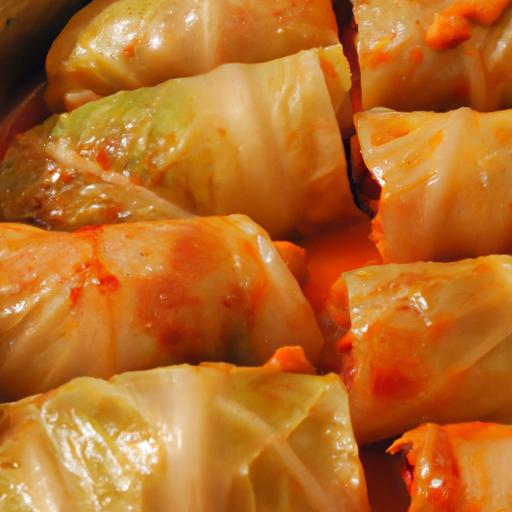

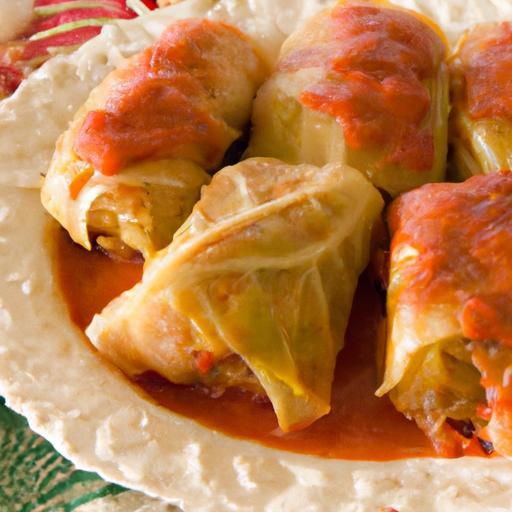
Nestled in the heart of Polish culinary tradition lies a dish that embodies warmth, comfort, and history: the classic stuffed cabbage roll. Known locally as gołąbki,these tender cabbage leaves wrapped around savory fillings have been a beloved staple on family tables for generations. More than just a meal, they tell a story of resourcefulness, festivity, and the rich tapestry of Polish heritage. In this hearty recipe guide, we’ll explore the art of crafting perfect stuffed cabbage rolls-from selecting the freshest ingredients to mastering the delicate balance of flavors-inviting you to bring a taste of Poland’s soul into your kitchen.
Classic Polish Stuffed Cabbage Rolls are a beloved dish steeped in history and tradition, offering a hearty embrace of flavors that evoke warm family gatherings across Poland. This iconic comfort food-known locally as “Gołąbki”-reflects the skillful blending of simple ingredients like cabbage leaves wrapped around a savory filling of meat, rice, and aromatic herbs. Originating from rural Eastern European kitchens, it tells stories of resourcefulness, celebration, and timeless culinary heritage, making each bite a journey into Poland’s rich cultural tapestry.
Prep and Cook Time
- Preparation: 45 minutes
- Cooking: 1 hour 30 minutes
- Total Time: 2 hours 15 minutes
Yield
Serves 6 hearty portions
Difficulty Level
Medium – ideal for confident home cooks seeking rewarding results
Ingredients
- 1 large head green cabbage (whole, core removed)
- 1 lb ground beef (lean)
- 1 cup cooked long-grain rice
- 1 medium onion, finely chopped
- 2 cloves garlic, minced
- 1 large egg
- 1 cup tomato sauce (preferably homemade or low sodium)
- 1/2 cup vegetable broth
- 2 tablespoons olive oil
- 1 teaspoon dried marjoram
- Salt and freshly ground black pepper, to taste
- Fresh parsley, chopped (for garnish)
Step-by-Step Preparation Techniques for Tender and Flavorful Rolls
- Prepare the cabbage leaves: Core the cabbage and bring a large pot of salted water to a boil. Carefully immerse the whole head, gently loosening individual leaves as they soften. Boil for about 5-7 minutes until pliable. Remove leaves with tongs and set aside to cool on kitchen towels. Reserve tougher core pieces for shredding in the sauce if desired.
- Make the filling: In a skillet, heat 1 tablespoon olive oil over medium heat. Sauté the finely chopped onion until translucent, about 5 minutes. Add minced garlic, cooking for another minute until fragrant. Remove from heat and let cool slightly.
- Combine ingredients: In a large bowl, mix the ground beef, cooked rice, sautéed onions and garlic, egg, dried marjoram, salt, and pepper.Use your hands or a fork to combine just until evenly distributed,avoiding overmixing for tender rolls.
- Assemble the rolls: Lay a cabbage leaf flat, trimming the thick stem end if necesary to prevent tearing. Place roughly 2 tablespoons of filling near the base of the leaf.Fold sides over the filling and roll tightly upward, like a burrito. Repeat until all filling is used.
- Prepare the baking dish: Preheat oven to 350°F (175°C). Lightly oil a deep baking dish. Spread a thin layer of tomato sauce on the bottom to prevent sticking. Arrange cabbage rolls seam-side down in snug rows.
- Add finishing touches: Pour remaining tomato sauce mixed with vegetable broth evenly over the rolls, ensuring moisture throughout. Cover tightly with aluminum foil.
- Bake to perfection: Place the dish in the oven and bake for about 1 hour 15 minutes. Check tenderness by piercing a roll with a fork-it should be soft but intact.Remove foil last 10 minutes to let sauce thicken slightly.
Tips for Success
- Choose a tender cabbage: Look for fresh,light-green cabbage with tightly packed leaves for easy rolling and best texture.
- Cook rice al dente: slightly undercooked rice keeps the filling from becoming mushy after baking.
- Don’t overpack rolls: Overstuffing can cause the cabbage to tear or the filling to spill during cooking.
- Make ahead: Cabbage rolls can be assembled a day in advance and baked just before serving, allowing flavors to meld beautifully.
- Vegetarian option: Substitute ground beef with cooked lentils or chopped mushrooms for a delicious plant-based twist.
Serving Suggestions and Pairings to Elevate Your Hearty Meal
Serve your Polish stuffed cabbage rolls hot, spooning extra tomato sauce over the top for vibrant color and moisture. A dollop of sour cream adds creamy tang, beautifully balancing the rich savoriness of the filling. For customary sides,consider creamy mashed potatoes or buttered egg noodles,alongside braised carrots or pickled cucumbers to add refreshing crunch.
A garnish of freshly chopped parsley or dill unleashes radiant herbal notes perfect for cutting through the heartiness. Pair this meal with a crisp non-alcoholic apple cider or a lightly brewed herbal tea to complete your comforting Polish feast.

| Nutrient | Per Serving |
|---|---|
| Calories | 380 kcal |
| Protein | 28 g |
| Carbohydrates | 30 g |
| Fat | 15 g |
For further inspiration on Eastern European classics, check out our Polish Borscht Recipe.To deepen your understanding of cabbage’s culinary role worldwide, visit the Encyclopedia Britannica’s cabbage entry.
Q&A
Classic Polish Stuffed Cabbage Rolls: A Hearty Recipe Guide – Q&A
Q1: What exactly are Polish stuffed cabbage rolls?
A1: Polish stuffed cabbage rolls, or gołąbki (pronounced “GWAH-wm-kee”), are a beloved traditional dish consisting of tender cabbage leaves wrapped around a savory filling, typically made from ground beef and rice. These rolls are then baked in a rich tomato sauce, creating a comforting, hearty meal that’s perfect for gatherings or a cozy family dinner.
Q2: How do you choose the right cabbage for making stuffed rolls?
A2: For the best results, choose a firm, fresh green cabbage with tightly packed leaves. Savoy cabbage can work too for a slightly softer texture. The key is to select a head large enough to yield broad, flexible leaves that won’t tear during rolling.
Q3: What is the secret to making cabbage leaves pliable enough to roll easily?
A3: Blanching the cabbage leaves in boiling water for about 2-3 minutes softens them, making them flexible without losing their structure. Immediately plunging the leaves into cold water afterward helps stop the cooking process and keeps them vibrant.
Q4: Can the filling be made without rice?
A4: Absolutely! While rice is a traditional filler that adds texture and bulk, some prefer to use quinoa, barley, or even keep it rice-free using just finely chopped vegetables and minced beef. The key is to maintain a filling that binds well and complements the cabbage’s mild flavor.
Q5: Which herbs and spices bring out the authentic taste of Polish stuffed cabbage?
A5: Classic herbs such as marjoram, thyme, and bay leaves enhance the filling’s aroma. Ground black pepper, a touch of garlic, and a pinch of nutmeg add depth and warmth. Fresh parsley sprinkled on top before serving brightens the dish beautifully.
Q6: How is the tomato sauce prepared, and what role does it play?
A6: The tomato sauce is a luscious blend of crushed tomatoes, sautéed onions, garlic, and a whisper of sweetness from a dash of sugar or grated carrot. This sauce bathes the cabbage rolls during baking, infusing them with tangy richness and keeping them moist and tender.
Q7: What are some common variations of gołąbki?
A7: Variations abound across Polish households! Some swap ground beef for ground turkey or veal. Others incorporate mushrooms or lentils for a vegetarian twist. Occasionally, the dish is topped with a dollop of sour cream or baked with a layer of sauerkraut nearby for added zest.
Q8: How do you serve Polish stuffed cabbage rolls for an authentic experience?
A8: Traditionally, they’re served hot and garnished with fresh dill or parsley. Accompany the rolls with mashed potatoes or buttered noodles to soak up every drop of the savory tomato sauce. A side of pickled cucumbers or beet salad provides a crisp, refreshing balance.
Q9: Can Polish stuffed cabbage rolls be made ahead and frozen?
A9: Definitely. After assembling the rolls, place them in an airtight container and freeze before baking. When ready, simply thaw and bake as usual. They reheat wonderfully, making them perfect for meal prep or busy weeknights.
Q10: What makes stuffed cabbage rolls a timeless favorite in Polish cuisine?
A10: It’s their combination of simple, wholesome ingredients wrapped in tender cabbage leaves, slow-cooked to tender perfection-a meal that warms both the stomach and the soul. They’re hearty, comforting, and carry the rich culinary heritage of Poland in every bite.
To Wrap It Up
Whether you’re a seasoned cook or a curious foodie eager to explore traditional flavors, classic Polish stuffed cabbage rolls offer more than just a meal-they serve up a rich tapestry of history, comfort, and culture wrapped in tender cabbage leaves. as you master this hearty recipe,you’re not just creating food; you’re continuing a timeless tradition that has warmed countless tables and hearts. so gather your ingredients, embrace the cozy process, and let each bite transport you to the heart of Poland’s culinary heritage. Smacznego!