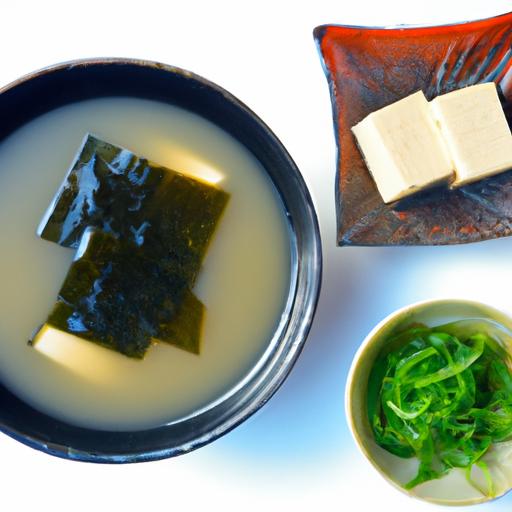

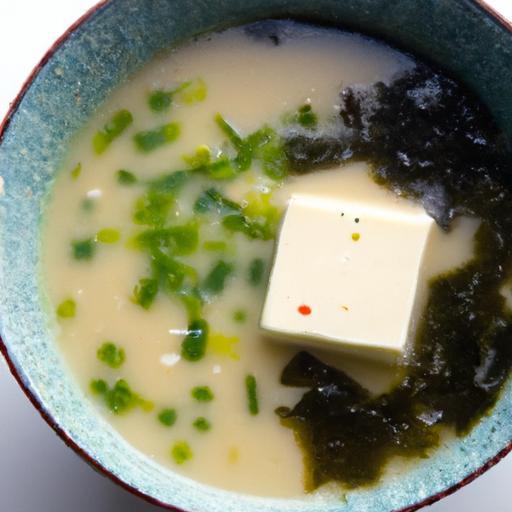
in the realm of culinary wonders, few flavors evoke as much comfort and depth as umami-the savory taste that lingers on the palate, inviting you to savor each spoonful. At the heart of this rich experience lies miso soup, a centuries-old Japanese staple that transcends simplicity with its harmonious blend of fermented miso paste, silky tofu, and tender seaweed. “Umami Delight: Crafting Miso soup with Tofu and Seaweed” unveils the art and science behind this iconic dish, guiding you through the layers of flavour and tradition that transform humble ingredients into a soul-nourishing elixir. Whether you’re a seasoned chef or a curious food lover,prepare to immerse yourself in a bowl of warmth,wellness,and umami magic.
Umami Delight: Crafting Miso Soup with Tofu and Seaweed celebrates the harmonious flavors that define authentic Japanese cuisine. This simple yet profound soup combines the savory depth of carefully chosen miso paste, the delicate silkiness of tofu, and the nutrient-packed embrace of seaweed. rooted in tradition yet accessible for any home cook, this dish exemplifies the beauty of umami-the elusive fifth taste that awakens and satisfies like no other. Whether you’re enjoying a quiet morning or nourishing your body after a long day, this recipe invites you to explore the essence of umami with every spoonful.
Prep and Cook Time
- Preparation: 10 minutes
- Cooking: 15 minutes
- Total time: 25 minutes
Yield
Serves 4 comfortably
Difficulty Level
easy – perfect for both novice cooks and seasoned home chefs
Ingredients
- 4 cups dashi stock (homemade or high-quality instant)
- 3 tbsp white or yellow miso paste (adjust to taste)
- 150g silken tofu,cut into 1-inch cubes
- 2 tbsp dried wakame seaweed,soaked and drained
- 2 scallions,thinly sliced (for garnish)
- 1 tsp toasted sesame seeds (optional garnish)
Step-by-Step Guide to Balancing Flavors and Achieving Soup Harmony
- Prepare the dashi stock: If using instant dashi,dissolve the powder in 4 cups of warm water. For a richer umami profile,homemade kombu and shiitake dashi is recommended. Heat the stock gently in a medium saucepan over medium flame.
- Soak the wakame: While the stock warms, place the dried wakame in a bowl with cold water. Allow it to rehydrate for about 5 minutes until the seaweed expands and softens. drain well and set aside.
- Incorporate the miso paste: Transfer about ½ cup of the warm (not boiling) dashi to a small bowl. Whisk in the miso paste until fully dissolved. this step prevents clumping and preserves the delicate enzymes in the miso.
- Combine and heat: Pour the miso mixture back into the saucepan with the remaining stock. Keep the heat low-never boil after adding miso, or you risk losing flavor and beneficial probiotics.
- Add tofu and seaweed: Gently fold in the silken tofu cubes and rehydrated wakame. Simmer the soup for 2-3 minutes to warm through without breaking the tofu’s silky texture.
- final seasoning and garnish: Taste and adjust seasoning if necessary-add a touch more miso paste for extra depth or a splash of soy sauce for saltiness. Ladle into bowls and garnish with freshly sliced scallions and a sprinkle of toasted sesame seeds.
Tips for Success
- Selecting Miso Paste: Opt for authentic Japanese miso varieties – white miso (shiro) for a lighter, sweeter flavor and yellow miso (shinshu) for a slightly stronger umami punch. Avoid overheating to preserve delicate flavors.
- Tofu Texture: Silken tofu is ideal for its melt-in-the-mouth quality. Handle gently with a slotted spoon to keep cubes intact.
- Seaweed varieties: Wakame is conventional and nutrient-rich, but you can experiment with other types like arame or hijiki for varied textures and flavor nuances.
- Make-Ahead: Prepare dashi stock and miso mixture in advance. Assemble just before serving for maximum freshness and umami intensity.
- Flavor Enhancers: Add a small spoonful of freshly grated ginger or a few drops of yuzu juice for a refreshing citrus twist without overpowering the soup’s harmony.
Serving Suggestions
Present this umami-infused miso soup as a comforting starter or as a light meal alongside steamed rice and pickled vegetables for authenticity. Garnish with delicate herbs like mitsuba or shiso leaves to elevate the visual appeal and introduce fresh herbal notes. A side of crispy tempura or edamame enhances texture contrasts and builds a well-rounded dining experience.

| Nutrient | Per Serving |
|---|---|
| Calories | 85 kcal |
| Protein | 7 g |
| Carbohydrates | 6 g |
| Fat | 3 g |
For more inspiration on Japanese home cooking, explore our Japanese Homestyle Recipes collection, embracing simplicity and soul-satisfying flavors.
Q&A
Q&A: Umami Delight – Crafting Miso Soup with Tofu and Seaweed
Q1: What makes miso soup a quintessential umami experience?
A1: Miso soup is a symphony of umami, thanks to its fermentation-rich miso paste, which brims with glutamates – nature’s savory messengers.When combined with tender tofu and briny seaweed, each spoonful offers layers of depth, warmth, and that beloved comforting savoriness.
Q2: Why choose tofu and seaweed as key ingredients in miso soup?
A2: Tofu acts as a gentle canvas, soaking up the broth’s flavors while contributing a silky texture and subtle nuttiness. Seaweed, especially varieties like wakame, delivers a mineral-rich saltiness and a satisfying chew that echoes the ocean’s essence. Together, they balance the soup’s flavor and texture beautifully.
Q3: How do you prepare the dashi broth without using fish-based products?
A3: To keep things plant-based and pure, kombu (kelp) and dried shiitake mushrooms are your best dashi allies. Simmering these umami powerhouses together extracts a rich, savory foundation that’s perfect for miso soup, proving that deep flavor doesn’t need to come from the sea’s creatures alone.
Q4: When is the best time to add miso paste during cooking?
A4: Miso paste is delicate and should never be boiled, as high heat can dull its flavor and destroy beneficial enzymes. The ideal moment is after removing the broth from heat-gently whisk in the miso paste to preserve its vibrant taste and nutritional goodness.
Q5: Can I customize miso soup while keeping its authentic character?
A5: Absolutely! Adding finely sliced green onions, cubes of silken tofu, or small strips of wakame enhances both flavor and texture without straying from tradition. Experimenting with different types of miso-white, yellow, or red-can also subtly shift the soup’s profile from mellow to robust.
Q6: What’s a simple tip for achieving perfectly tender tofu in the soup?
A6: Use silken or soft tofu and add it gently toward the end of cooking. Allow it to warm through without stirring aggressively, so it retains its creamy consistency rather than breaking apart into the broth.
Q7: How can one make miso soup a nourishing everyday ritual?
A7: Start with a quality miso paste and fresh ingredients, prepare your dashi mindfully, and savor the process of layering flavors slowly. Miso soup’s combination of probiotics, minerals, and plant-based protein makes it a wholesome, comforting ritual that nurtures both body and soul.
Q8: Is there a trick to storing and reheating miso soup?
A8: Store miso soup separately from fresh seaweed and tofu if possible, adding them just before serving to keep textures vibrant. When reheating, avoid boiling; gentle warmth preserves the miso’s nuanced flavor and the tofu’s silkiness.
Q9: What role does seaweed play beyond flavor in miso soup?
A9: Seaweed contributes not only a savory punch but also vital nutrients such as iodine, calcium, and vitamins A and C. Its presence is a nod to the soup’s coastal origins and adds a touch of nature’s mineral bounty with every spoonful.
Q10: How is miso soup with tofu and seaweed a festivity of Japanese culinary ideology?
A10: This humble soup exemplifies “umami” and “washoku” principles-simplicity, seasonality, and balance. It honors natural ingredients and careful preparation, creating harmony between flavors and textures that soothe and satisfy, embodying both mindfulness and culinary artistry.
Future Outlook
As the warm,savory aroma of your homemade miso soup rises from the bowl,it’s clear that this humble dish is much more than a simple broth.With every spoonful,the umami-rich blend of miso,silky tofu,and tender seaweed creates a harmonious dance of flavors that comforts and nourishes. Crafting miso soup at home invites you to connect with a centuries-old tradition while customizing each ingredient to suit your palate. So next time you seek a cozy, healthful delight, remember that a bowl of miso soup is not just food-it’s an experience steeped in culture, simplicity, and the exquisite art of umami.