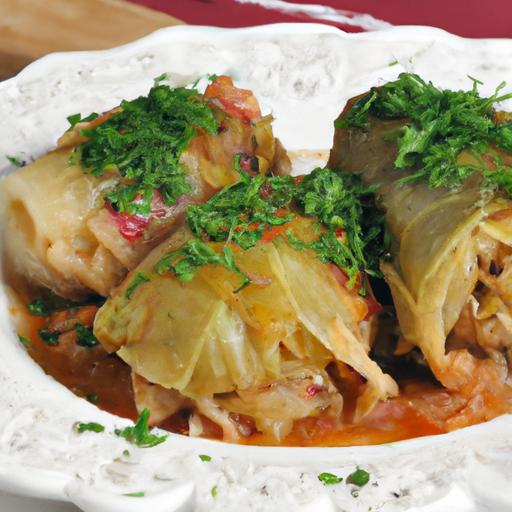

Few dishes evoke the warmth of family gatherings and the rich tapestry of heritage quite like Grandma’s golumpki. This timeless Polish stuffed cabbage delight,lovingly passed down through generations,is more than just a meal-it’s a vibrant story rolled into tender cabbage leaves,brimming with savory fillings and seasoned with tradition. In every bite of golumpki, you taste not only the harmony of flavors but also the heart of a culture that treasures home-cooked comfort food.Join us as we unwrap the history, the technique, and the enduring charm of this beloved Polish classic, celebrating a recipe that continues to bring families together around the dinner table.
the Rich History Behind Grandma’s Golumpki
Grandma’s Golumpki is more than just a traditional Polish stuffed cabbage dish; it’s a culinary heritage passed down through generations, embodying family warmth and the heartiness of Poland’s rustic kitchens. Originating from humble peasant roots, golumpki (pronounced goo-WOOM-kee) was created as a way to make simple ingredients stretch to feed large families, transforming everyday staples into a deeply satisfying meal. My grandmother’s version,lovingly crafted every holiday season,evokes vivid memories of cozy kitchens filled with the aroma of simmering tomato sauce enriched with a hint of garlic and herbs. Each tender cabbage leaf embraces a filling bursting with authentic flavor, coaxing smiles and full hearts around the dinner table.
Crafting the Perfect Filling for Authentic Flavor
At the heart of a truly memorable golumpki lies its filling-where fresh, wholesome ingredients come together in a delicate balance. The key to the perfect filling is using lean ground beef (or turkey for a lighter option), mixed with long-grain rice that absorbs moisture and enhances texture without overpowering the dish. A medley of finely chopped onions and fragrant garlic infuses the filling with savory depth, while subtle seasoning like fresh parsley, black pepper, and a touch of nutmeg provide warmth and complexity. This blend is moist yet firm enough to hold its shape,promising an impeccable bite with every roll.
Prep and Cook time
- Preparation: 45 minutes (includes blanching cabbage leaves)
- Cooking: 1 hour 15 minutes (simmering the stuffed cabbage)
- Total Time: Approximately 2 hours
Yield
Generously serves 6-8 people, perfect for festive family gatherings or cozy dinners.
Difficulty Level
Medium – Ideal for cook enthusiasts ready to master a classic dish with purposeful techniques.
Ingredients
- 1 large head of green cabbage, core removed
- 1 lb lean ground beef (can substitute ground turkey)
- ½ cup long-grain white rice, rinsed
- 1 medium onion, finely diced
- 3 cloves garlic, minced
- 1 large egg, lightly beaten
- ½ cup tomato sauce (plus extra for cooking)
- 1 tsp salt
- ½ tsp freshly ground black pepper
- ¼ tsp ground nutmeg
- 2 tbsp fresh parsley, chopped
- 2 tbsp olive oil (for sautéing)
- 2 cups vegetable broth
- Optional garnish: fresh dill or parsley sprigs
Instructions
- Prepare the cabbage leaves: Bring a large pot of salted water to a boil. Core the cabbage head without separating the leaves. Place it carefully in boiling water for about 5 minutes or until the outer leaves soften and peel away easily. Repeat until you have 12-15 pliable leaves. Pat dry.
- Cook the rice: In a small pot, cook the rice with 1 cup of water until just tender (about 15 minutes). Drain if necessary and let cool slightly.
- sauté aromatics: Heat olive oil in a skillet over medium heat. Add diced onion and minced garlic, sautéing until translucent and fragrant, about 5 minutes. Remove from heat and let cool slightly.
- Mix the filling: in a large bowl, combine ground beef, cooked rice, sautéed onions and garlic, beaten egg, ½ cup tomato sauce, salt, pepper, nutmeg, and fresh parsley. Mix gently but thoroughly until combined.
- Assemble the golumpki: Lay one cabbage leaf flat, trim thick vein if needed. Place 2-3 tablespoons of filling near the stem end. Fold the sides inward, then roll tightly from the stem end to seal the filling inside. Repeat with all leaves and filling.
- Layer the pot: Spread a few leftover or torn cabbage leaves at the bottom of a large pot to prevent sticking. Arrange the rolls seam side down, packing them snugly in layers.
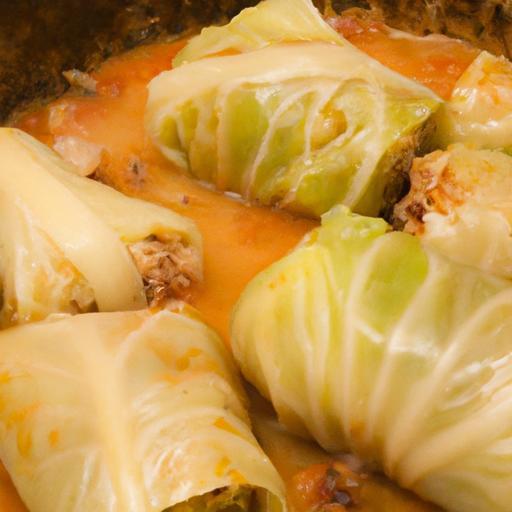
- Simmer: Pour vegetable broth and remaining tomato sauce evenly over the rolls. Cover with a heatproof plate to keep them submerged. Bring to a gentle simmer, cover the pot, and cook for 1 hour, checking occasionally to maintain gentle bubbles.
- Rest and serve: Remove the plate and cook uncovered for an additional 10 minutes to thicken the sauce if desired. Let the golumpki rest for 5 minutes before serving.
Tips for Success
- Blanch cabbage leaves carefully: Softening without overcooking is key for pliability and to avoid tearing when rolling.
- Rice texture: Partially cooking rice ensures the filling is tender, not crunchy, but don’t overcook as it will become mushy.
- Seal rolls tightly: This prevents filling from leaking into the sauce – a neat roll holds shape better during simmering.
- Make-ahead option: Assemble golumpki a day in advance, keep refrigerated, and simmer fresh just before serving for convenient preparation.
- Vegetarian adaptation: Substitute ground meat with cooked lentils or mushrooms for a plant-based delight that still honors the traditional flavor profile.
Serving Suggestions to Elevate Yoru Polish feast
Present this hearty dish with a side of buttery mashed potatoes or rustic rye bread to sop up the luscious tomato broth. Garnish golumpki with freshly chopped parsley or dill for a pop of verdant color and brightness. A dollop of smooth sour cream alongside adds creaminess that contrasts wonderfully with the tangy tomato sauce. for festive occasions, complement the plate with a crisp cucumber salad lightly dressed with dill and lemon juice for a fresh crunch that cuts through the richness.

Explore more classic Polish dishes like traditional pierogi to complete your culinary journey. For deeper culinary context on Polish heritage cuisine, visit Polish Food World.
| Nutrient | Per Serving |
|---|---|
| Calories | 320 kcal |
| Protein | 25 g |
| Carbohydrates | 22 g |
| Fat | 12 g |
Q&A
Q&A: Grandma’s Golumpki – Timeless Polish Stuffed Cabbage Delight
Q: what exactly are golumpki?
A: Golumpki (pronounced goo-WOOM-kee) are traditional Polish stuffed cabbage rolls. Tender cabbage leaves cradle a savory filling, typically a mix of ground beef and rice, all slowly simmered in a rich tomato sauce. They’re a beloved comfort food that warms hearts and fills bellies across generations.
Q: how did golumpki become such a cherished dish in Polish culture?
A: Golumpki embody family, tradition, and resourcefulness. Rooted in rural Poland where cabbage and grains thrived, the dish was a clever way to stretch simple ingredients into a hearty meal. Passed down from grandmothers who cooked with love, golumpki now symbolize togetherness and culinary heritage.
Q: What makes Grandma’s golumpki recipe so special?
A: Grandma’s golumpki aren’t just about ingredients; they’re a ritual. Her secret? Slow, gentle simmering that lets the cabbage soften to buttery perfection, melding flavors so deeply they seem to tell stories. Plus,a subtle touch of fragrant herbs and just the right balance of tangy tomato sauce make it unforgettable.
Q: are golumpki difficult to prepare at home?
A: While golumpki take time and patience-especially peeling cabbage leaves and rolling each little parcel-the process is wonderfully rewarding. The meditative nature of rolling each golumpki can turn cooking into a joyful family activity, connecting generations over a shared love of food.
Q: What ingredients are essential for authentic golumpki?
A: Classic golumpki call for a few simple staples: cabbage leaves,ground beef,cooked rice,onions,garlic,eggs to bind the filling,and a rich tomato sauce infused with herbs like marjoram or thyme.The magic lies in balancing these humble ingredients to create layers of flavor.
Q: Can golumpki be adapted for different dietary needs?
A: Absolutely! While ground beef is traditional, vegetable lovers can substitute with hearty mushrooms, lentils, or a medley of grains and finely chopped veggies for a satisfying vegetarian version. The key is maintaining a moist,flavorful filling and hearty tomato sauce to keep every bite delicious.
Q: How should golumpki be served to best enjoy their flavors?
A: Serve golumpki hot, bathed in luscious tomato sauce, perhaps with a dollop of creamy sour cream on the side. They pair beautifully with mashed potatoes, crusty bread, or simply alongside a crisp cucumber salad to balance the richness of the dish.
Q: What’s the best way to store and reheat leftover golumpki?
A: Leftovers transform beautifully overnight as flavors deepen. Store golumpki in an airtight container with their sauce in the refrigerator for up to 3 days. Reheat gently on the stovetop or oven, covered, allowing the warmth to revive their tender, melt-in-your-mouth texture.
Q: How can someone new to Polish cooking honor the tradition when making golumpki?
A: Embrace the spirit of patience and love. use fresh, quality ingredients, take your time rolling each cabbage leaf, and don’t rush the simmering. Invite family or friends to help in the preparation-it’s in these moments that the true essence of golumpki comes alive, just like Grandma intended.
Insights and Conclusions
As the final bite of Grandma’s Golumpki lingers on your palate, you’re not just savoring a meal-you’re partaking in a rich tapestry of Polish heritage, lovingly stitched together by generations of hands. This timeless stuffed cabbage delight is more than comfort food; it’s a delicious reminder that some recipes do more than fill the belly-they nourish the soul. Whether you’re gathering around the family table or cooking in your own kitchen, Grandma’s Golumpki invites you to slow down, celebrate tradition, and share in a culinary story that’s as warm and enduring as her embrace. So next time you unwrap those tender cabbage leaves stuffed with savory goodness,remember-you’re tasting history,love,and a slice of Poland’s heart.