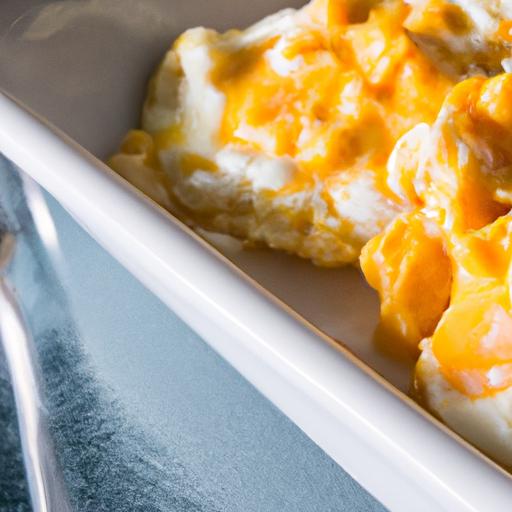


Beneath its humble shell lies a marvel of nature’s design: the egg. Ofen overlooked as a simple breakfast staple, the egg is, in reality, a compact powerhouse of protein, essential nutrients, and culinary versatility. In this exploration, we’ll crack open the science behind the egg’s nutritional prowess, revealing why it stands unparalleled as nature’s perfect protein source. From muscle-building benefits to brain-boosting compounds, the egg’s story is as rich and layered as its golden yolk-a testament to how something so small can pack a mighty punch for health and vitality.
Eggs in your diet offer a remarkable blend of nature’s most bioavailable proteins combined with essential nutrients that fuel your body’s vitality. Understanding the science behind egg protein quality reveals why these humble orbs have earned their reputation as the benchmark for complete protein,delivering all nine essential amino acids in optimal ratios for muscle repair,immune support,and overall wellness. In this section, discover how to optimize the health benefits of eggs and master cooking techniques that preserve their nutrient-rich profile and vibrant flavor, turning every meal into an energizing experience.
prep and Cook Time
- Planning: 10 minutes
- Cooking: 15 minutes
- Total Time: 25 minutes
yield
Serves 4 hungry individuals
Difficulty Level
Easy – Perfect for home cooks and egg enthusiasts alike
Ingredients
- 8 large fresh eggs, preferably organic or free-range
- 2 tablespoons extra-virgin olive oil
- 1 medium shallot, finely diced
- 1 red bell pepper, julienned
- 1 cup fresh baby spinach, washed and roughly chopped
- 1/2 teaspoon turmeric powder (for color and inflammation benefits)
- Sea salt and freshly cracked black pepper, to taste
- 2 tablespoons crumbled feta cheese (optional, for an added creamy texture)
- Fresh chives or parsley, finely chopped for garnish
Instructions
- Crack the eggs into a large bowl. Using a whisk, lightly beat them just until the whites and yolks are fully combined, preserving some air for fluffiness.
- Heat the olive oil in a non-stick skillet over medium heat. Add the shallot first and sauté until translucent and fragrant, about 2 minutes.
- Add the red bell pepper and cook for an additional 3 minutes, stirring occasionally until tender but still vibrant in color.
- Sprinkle in the turmeric powder. Stir to coat the vegetables evenly; this adds a warm golden hue and a subtle earthy note.
- Toss in the spinach and cook for a minute until wilted but still bright green-this step maximizes nutrient retention.
- Pour the beaten eggs over the veggies and gently stir for about 30 seconds, allowing the eggs to begin setting on the edges.
- Reduce the heat to low and let the eggs cook undisturbed for 5-7 minutes, or until the bottom is set but the top is still slightly runny.
- Sprinkle with sea salt, black pepper, and feta cheese, then fold half of the eggs over to create a soft, fluffy omelet.
- Slide the omelet onto a warm plate and garnish with fresh herbs for a burst of color and freshness.
Tips for Success
- For an even more robust protein boost, try adding a tablespoon of nutritional yeast right before finishing the eggs; it adds umami and B vitamins.
- Use a non-stick skillet or well-seasoned cast iron to prevent sticking, ensuring a gentle flip or fold.
- To maximize nutrient retention, avoid high heat which can degrade delicate vitamins in eggs and vegetables.
- Make this dish ahead by preparing the veggies in advance; simply add the fresh eggs when ready to cook for a fast, nutritious breakfast or dinner.
- Substitute feta with crumbled goat cheese or omit for a dairy-free variation without compromising creaminess.
Serving Suggestions
This vibrant egg dish pairs beautifully with toasted whole-grain bread sprinkled lightly with olive oil and sea salt.Add a side of fresh tomato slices or a crisp mixed greens salad dressed with lemon vinaigrette to introduce fresh acidity and enhance digestion.
For an elegant presentation, serve on rustic ceramic plates and sprinkle edible flowers or microgreens atop your omelet to celebrate its natural beauty. A light drizzle of chili oil or a spoonful of homemade avocado salsa also complements the creamy texture and boosts healthy fats.
| Nutrient | Per Serving |
|---|---|
| Calories | 220 kcal |
| Protein | 18 g |
| Carbohydrates | 5 g |
| Fat | 14 g |

For more tips on incorporating eggs in your diet to maximize health benefits, explore our detailed guides. Curious about the science behind proteins? The National Institutes of Health offers excellent research on egg protein quality and bioavailability.
Q&A
Q&A: The Egg Uncovered: Nature’s perfect Protein Powerhouse
Q1: What makes the egg such a remarkable source of protein?
A1: Eggs are often called nature’s perfect protein because they contain all nine essential amino acids in the ideal ratio our bodies need. This complete protein package means eggs provide every building block necessary for muscle repair, immune function, and overall cellular health.
Q2: How does the protein content in an egg compare to other common protein sources?
A2: A single large egg boasts about 6 to 7 grams of high-quality protein, packed into just around 70 calories. Unlike many plant-based proteins which may lack certain amino acids,eggs deliver a balanced protein boost that’s not only efficient but also easily digested and absorbed by the body.
Q3: Beyond protein, what other nutrients make eggs a nutritional superstar?
A3: Eggs are treasure troves of vitamins and minerals – from vitamin B12, essential for nerve function, to choline, crucial for brain health. They also provide vitamin D, necessary for bone strength, and antioxidants like lutein and zeaxanthin, which support eye health. All packed neatly within one edible shell!
Q4: Can eating eggs support weight management or muscle building?
A4: Absolutely! The protein in eggs promotes satiety, helping curb hunger and prevent overeating. For those looking to build muscle, eggs supply the essential amino acids for muscle synthesis. Plus, their nutrient density means more nourishment per calorie-making them a win-win for fitness and weight goals.
Q5: Is there a difference in protein quality between the egg white and yolk?
A5: Yes, but together they form a perfect team. The egg white contains pure protein without fat, while the yolk houses additional vital nutrients like healthy fats, vitamins, and minerals. Eating the whole egg ensures you get the complete spectrum of benefits nature intended.
Q6: Are eggs suitable for all dietary preferences and lifestyles?
A6: Eggs are incredibly versatile and fit into many diets-whether you’re a fitness enthusiast, a busy professional needing quick nutrition, or someone following low-carb and ketogenic plans. However, as with any food, consuming them in balance with other nutrient-rich foods is key.
Q7: How does cooking affect the protein quality of eggs?
A7: Cooking eggs actually enhances protein digestibility by unfolding protein structures, making them easier for enzymes to break down. Though overcooking can reduce some delicate nutrients, methods like boiling, poaching, or gentle scrambling preserve much of their nutritional goodness.
Q8: Can eggs be considered an environmentally friendly protein choice?
A8: Compared to many animal proteins, eggs generally have a smaller carbon footprint and require less land and water to produce. They offer a sustainable and highly efficient way to meet protein needs while supporting environmental duty.
Q9: What’s a creative way to incorporate eggs into everyday meals to maximize their protein power?
A9: Think beyond the breakfast table! Whip up vibrant egg salads with fresh herbs and vegetables, blend eggs into nutritious savory muffins, or toss them into grain bowls for an instant protein upgrade. Their culinary versatility makes them a perfect partner for any meal or snack.
Q10: Are there myths or misconceptions about egg protein worth debunking?
A10: One common myth is that eggs raise cholesterol dramatically; however, research shows moderate egg consumption does not considerably impact heart health in most people. Another misconception is that plant proteins can easily replace the nutritional benefits of eggs-while plants are valuable,eggs provide a uniquely complete amino acid profile that’s challenging to match in a single food.
eggs are truly nature’s perfect little protein powerhouses-packed with essential nutrients, endlessly versatile, and easy to enjoy every day. Crack one open and uncover the powerhouse within!
To Wrap It Up
As we crack open the science and stories behind this humble orb, it becomes clear that the egg is far more than breakfast fuel-it is indeed nature’s meticulously crafted protein powerhouse. from its perfect amino acid balance to its versatile culinary presence, the egg stands unmatched in its nutritional brilliance. So next time you savor that golden yolk or fluffy white, remember you’re enjoying a masterpiece of biology and nourishment, proving that sometimes, the simplest gifts from nature truly are the most extraordinary.