
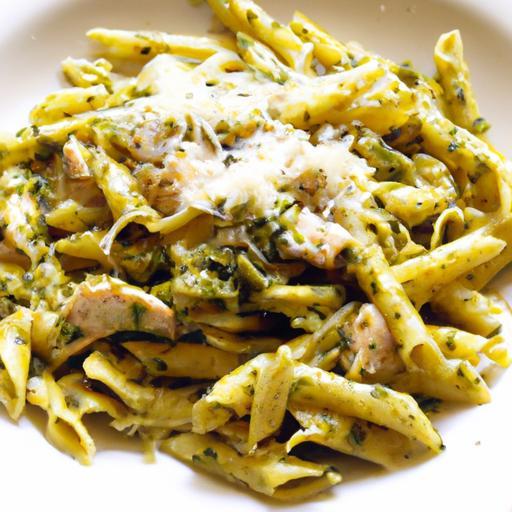
There’s something undeniably comforting about a hearty plate of pasta-each twirl promising a burst of flavor and satisfaction. Now, imagine elevating this classic wiht tender, juicy chicken and a vibrant homemade pesto sauce that dances on your taste buds. In this guide, we’ll take you step-by-step through crafting a flavorful pasta dish that combines the rich, aromatic notes of fresh basil pesto with succulent chicken, creating a perfect harmony of textures and tastes. Whether you’re a kitchen novice or a seasoned cook, get ready to transform simple ingredients into a culinary masterpiece that’s as nourishing as it is delicious.
Flavorful Pasta with Chicken and Homemade pesto Sauce Guide
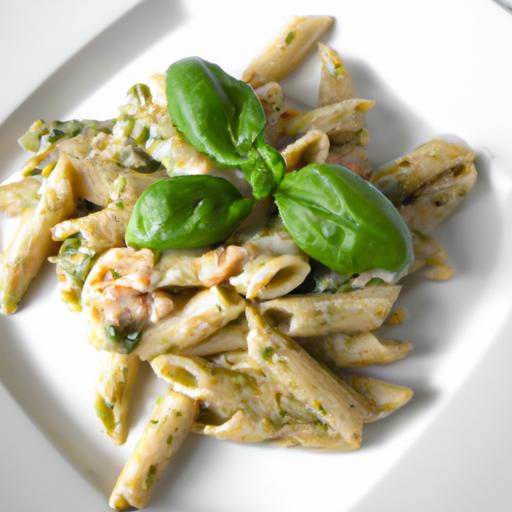
Discovering the secret to making truly Flavorful Pasta with Chicken and Homemade Pesto Sauce is a culinary journey worth savoring. This dish effortlessly marries tender chicken, vibrant basil pesto, and perfectly cooked pasta, resulting in a sensory symphony of textures and flavors. Inspired by the sun-kissed coasts of Italy and family dinners filled with laughter, this recipe celebrates freshness, balance, and the joy of homemade cooking.
Prep and Cook Time
- Planning: 20 minutes
- Cooking: 25 minutes
- Total Time: 45 minutes
Yield
Serves 4 generously
Difficulty Level
Medium – approachable for home cooks ready to elevate their technique
Ingredients
- chicken: 1 lb (450g) boneless, skinless chicken thighs, trimmed and cut into bite-sized pieces
- Pasta: 12 oz (340g) dried linguine or fettuccine
- For the Pesto:
- 2 cups fresh basil leaves, packed
- 1/2 cup extra virgin olive oil
- 1/3 cup pine nuts, lightly toasted
- 2 cloves garlic, peeled
- 3/4 cup freshly grated parmesan cheese
- Salt and freshly ground black pepper, to taste
- Additional Ingredients:
- 1 tablespoon lemon juice
- 1/4 cup reserved pasta cooking water
- 1 tablespoon olive oil (for cooking chicken)
- Fresh basil leaves, for garnish
- Optional: Cherry tomatoes, halved, for radiant color and sweetness
Instructions
- prepare the Homemade Pesto: In a food processor, combine the fresh basil, toasted pine nuts, and garlic cloves.Pulse until finely chopped, scraping down the sides as needed to ensure even blending.
- stream in olive oil slowly while the processor runs until the mixture is smooth but still has a bit of texture. Add grated Parmesan, lemon juice, and season generously with salt and pepper. Pulse a few more times to blend everything perfectly. Set aside.
- Cook the Pasta: Bring a large pot of salted water to a rolling boil. Add the pasta and cook according to package instructions until al dente. reserve 1/4 cup of pasta water before draining-this starchy water will help marry the sauce to the pasta beautifully.
- Sauté the Chicken: While pasta cooks, heat 1 tablespoon olive oil in a large skillet over medium-high heat. Add chicken pieces, seasoning lightly with salt and pepper. Cook undisturbed for about 3 minutes to develop a golden crust, than flip and cook for another 3-4 minutes until just cooked through and juicy. Avoid overcrowding the pan to ensure even browning.
- Combine and Finish: Reduce heat to low. Add the cooked pasta directly into the skillet with the chicken. Spoon in the homemade pesto, tossing gently to coat every strand and piece. Use reserved pasta water as needed to loosen the sauce, creating a luscious, silky texture.
- Serve with Style: Transfer to warmed plates, garnish with fresh basil leaves and optional cherry tomato halves for a bright pop of color. A final dusting of Parmesan completes this irresistible plate.
chef’s Notes
experiment with chicken breasts if preferred,but thighs retain more moisture and flavor for succulent bites. For a nut-free version, try swapping pine nuts with toasted sunflower seeds or pumpkin seeds-both provide delightful texture with an earthier taste.
If you don’t have a food processor, a mortar and pestle can be a charming alternative for your pesto, yielding a delightful rustic consistency. Make the pesto a day ahead to allow flavors to deepen; store in an airtight jar with olive oil covering the surface to prevent oxidation.
Always reserve pasta water before draining-it’s your secret weapon to achieving a creamy sauce without adding cream!
Serving Suggestions
Pair your dish with a crisp mixed green salad dressed in lemon vinaigrette to cut through the richness. Crusty artisan bread is perfect for soaking up any leftover pesto sauce lingering on the plate.For an elegant touch, drizzle a little more extra virgin olive oil and sprinkle freshly cracked black pepper just before serving.

| Nutrient | Per Serving |
|---|---|
| Calories | 520 kcal |
| Protein | 35 g |
| Carbohydrates | 42 g |
| Fat | 22 g |
Mastering Pasta selection for Bold Flavor Harmony
Choosing the right pasta is pivotal in balancing bold flavors. For this chicken and pesto dish, long, flat noodles like fettuccine or linguine provide an ideal coating surface. Their slightly wider shape cradles the thick pesto, allowing each bite to burst with brightness and depth. Avoid tiny shapes or tubular pastas, which can get overwhelmed or trap too much sauce, losing the dish’s intended balance.
Choosing the Perfect Chicken Cuts for Tender and Juicy Results
Chicken thighs stand out as the optimal choice for this recipe due to their rich flavor and ability to stay moist during quick sautéing. Their higher fat content ensures juicy, tender morsels that contrast beautifully with the herbaceous pesto. If using breasts, pound them evenly to encourage quick, even cooking and consider marinating briefly in olive oil, lemon, and garlic to boost moisture retention.
Crafting the Ultimate Homemade Pesto with Fresh Ingredients
Freshness is the soul of homemade pesto. Start with vibrant, bright green basil leaves-avoid any wilted or yellowing ones to maintain an aromatic punch. Toast pine nuts just until golden, releasing their oils and intensifying their flavor. Use quality extra virgin olive oil to lend silkiness and subtle fruity notes. Grated Parmesan should be fresh; pre-grated versions lack the creamy texture and sharpness critical to a luscious pesto. Control seasoning carefully, balancing salt and pepper to elevate natural flavors without overpowering.
Step by Step cooking Techniques for a Harmonious Dish
Patience and timing are essential. Sauté chicken in a single layer until golden to build flavor through caramelization.Cooking pasta to al dente ensures a firm texture that holds sauce well without becoming mushy. Incorporate reserved pasta water to emulsify the pesto and pasta, creating a silky, glossy finish rather than a dry coating. Toss gently but thoroughly, marrying every ingredient in perfect harmony. allow flavors to mingle off the heat briefly before serving to deepen the complexity.
For more inspiration on pasta and poultry pairings, check out our Ultimate Chicken Pasta Recipes collection and explore expert Italian cooking tips at Serious Eats.
Q&A
Q&A: Flavorful Pasta with Chicken and Homemade Pesto Sauce Guide
Q1: What makes homemade pesto sauce better than store-bought versions?
A1: homemade pesto bursts with freshness that’s hard to match. You control the quality of ingredients-vibrant basil leaves, rich extra virgin olive oil, nutty pine nuts, sharp Parmesan, and freshly minced garlic-all blended to your preferred texture. It’s fresher, more aromatic, and free from unnecessary preservatives or additives.Q2: Can I use a different type of pasta for this dish, or is there a best choice?
A2: Absolutely! While traditional pesto pairs beautifully with long noodles like linguine or spaghetti, feel free to experiment. Twisted trofie, chewy orecchiette, or even penne work well, too-the key is choosing pasta shapes that can hold the luscious pesto sauce on their curves and grooves.Q3: What’s the best way to cook chicken so it stays juicy and tender?
A3: For tender chicken, start by pounding the breast to an even thickness.Season simply with salt and pepper,then sear it in a hot pan with a drizzle of olive oil until golden on both sides. Finish cooking gently over medium heat to keep it moist.Let it rest before slicing to lock in those savory juices.
Q4: Can I make the pesto in advance? How should I store it?
A4: Yes! Homemade pesto can be made up to two days before serving. Store it in an airtight container, and for a stunning green color, pour a thin layer of olive oil on top before sealing. Keep it refrigerated and bring it to room temperature before mixing it with your pasta for the best flavor release.
Q5: Are there nut-free alternatives for making pesto for those with allergies?
A5: Definitely. If pine nuts aren’t an option, try using toasted sunflower seeds or pumpkin seeds for that satisfying crunch and earthiness. Another creative substitute is blanched almonds, which add a creamy texture while keeping the pesto vibrant and flavorful.
Q6: How can I enhance the flavor of the pesto without overpowering the chicken?
A6: Balance is key. Adding a touch of lemon zest or a squeeze of fresh lemon juice can brighten the pesto and complement the savory chicken. Also, a pinch of red pepper flakes can add a subtle warmth without overwhelming the dish’s natural harmony.
Q7: What side dishes pair well with pasta, chicken, and pesto?
A7: Consider fresh, crisp sides to contrast the rich pesto. A simple arugula salad with cherry tomatoes and a light vinaigrette offers peppery freshness. Roasted seasonal vegetables like asparagus or bell peppers also bring a lovely sweet char and texture contrast.
Q8: Can I prepare this dish for meal prep, and how long will it keep?
A8: It’s a great option for meal prep! Cook pasta slightly under al dente and toss with pesto and sliced chicken after cooling. Store portions in airtight containers in the fridge for up to 3 days. Reheat gently or enjoy cold for a tasty, convenient meal.Q9: Is it possible to make a vegan version of this pesto chicken pasta?
A9: Absolutely! Swap chicken for grilled tofu or sautéed mushrooms and replace Parmesan with nutritional yeast or a vegan cheese alternative. Use a vegan pesto recipe by omitting cheese or substituting it with ground nuts and nutritional yeast,keeping that herbaceous kiss intact.
Q10: What’s the secret to achieving the perfect pesto texture?
A10: The magic lies in pulse blending, not overprocessing. Use a food processor in short bursts-just until the ingredients form a coarse paste with tiny bits of nuts and basil still visible. This preserves the pesto’s rustic texture and prevents it from turning into a smooth puree.
Closing Remarks
With every forkful of this flavorful pasta with chicken and homemade pesto sauce,you’re not just enjoying a meal-you’re savoring a harmony of fresh ingredients and simple techniques that elevate everyday cooking into a culinary festivity. Whether it’s a weeknight dinner or a special occasion, this guide brings the vibrant taste of homemade pesto and tender chicken right to your table, proving that great flavor doesn’t have to be complicated. So roll up your sleeves, blend those herbs, and let your kitchen be filled with the irresistible aroma of rustic Italian charm-your next delicious masterpiece awaits!