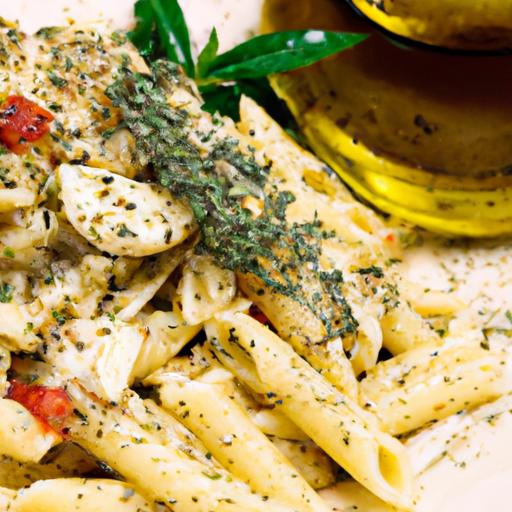

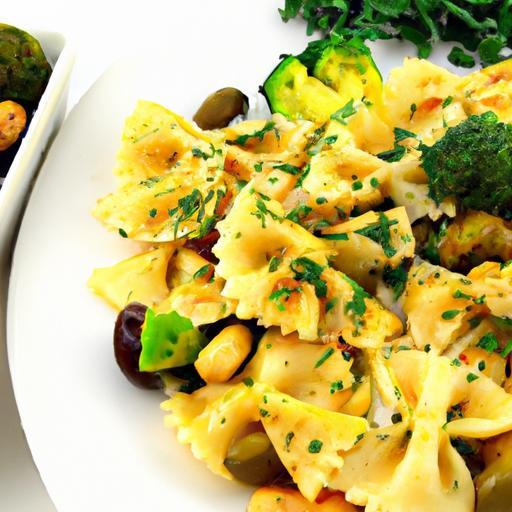
In the world of pasta, where classic Italian flavors often steal the spotlight, a vibrant Mediterranean twist is quietly making its mark-inviting food lovers to embark on a culinary journey that’s as simple as it is sensational. Enter zaatar and olive oil: two humble ingredients bursting with history,aroma,and zest. When combined with al dente pasta,they transform an everyday dish into a fragrant festivity of the Mediterranean’s rich,sun-soaked flavors. This flavorful fusion not only delights the palate but also tells a story of ancient herbs, golden groves, and timeless traditions. Join us as we explore the art of crafting zaatar and olive oil pasta-a recipe that’s as wholesome and nourishing as it is unforgettable.
Zaatar & Olive Oil Pasta: A Flavorful Mediterranean Twist
Zaatar & Olive Oil Pasta invites you to savor the verdant,aromatic essence of the Mediterranean in every bite. This dish marries the herbaceous, tangy notes of zaatar-an ancient Levantine blend-with the luscious, fruity depth of high-quality olive oil, creating a simple yet unforgettable culinary experience. Inspired by coastal kitchens where fresh herbs and pure ingredients shine, this recipe transforms a humble pasta into a vibrant celebration of tradition and flavor.
Prep and Cook time
- Readiness: 10 minutes
- Cooking: 12 minutes
- Total: 22 minutes
Yield
Serves 4 generous portions
Difficulty Level
Easy – perfect for weeknight dinners or effortless entertaining
Ingredients
- 12 oz dried spaghetti or linguine
- 3 tbsp zaatar spice blend (preferably freshly ground)
- 1/3 cup extra virgin olive oil (choose a fruity, peppery variety)
- 2 cloves garlic, finely minced
- 1 tbsp freshly squeezed lemon juice
- 1/4 tsp red pepper flakes (optional, for a touch of heat)
- 1/2 cup toasted pine nuts (lightly browned)
- Fresh parsley, chopped for garnish
- Salt and freshly ground black pepper, to taste
Step by Step Guide to Crafting the Ideal Zaatar and Olive Oil Pasta
- Cook the pasta: Bring a large pot of salted water to a boil. Add the pasta and cook according to package instructions until al dente, approximately 9-11 minutes. Reserve 1 cup of pasta water, then drain the pasta.
- Prepare the infused oil: In a large skillet over medium heat, warm the extra virgin olive oil. Add minced garlic and sauté until fragrant and golden, about 1-2 minutes-avoid browning to prevent bitterness.
- Combine flavors: Add the zaatar blend, red pepper flakes (if using), and lemon juice into the skillet. Stir gently to release the oils and aromas of the zaatar spices without burning them.
- Toss the pasta: Add the drained pasta to the skillet and toss to coat evenly in the infused olive oil and zaatar mixture. Gradually add reserved pasta water until the sauce becomes silky and clings perfectly to the noodles.
- Finish with nuts and seasoning: Stir in toasted pine nuts, adjusting salt and pepper to taste.Remove from heat just before serving to preserve the freshness of flavors.
- Plate and garnish: Divide pasta onto warm plates,sprinkle generously with chopped fresh parsley,and drizzle a little more olive oil on top for shine and richness.
Chef’s Notes: tips for Success
- For authentic texture, always use high-quality extra virgin olive oil.its fruity notes elevate the zaatar and provide a luxurious mouthfeel.
- if zaatar blend isn’t available fresh, combine thyme, sumac, toasted sesame seeds, and a pinch of salt as a DIY alternative.
- To toast pine nuts, place them in a dry pan over medium heat and stir constantly-watch carefully to avoid burning.
- Keep some reserved pasta water handy; it’s your secret to a perfect sauce consistency and silky pasta.
- This dish can be made ahead by prepping the zaatar oil mixture in advance. Toss with freshly cooked pasta just before serving.
Pairing Suggestions and Serving Tips for an Authentic Mediterranean Experience
Serve this vibrant zaatar & olive oil pasta alongside a crisp cucumber and tomato salad dressed with lemon and olive oil to balance the earthiness of the herbs.A side of warm flatbread or zaatar-spiced pita amplifies the experience, inviting you to scoop up every last bit. For a Mediterranean touch, garnish with crumbled feta or labneh, and enjoy with chilled sparkling water infused with fresh mint.
| Nutrition Info (per serving) | Amount |
|---|---|
| Calories | 420 kcal |
| Protein | 10 g |
| Carbohydrates | 55 g |
| Fat | 15 g |

For more inspiration on Mediterranean flavors, explore our comprehensive guide to Mediterranean herb blends. To deepen your understanding of zaatar’s rich cultural history, visit Britannica’s article on zaatar.
Q&A
Q&A: Zaatar & Olive Oil pasta – A Flavorful Mediterranean Twist
Q1: What is zaatar, and why does it work so well in pasta?
A1: Zaatar is a vibrant Middle Eastern spice blend typically made from dried thyme, oregano, sumac, and toasted sesame seeds. Its herby, tangy, and nutty notes bring a unique brightness and depth, making it a perfect companion to olive oil and pasta. The zaatar elevates a simple dish with bursts of aromatic complexity, turning everyday noodles into a Mediterranean celebration.
Q2: How do you prepare the pasta to best highlight the flavors of zaatar and olive oil?
A2: Start with al dente pasta-preferably a shape that holds sauce well, like fusilli or penne. After draining, toss the pasta immediately with extra virgin olive oil to coat each strand lightly. Then sprinkle zaatar generously along with a pinch of flaky sea salt.This allows the oil to carry the zaatar’s flavor evenly across every bite.Adding a squeeze of fresh lemon juice can brighten the dish even more.
Q3: can this pasta be adapted for a vegan or vegetarian diet?
A3: Absolutely! The recipe is naturally vegan and vegetarian-friendly since it relies on olive oil, herbs, and spices for flavor. To boost nutrition and texture, consider tossing in sautéed greens like spinach or kale, roasted cherry tomatoes, or even toasted pine nuts. These additions keep the dish wholesome and satisfying without compromising its Mediterranean charm.
Q4: How does olive oil contribute to the overall profile of the dish?
A4: Olive oil is the golden heart of this pasta-its fruity, peppery richness balances the tang and earthiness of zaatar beautifully. A high-quality, cold-pressed extra virgin olive oil provides a silky mouthfeel and a fragrant backdrop that lets the spices shine. Beyond taste,olive oil adds healthy fats that make the dish both nourishing and indulgent.
Q5: What are some simple garnishes or accompaniments that enhance the meal?
A5: Fresh herbs like parsley or mint add freshness and color, complementing zaatar’s robust flavors. A sprinkle of toasted sesame seeds echoes the zaatar blend and adds delightful crunch. For a citrusy twist,thin lemon zest or a few drops of lemon juice brighten the palate. Serve with a crisp side salad of cucumbers, tomatoes, and red onion dressed in lemon vinaigrette for a balanced Mediterranean feast.
Q6: Is this pasta best served hot or cold?
A6: while warm pasta allows the olive oil to coat each piece luxuriously and the zaatar aroma to bloom, this dish also shines slightly chilled as a refreshing pasta salad. The spices and oils infuse beautifully over time, making it an ideal make-ahead meal for picnics or light lunches.
Q7: How can I make zaatar & olive oil pasta more filling without losing its simplicity?
A7: Incorporate hearty Mediterranean ingredients like chickpeas, artichoke hearts, or olives to add protein and texture. Roasted vegetables such as eggplant or zucchini bring earthy sweetness and bulk. These additions keep the dish wholesome and satisfying while honoring the minimalist spirit of zaatar and olive oil.
Q8: Can I substitute zaatar with other spice blends if I don’t have it on hand?
A8: While zaatar’s complex flavor is unique, you can create a simple blend of dried oregano or thyme, a pinch of sumac if available, and toasted sesame seeds as a mild substitute. However, zaatar’s distinct tang and aroma are key to achieving the signature Mediterranean twist, so sourcing an authentic blend is worth it for the full experience.
Closing Remarks
As the final forkful of this vibrant Zaatar & Olive Oil Pasta settles into your memory, it’s clear that Mediterranean flavors have a unique way of transforming simple ingredients into an unforgettable experience. This dish isn’t just pasta-it’s a celebration of fragrant herbs, rich olive oil, and the timeless magic of zaatar, woven together in perfect harmony. weather your seeking a swift weeknight meal or a taste of the sun-soaked Mediterranean coast, this recipe offers a flavorful twist that’s both nourishing and effortlessly elegant. So next time you crave something familiar yet exciting, let zaatar and olive oil lead the way to a plate full of history, culture, and delicious revelation.