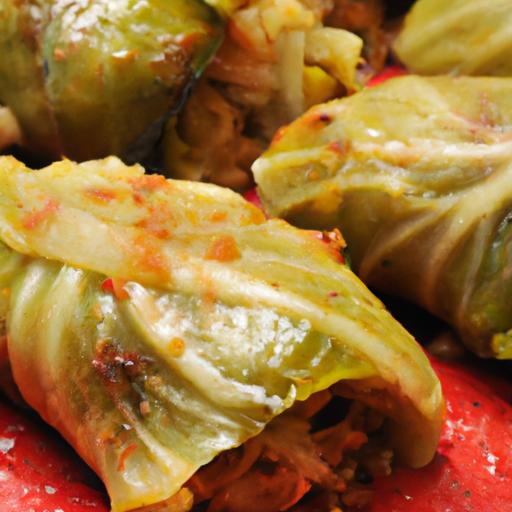

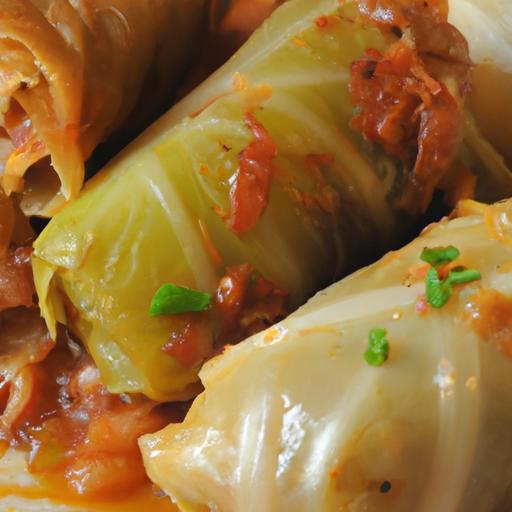
Beneath the humble leaves of a cabbage lies a story steeped in history, culture, and comfort-a story that unfolds bite by savory bite. Polish cabbage rolls, or gołąbki, are more than just a dish; they are a culinary symbol of tradition passed down through generations. Wrapped in tender cabbage and filled with a hearty mix of meat, rice, and spices, these rolls tell tales of family gatherings, seasonal harvests, and regional pride. In unwrapping the layers of this beloved recipe, we uncover not only the secrets of its readiness but also the rich cultural tapestry that has kept Polish cabbage rolls at the heart of the nation’s dining table for centuries. Join us as we delve into the origins, variations, and enduring charm of this delicious emblem of Polish heritage.
Polish cabbage rolls, known as gołąbki, hold a treasured place in culinary tradition, lovingly passed down through generations as a symbol of family warmth and hearty comfort. This beloved dish embraces a simple yet soulful combination of tender cabbage leaves wrapped around a savory filling that tells a story of resilience and celebration in polish culture. Rooted in rural customs and festival feasts alike, the recipe exemplifies communal cooking and the artistry of transforming humble ingredients into something extraordinary.
Prep and Cook Time
- Preparation: 30 minutes
- Cooking: 1 hour 15 minutes
- Total Time: 1 hour 45 minutes
Yield
Serves 6 hearty portions
Difficulty Level
Medium - approachable for enthusiastic home cooks with attention to technique
Ingredients
- 1 large head green cabbage, leaves separated and blanched
- 1 cup long-grain white rice, rinsed and drained
- 1 large yellow onion, finely chopped
- 2 cloves garlic, minced
- 1 lb ground beef (lean) or ground turkey
- 1 large carrot, grated
- 1 large egg, lightly beaten
- ½ cup milk
- 2 tablespoons fresh parsley, chopped
- 1 teaspoon dried marjoram
- Salt and freshly ground black pepper, to taste
- 2 tablespoons vegetable oil, for sautéing
- 3 cups tomato sauce, homemade or high quality store-bought
- 1 teaspoon smoked paprika
- 1 bay leaf
Crafting the Perfect Filling Using Authentic Ingredients
The heart of a memorable Polish cabbage roll lies in its filling-where simple ingredients harmonize for a rich, aromatic experience.Start by soaking long-grain rice until nearly tender, then combine it with freshly sautéed onions and garlic, which release a subtle sweetness that balances the earthiness of the meat.Adding grated carrot introduces moisture and a hint of natural sweetness, while a touch of marjoram and freshly chopped parsley lend the filling a fragrant, herbaceous lift. Binding everything with a beaten egg and a splash of milk ensures each bite holds together without sacrificing tenderness.
Step by Step Guide to Wrapping and Cooking Techniques
- Prepare the cabbage leaves: Core the cabbage head and blanch the leaves in boiling salted water for 2-3 minutes until pliable; carefully separate and set aside to cool on a clean towel.
- Make the filling: Heat vegetable oil in a skillet and sauté onions and garlic until translucent and golden, about 5 minutes. Stir in grated carrot and cook for another 2 minutes. Remove from heat and let cool slightly. In a large bowl, combine sautéed veggies with ground meat, cooked rice, egg, milk, parsley, marjoram, salt, and pepper. Mix gently but thoroughly.
- Assemble the rolls: Lay a cabbage leaf flat, carefully trimming the thick vein at the base if necessary to make folding easier. Place about 2-3 tablespoons of filling near the stem end. Fold the sides over the filling, then roll tightly from the base to the tip, creating a neat cylinder.
- Arrange for cooking: In a heavy-bottomed pot or Dutch oven, spread a few cabbage scraps or leaves on the bottom to prevent sticking. Layer the rolls seam-side down snugly in the pot.
- Cook in tomato sauce: Mix tomato sauce with paprika and tuck in the bay leaf. Pour over the cabbage rolls until almost covered. Bring to a gentle simmer, cover with a lid slightly ajar, and cook on low heat for 60-75 minutes. Avoid vigorous boiling to maintain shape and tenderness.
Tips for Serving and Pairing with Traditional Polish Side Dishes
For a truly authentic experience, serve these Polish cabbage rolls with a dollop of creamy mashed potatoes or buttery kopytka (Polish potato dumplings). A side of fresh dill pickles brightens the richness,while a sprinkle of fresh parsley or dill over the top adds vibrant color. Many families love a spoonful of tangy sour cream alongside,enhancing the comforting layers of flavor. For a warm contrast, accompany with a crisp green salad dressed in a simple vinaigrette or the classic Polish mizeria cucumber salad.
Chef’s Notes
- Blanching the cabbage leaves just right is crucial-overcooked leaves will tear, undercooked leaves will be difficult to roll.
- For a lighter twist,ground turkey can replace beef without sacrificing moisture or flavor.
- Prepare the filling a day ahead to deepen flavors-cover and refrigerate overnight.
- Use a sharp knife to thinly shave the cabbage vein near the stem to prevent cracking while rolling.
- Leftover cabbage rolls reheat beautifully and often taste better the next day.
| Nutrient | Per Serving |
|---|---|
| Calories | 380 kcal |
| Protein | 28 g |
| Carbohydrates | 30 g |
| Fat | 10 g |

Perfecting these polish cabbage rolls invites you to wrap yourself in the history and heartfelt flavors of a dish that transcends time. For more traditional Polish recipes and cultural stories, check out our polish Comfort Foods collection.
Discover the rich heritage of Polish cuisine with trusted insights from Britannica, where culture and culinary art intertwine beautifully.
Q&A
Q&A: Unwrapping Tradition: The Story of Polish Cabbage Rolls
Q1: What exactly are Polish cabbage rolls, and why do they hold such a special place in Polish culture?
A1: Polish cabbage rolls, or gołąbki (pronounced “goh-woom-kee”), are tender cabbage leaves lovingly wrapped around a savory filling, traditionally made with rice and minced meat – though there are many delicious variations. These rolls are a symbol of warmth and family, often served at festive gatherings and Sunday dinners. They represent the heart of Polish hospitality,the essence of home-cooked comfort,and a culinary bridge connecting generations.
Q2: How did Polish cabbage rolls come to be such a beloved dish?
A2: The story of gołąbki is one of resourcefulness and celebration. Cabbage is a hardy vegetable, thriving in Poland’s climate and storing well through long winters. Early Polish cooks discovered a way to transform humble ingredients into something extraordinary by wrapping them in blanched cabbage leaves and slow-cooking them in a rich sauce.This technique allowed families to stretch ingredients while creating a dish worthy of special occasions.
Q3: What are some traditional fillings and cooking techniques used in Polish cabbage rolls?
A3: Traditionally,the filling combines ground beef or veal with rice,onions,and aromatic spices,such as marjoram and black pepper. The rice adds a tender bite and soaks up the flavors during cooking. After wrapping the cabbage leaves around the filling, the rolls are layered in a pot and gently simmered in tomato sauce or a hearty broth, allowing flavors to meld beautifully. Some families may add mushrooms or lentils to the mix,creating delicious vegetarian versions that still honor the dish’s spirit.
Q4: Are Polish cabbage rolls only served during holidays,or are they an everyday meal?
A4: While gołąbki certainly shine during holidays like Christmas or Easter,they’re also comfort food for many Polish households throughout the year. Their nourishing blend of ingredients and satisfying warmth make them an ideal meal for chilly days or family gatherings, bridging daily life with cherished tradition.
Q5: How have Polish cabbage rolls evolved over time or across different regions?
A5: Like any beloved dish, gołąbki have embraced variation and innovation. In some areas, buckwheat or barley replaces rice; in others, mushrooms or vegetables take center stage for meatless versions. The sauces vary from tangy tomato to creamy mushroom or even sweet-and-sour,showcasing how regional tastes and available ingredients shape the recipe while preserving its comforting essence.
Q6: what’s a helpful tip for anyone attempting to make Polish cabbage rolls at home?
A6: Patience is the secret ingredient! Gently blanching the cabbage leaves makes them pliable and less likely to tear, while slow simmering the rolls in sauce allows the flavors to deepen and the filling to cook perfectly. Don’t rush the process-embracing the rhythm of preparation and cooking brings the full magic of gołąbki to your table.
Q7: Why do Polish cabbage rolls continue to inspire cooks and food lovers today?
A7: gołąbki invite us to unwrap layers of history,culture,and family memory with every bite. Their blend of simplicity and richness, coupled with the communal act of rolling and sharing, makes them timeless. Weather crafted out of tradition or curiosity, Polish cabbage rolls remind us that food is not just sustenance-it’s a story waiting to be told.
In Retrospect
As the final leaf is carefully rolled and the last simmering pot is set to rest, the story of Polish cabbage rolls comes full circle-an enduring emblem of heritage, family, and the simple joy of a well-crafted meal. More than just a dish,these savory parcels carry whispers of old-world kitchens,seasonal celebrations,and generations bound by flavor and tradition. Unwrapping a Polish cabbage roll is, in essence, unwrapping history itself-one bite at a time. Whether savored at a festive table or recreated in a modern kitchen, this beloved comfort food continues to wrap its rich narrative around the hearts and palates of those who cherish it.