

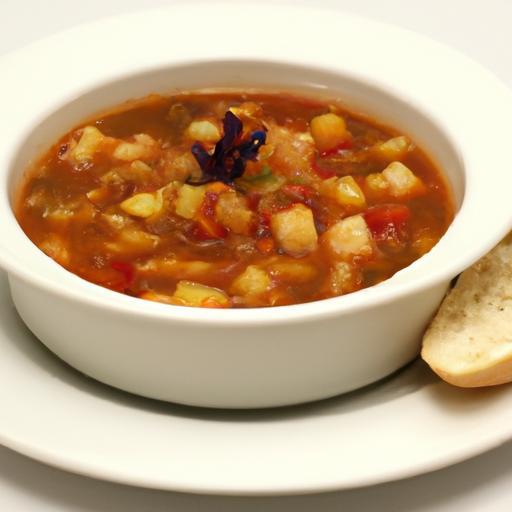
There’s something irresistibly comforting about a steaming bowl of Olive Garden’s Minestrone soup-a vibrant medley of fresh vegetables, tender beans, and fragrant herbs simmered to perfection. For fans of this beloved Italian classic, teh yearning to recreate that signature flavor at home has inspired countless kitchen adventures. In this article, we dive into an evolving table of copycat recipes that bring Olive Garden’s Minestrone Soup from the restaurant’s bowl straight to your own countertop. Whether you’re a seasoned cook or a curious foodie, discover the secrets, tweaks, and tips that transform simple ingredients into a heartwarming culinary experience reminiscent of your favorite dining spot. ready to stir the pot and awaken your taste buds? Let’s get started.
Recreate Olive Garden’s Minestrone Soup captures the heartwarming essence of Italian comfort with every spoonful. This beloved classic blends vibrant vegetables, tender beans, and robust herbs into a broth that whispers stories of rustic kitchens and family gatherings. Each ingredient plays a pivotal role, delivering authentic flavor and inviting aromas that transform your home kitchen into a cozy trattoria. Whether it’s the delicate bite of fresh zucchini or the fragrant hint of basil, understanding these fundamentals elevates this dish beyond a simple soup-it’s an experience.
Prep and Cook Time
- Prep Time: 20 minutes
- Cook Time: 40 minutes
- Total Time: 1 hour
Yield
Serves 6 hearty portions
Difficulty Level
Medium – approachable for home cooks eager to master classic Italian soups
Ingredients
- 1 tablespoon extra virgin olive oil
- 1 small yellow onion, finely diced
- 2 cloves garlic, minced
- 2 medium carrots, peeled and diced
- 1 stalk celery, diced
- 1 small zucchini, diced
- 1 small yellow squash, diced
- 1 cup green beans, trimmed and cut into 1-inch pieces
- 1 can (15 oz) cannellini beans, drained and rinsed
- 1 can (14.5 oz) diced tomatoes, undrained
- 4 cups low-sodium vegetable broth
- 2 cups water
- 1/2 cup small pasta shells or ditalini
- 1 teaspoon dried basil
- 1 teaspoon dried oregano
- 1/2 teaspoon dried thyme
- 1/4 teaspoon crushed red pepper flakes (optional)
- salt and freshly ground black pepper to taste
- Fresh parsley, chopped (for garnish)
- Grated Parmesan cheese (optional, for serving)
Instructions
- Heat olive oil in a large pot over medium heat. Add the onions and sauté until translucent,about 5 minutes,stirring often to avoid burning.
- Stir in garlic, carrots, and celery. Cook an additional 5 minutes until the vegetables start to soften and release thier aromas.
- Add zucchini, yellow squash, and green beans. Continue sautéing for 3-4 minutes until they begin to take on color but still retain some firmness.
- Pour in the vegetable broth, water, and diced tomatoes (with juice), stirring to combine all ingredients evenly.
- Season with dried basil, oregano, thyme, crushed red pepper flakes (if using), and add salt and pepper to taste. Bring the soup to a gentle boil, then reduce heat to a simmer.
- Simmer partially covered for 20 minutes, allowing flavors to meld and vegetables to soften without becoming mushy.
- Add pasta shells or ditalini to the pot and cook uncovered for 8-10 minutes, stirring occasionally to prevent sticking, until pasta is al dente.
- Rinse and drain the cannellini beans, then gently fold them into the soup during the last 5 minutes of cooking to warm through without breaking apart.
- Taste and adjust seasoning as necessary. Add more salt, pepper, or herbs for a personalized finish.
- Ladle the hot minestrone into bowls and garnish with freshly chopped parsley and a sprinkle of Parmesan cheese, if desired.
Tips for Success
- Vegetable selection: opt for the freshest seasonal produce; crisp vegetables offer the ideal texture contrast that defines this soup’s soul.
- Herb freshness: Fresh herbs can replace dried ones for a brighter flavor; add them in during the last few minutes of simmering to preserve their vibrancy.
- Pasta timing: Add pasta towards the end to avoid overcooking and preserve the soup’s hearty yet distinct textures.
- Make ahead: Minestrone tastes even better the next day. Store soup and pasta separately to maintain perfect consistency when reheating.
- Vegan option: Omit Parmesan or substitute with nutritional yeast for a plant-based boost without losing the umami richness.
Serving Suggestions
Serve this soup steaming hot in rustic bowls with crusty garlic bread or warm focaccia on the side. Elevate the presentation by drizzling a little extra virgin olive oil over the surface and finishing with a few bright basil leaves. A shard of Parmesan rind simmered in the pot earlier infuses an extra depth of flavor that delights the palate. Pair with a crisp green salad and a light vinaigrette for a balanced, inspiring meal perfect for cozy dinners or inviting company.
| Nutrient | Per Serving |
|---|---|
| Calories | 220 |
| Protein | 10g |
| Carbohydrates | 38g |
| Fat | 3g |

Looking to expand your Italian home cooking repertoire? Check out our guide on Vegetarian Italian Pasta Recipes for more inspiration. For authoritative insights into the health benefits of Mediterranean vegetables used in this soup, visit Healthline’s Mediterranean Diet overview.
Q&A
Q&A: Recreate Olive Garden’s Minestrone Soup – Evolving Table Copycat
Q1: What makes Olive Garden’s Minestrone Soup so special?
A1: Olive Garden’s Minestrone Soup is beloved for its comforting blend of fresh vegetables, hearty beans, and tender pasta, all simmered in a rich, flavorful tomato broth. Its well-balanced,vibrant flavors and inviting textures create a heartwarming bowl that feels both wholesome and indulgent-a true taste of Italian-inspired home cooking.
Q2: how can I capture the authentic flavor of Olive Garden’s Minestrone at home?
A2: The key is layering flavors thoughtfully. Start with a good-quality vegetable broth infused with garlic, onions, and Italian herbs like basil and oregano. Introduce a medley of crisp yet tender vegetables-such as zucchini, carrots, celery, and green beans-alongside cannellini beans for creaminess and protein. Adding a touch of Parmesan rind while simmering can elevate the broth with umami depth without overpowering the fresh ingredients.
Q3: What pasta works best in a homemade Minestrone?
A3: Small shapes like ditalini or elbow macaroni are perfect since they soak up broth without stealing the spotlight. The pasta should be cooked separately or added just before serving to avoid mushiness, preserving that signature bite and texture.
Q4: Can I make this soup vegan or vegetarian while keeping it flavorful?
A4: Absolutely! By using a robust vegetable broth and incorporating plenty of fresh herbs and garlic, you’ll build a vibrant base. Nutritional yeast or a splash of soy sauce can add savory notes if you want to skip the customary Parmesan rind. Roasting some of the vegetables beforehand can also add depth and a subtle sweetness.Q5: How can I evolve the classic recipe for a modern twist?
A5: Try incorporating seasonal vegetables to keep your Minestrone fresh and exciting-as an example, swapping green beans for Brussels sprouts in the colder months. Infuse the broth with a hint of smoked paprika for warmth or finish with a drizzle of pesto for brightness. Adding a squeeze of fresh lemon juice just before serving can also brighten the flavors, balancing the richness beautifully.
Q6: Any tips for a make-ahead Minestrone that doesn’t lose its charm?
A6: Store the soup and pasta separately. Soups tend to thicken and absorb pasta if stored together. Reheat gently and add freshly cooked pasta when ready to serve.this keeps the pasta texture ideal and the soup fresh tasting,just like at Olive Garden.
Q7: What garnishes best complement this Minestrone soup?
A7: A sprinkle of freshly grated Parmesan, chopped fresh basil or parsley, and a dash of cracked black pepper adds vibrant aroma and a flavorful finish. For a touch of creaminess, a dollop of ricotta or a drizzle of extra virgin olive oil right before serving works beautifully.
Q8: Can this Minestrone soup be gluten-free?
A8: Yes! Simply swap traditional pasta for gluten-free varieties or use rice or quinoa for a twist. Make sure your broth and all other ingredients are gluten-free to keep it safe and delicious without compromising on taste or texture.
This creative Q&A guides you through the essentials of replicating and reinventing Olive Garden’s Minestrone Soup-perfect for an evolving table where tradition meets fresh innovation.
To Wrap It Up
As you savor the rich, hearty flavors of your homemade Olive Garden-inspired minestrone soup, you’re not just enjoying a meal-you’re embracing a timeless Italian tradition reimagined for your own table. This recipe invites you to experiment, adjust, and evolve the classic flavors to suit your palate, proving that great dishes are living stories, passed down and personalized with every pot and spoonful. So, whether you stick to the original or add your own twist of seasonal veggies and spices, you’re crafting more than soup-you’re creating a flavorful experience that brings warmth, comfort, and a touch of Italian hospitality right to your home. Buon appetito!