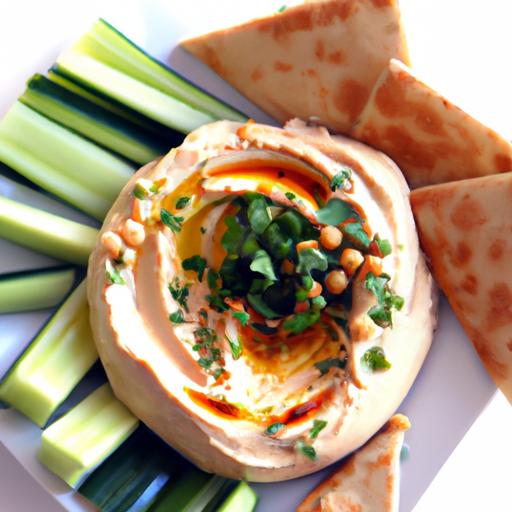

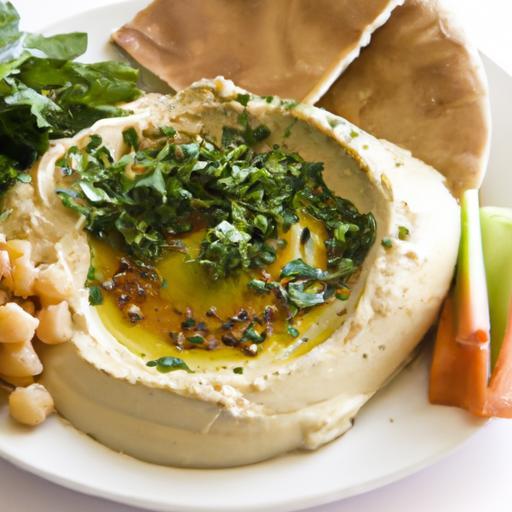
There’s something undeniably magical about the moment when a warm, fluffy pita meets a dollop of creamy, rich hummus-a culinary embrace that transcends cultures and kitchens alike. But achieving pita perfection isn’t just about the bread or the dip in isolation; it’s about the symphony they create together. In this ultimate guide to hummus pairing, we’ll journey beyond the basics to explore how the right pita can elevate your hummus experience to new heights. from conventional styles to bold flavor twists, discover the secrets to crafting the perfect match that will delight your taste buds and transform every bite into a celebration of texture, taste, and tradition. Whether you’re a hummus enthusiast or a curious foodie, your path to pita perfection starts hear.
Pita perfection is an art that truly begins in the marriage between soft, pillowy bread and creamy, luscious hummus. This duo, a cornerstone of Mediterranean and Middle Eastern cuisine, excels through its deep balance of textures and flavors. Imagine tearing into a warm, freshly baked pita that carries just the right chew, paired with a hummus whose rich, nutty tahini undertones mingle effortlessly with bright, zesty lemon and earthy garlic. It’s a sensory celebration rooted in tradition yet endlessly customizable to suit every palate.
Prep and Cook Time
- Prep Time: 15 minutes
- Cook Time: 10 minutes
- Resting Time (dough): 1 hour
Yield
8 pita pockets (each about 6 inches in diameter)
Difficulty Level
Medium – requires some dough handling but manageable for adventurous cooks
Ingredients
- 3 cups all-purpose flour, sifted
- 1 tablespoon sugar
- 2 teaspoons active dry yeast
- 1 teaspoon salt
- 1 cup warm water (about 110°F/43°C)
- 2 tablespoons olive oil, plus extra for brushing
Instructions
- Activate the yeast: In a small bowl, combine warm water, sugar, and yeast. Stir gently and let it sit for 5-10 minutes until foamy and bubbly, signaling active yeast.
- Combine dry ingredients: in a large mixing bowl, whisk together the flour and salt evenly for a balanced dough.
- Form the dough: Create a well in the center of the flour mix and pour in olive oil and the activated yeast mixture. Stir initially with a wooden spoon, then knead by hand or with a dough hook for about 8 minutes until the dough is smooth and elastic.
- First rise: Shape dough into a ball, lightly oil the bowl, place dough inside, cover tightly with plastic wrap or a damp cloth, and let it rise in a warm spot for 60 minutes or until doubled in size.
- Divide and shape: Punch down the dough gently and place on a lightly floured surface. Divide into 8 equal pieces and roll each piece into a ball. Using a rolling pin, flatten each piece into a circle roughly 6 inches in diameter, about ¼ inch thick.
- rest again: Cover the dough rounds with a clean towel and let them rest for 10-15 minutes to relax gluten for optimal puffing in the oven.
- Bake the pitas: Preheat the oven to 475°F (245°C).Place a baking stone or inverted baking sheet inside to heat.Place pita rounds directly onto the hot surface and bake for 3-4 minutes, until they puff up, slightly golden, and develop those signature pockets.
- Cool slightly before serving: Remove from oven and wrap warm pitas in a clean kitchen towel to retain softness. Use promptly with your favorite hummus varieties.
Tips for success
- Use water at the right temperature; too hot can kill yeast, too cold will slow the rise.
- Lightly flour your surface and rolling pin, but avoid excess flour which can toughen your pita.
- The secret to perfect pita pockets is the 475°F oven and the hot baking surface, which creates instant steam that puffs the bread.
- For softer pitas, brush them lightly with olive oil after baking and wrap in foil before cooling.
- Make-ahead tip: Freeze fully cooled pitas in airtight bags. To refresh, warm in a skillet or oven wrapped in foil.
Seasonal and Regional Hummus Varieties to Elevate your Pairing
While traditional chickpea hummus with tahini is a classic for good reason, experimenting with seasonal and regional twists can elevate your pita experience considerably. In spring, try hummus blended with fresh peas and mint for a vibrant green hue and refreshing flavor. In autumn, roasted butternut squash and toasted cumin add warm, nutty depth. Regional favorites include beetroot hummus for a stunning magenta color, or spicy harissa hummus for a punch of North African heat.
For a velvety finish, drizzle with high-quality extra virgin olive oil and sprinkle with za’atar or sumac to add earthy herby and citrusy notes. These toppings not only brighten the flavor but provide a stunning contrast against warm pita slices.
Creative Toppings and Additions to Transform Your Pita Experience
Once you master the art of perfectly baked pita and choose a luscious hummus base,the real fun begins. Elevate your dip by garnishing with creative toppings:
- Crunchy elements: Toasted pine nuts or chopped pistachios bring wonderful texture.
- Fresh herbs: sprinkle chopped parsley, cilantro, or dill for vivid color and freshness.
- Roasted vegetables: Warm roasted red peppers, caramelized onions, or sautéed mushrooms add savory richness.
- Bright acids: A squeeze of fresh lemon, or a scatter of pomegranate seeds adds bursting flavor and jeweled visual appeal.
- Spicy kick: Red pepper flakes, a drizzle of chili oil, or a brush of harissa paste can balance creamy smoothness with heat.
Nutritional Information
| Nutrition | Per Serving (1 pita + 2 tbsp hummus) |
|---|---|
| Calories | 180 |
| Protein | 5g |
| Carbohydrates | 28g |
| Fat | 4g |
Explore more Mediterranean bread recipes and tips in our Mediterranean Bread Basics article. For hummus history and health benefits, visit Healthline’s extensive guide.

Q&A
Q&A: Pita Perfection – The Ultimate Guide to Hummus Pairing
Q1: What makes pita bread the perfect companion for hummus?
A1: Pita bread’s soft, pillowy texture and subtle, slightly tangy flavor create the ideal canvas for hummus. Its pocket-style shape also allows for easy scooping, making every bite a harmonious blend of creamy and chewy sensations that elevate the tasting experience.
Q2: Are there specific types of pita that work best with different hummus flavors?
A2: Absolutely! Traditional white pita is wonderfully versatile, pairing well with classic garlic or lemon-infused hummus. Whole wheat or multigrain pitas introduce a nutty depth, perfect for hummus varieties with roasted red pepper or smoky chipotle twists. For something playful, try herbed or za’atar-seasoned pita alongside vibrant beetroot or jalapeño hummus.
Q3: How can toasting pita enhance my hummus pairing?
A3: Toasting pita adds a delightful crunch and a warm, golden aroma that contrasts beautifully with the creamy texture of hummus.Lightly charred edges also introduce a subtle smokiness, which can complement hummus blends featuring smoky spices like cumin or smoked paprika.
Q4: What creative additions can I serve with pita and hummus to complete the platter?
A4: Think fresh and vibrant: crisp cucumber slices,juicy cherry tomatoes,tangy pickled veggies,or crunchy radish rounds. For a more indulgent touch, roasted pine nuts, kalamata olives, or a drizzle of herb-infused olive oil can bring layers of flavor and texture to the table.
Q5: Can gluten-free pita options still deliver that perfect hummus pairing experience?
A5: Definitely! Gluten-free pitas made from chickpea, almond, or cassava flour can be just as satisfying. Their distinct flavors and textures add an exciting twist while remaining sturdy enough for dipping. Plus, they pair especially well with robust, spiced hummus varieties.
Q6: How can I elevate a simple hummus and pita snack into a full meal?
A6: Build your plate with vibrant sides like marinated grilled vegetables, spiced chickpea salad, or a fresh tabbouleh. Adding a sprinkle of toasted seeds, a handful of fresh herbs like parsley or mint, and a wedge of lemon to squeeze over the top will transform a humble snack into a feast of Mediterranean-inspired deliciousness.
Q7: Are there any classic pairings I should never miss?
A7: Classic never goes out of style! Traditional hummus with fresh, warm pita, a drizzle of extra virgin olive oil, and a sprinkle of sumac or za’atar is a timeless combination. Pair it with crunchy carrot sticks or warm falafel balls for a satisfying and authentic Middle Eastern experience.
Q8: What’s the secret to keeping pita fresh and perfect for hummus pairing?
A8: Store pita wrapped in a clean kitchen towel inside an air-tight container or bag to maintain softness. if refrigerated, gently steam or warm in the oven or on a pan before serving to revive that tender, pillowy feel-ready to scoop, dip, and savor!
Q9: Any tips for homemade pita that pairs flawlessly with hummus?
A9: for the ultimate pairing, aim for pita with a pocket that puffs perfectly in the oven, achieved with a hot baking surface and proper dough hydration. Incorporate a touch of yogurt or olive oil in the dough for extra softness and flavor that complements the creamy richness of your hummus.
Q10: How vital is texture contrast in pita and hummus pairing?
A10: Texture contrast is key to pita and hummus harmony. Creamy, silky hummus against soft, slightly chewy pita elevates the sensory experience, while toasted pita adds crunch. Balancing these textures keeps every bite engaging and satisfying, turning a simple snack into a culinary delight.
In Summary
As you embark on your journey to pita perfection, remember that the magic lies in the marriage of textures and flavors-each dollop of hummus telling its own appetizing story when paired just right. Whether you favor the classic creamy chickpea blend or crave adventurous twists with beets or spicy harissa, the right pita companion can elevate your experience from simple snack to culinary masterpiece.So, next time you reach for that warm, pillowy pita, let your taste buds be your guide and savor the harmony crafted in every bite. Here’s to endless pairing possibilities and hummus moments that never fail to delight.