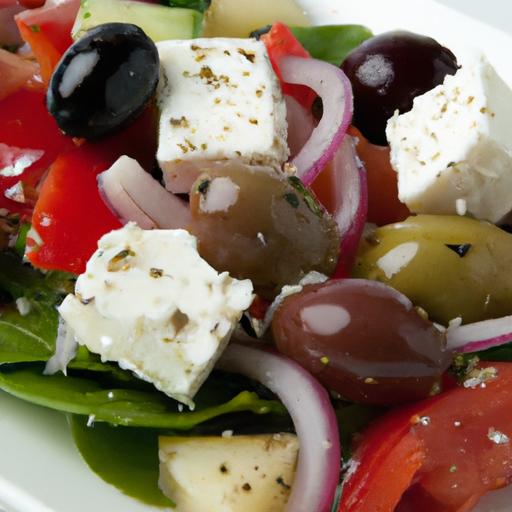

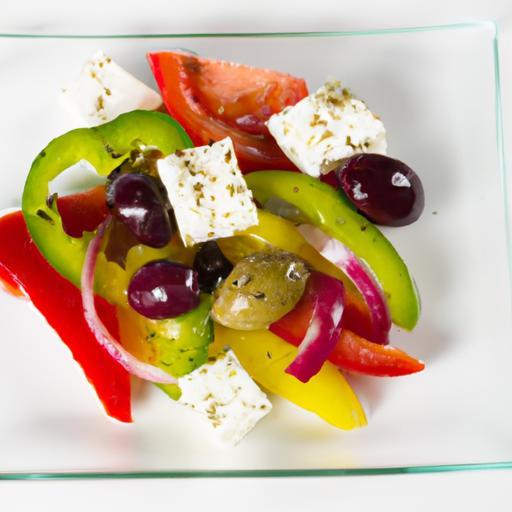
Imagine a vibrant tapestry of sun-soaked flavors, where each bite bursts with the freshness of the Mediterranean breeze. Greek salad, a timeless classic, embodies the essence of coastal simplicity-crisp cucumbers, juicy tomatoes, briny olives, and creamy feta harmoniously tossed to create a symphony of taste and texture. In this article, we’ll uncover the secrets to mastering this iconic dish, guiding you through the art of balancing bold ingredients and authentic techniques. Whether you’re a seasoned foodie or a curious kitchen novice, prepare to embark on a culinary journey that transforms humble vegetables into a Mediterranean delight worthy of every table.
Mediterranean Delight: Mastering Greek Salad with feta & Olives
Mediterranean Delight begins with a vibrant medley of fresh vegetables,briny olives,and creamy feta cheese – a salad that captures the sun-soaked essence of Greece in every bite. this iconic dish is more than just a salad; it is a celebration of tradition, simplicity, and bold flavors that have defined Mediterranean cuisine for centuries. From the rustic countryside kitchens of Greece to your table, mastering Greek salad with feta & olives is a journey worth savoring.
Origins and Authenticity: Exploring the Cultural Roots of Greek Salad
Greek salad, or “Horiatiki,” literally means “village salad,” a humble yet hearty dish born from the rich agricultural landscapes of Greece. Traditionally enjoyed during hot summer months, it was a speedy farmer’s meal made with garden-fresh tomatoes, cucumbers, onions, and local olives, topped generously with feta cheese. The salad embodies the Greek beliefs of clean eating-using fresh, quality ingredients that speak for themselves without unneeded fuss.
The authenticity of a Greek salad lies in its simplicity and respect for each component’s natural flavor. Unlike many Western adaptations that add leafy greens or iceberg lettuce, the classic recipe relies solely on robust vegetables and the signature creamy feta, celebrating balance over complexity.
Choosing the Perfect Ingredients: Tips for Selecting Fresh Vegetables, Feta, and Olives
To truly achieve a Mediterranean delight, sourcing impeccable ingredients is paramount.
- Tomatoes: Opt for ripe, vine-ripened tomatoes that are firm but juicy. Heirloom or Roma varieties offer concentrated sweetness and texture.
- Cucumbers: Select firm cucumbers with crisp flesh; English or Persian cucumbers are ideal due to their thinner skins and fewer seeds.
- Red Onions: Choose small,crisp red onions for a mellow yet sharp bite. Soaking sliced onions briefly in cold water can reduce pungency if desired.
- Feta Cheese: Authentic Greek feta is made from sheep’s milk or a blend of sheep and goat’s milk. It should be crumbly yet creamy, slightly tangy, and not overly salty. Look for blocks in brine for the freshest option.
- Olives: Kalamata olives are the gold standard here-deep purple, meaty, and bursting with complex flavor. Pit them for ease of eating.
- Fresh Herbs: Optional additions like dried oregano or fresh parsley enhance aroma but keep usage light to maintain authenticity.
Remember, the freshness of your vegetables defines the salad’s overall impact, so shop local markets or trusted sources when possible.
Mastering the Dressing: Crafting the Classic Greek Vinaigrette with Balance and Flair
The dressing is the soul-binding element of the salad, and creating the perfect vinaigrette requires a harmonious marriage of acidity, fruitiness, and seasoning.
- Olive Oil: Use a high-quality extra virgin olive oil with a fruity, peppery profile for authenticity.
- Vinegar: Red wine vinegar adds subtle tang without overpowering the salad’s freshness.
- lemon Juice: A splash of fresh lemon juice brightens and invigorates the dressing.
- Seasoning: Sea salt, freshly cracked black pepper, and a touch of dried oregano round out the vinaigrette.
Pro tip: Whisk together the vinegar, lemon juice, oregano, salt, and pepper first, then slowly drizzle in olive oil to emulsify the dressing – this creates a silky texture that clings beautifully to every vegetable.
Presentation and Pairings: Serving Suggestions to Elevate Your Mediterranean Experience
Part of the allure of this mediterranean delight is its vibrant presentation – colors that recall the blue seas and sunlit hillsides of greece.
- Serve the salad in a wide, shallow bowl to showcase the contrasting reds, greens, purples, and whites.
- Arrange torn chunks or crumbles of feta strategically atop the salad rather than mixing it in, allowing the creamy texture to shine.
- Garnish with a sprinkle of fresh oregano or a drizzle of extra virgin olive oil for an elegant finishing touch.
- Pair with warm, crusty bread or grilled pita for dipping into the dressing.
- The salad also pairs wonderfully with grilled seafood or lemon-herb chicken for a complete Mediterranean feast.
For a refreshing twist, serve alongside chilled glasses of sparkling water infused with cucumber and mint, enhancing the clean flavors of the dish.
Prep and Cook Time
- Preparation: 15 minutes
- Cook Time: None (chilling optional)
- Total Time: 15 minutes
Yield
- Serves 4 as a side dish or 2 as a light meal
Difficulty Level
- Easy: Minimal preparation, no cooking required
Ingredients
- 3 large ripe tomatoes, cut into wedges
- 1 large English cucumber, thickly sliced
- 1 small red onion, thinly sliced
- 1 cup Kalamata olives, pitted
- 200g block of Greek feta cheese, crumbled or in thick slices
- 3 tablespoons extra virgin olive oil
- 1 tablespoon red wine vinegar
- 1 teaspoon fresh lemon juice
- 1 teaspoon dried oregano
- Sea salt and freshly cracked black pepper, to taste
- Optional: Fresh oregano leaves or parsley for garnish
Instructions
- Prepare the vegetables: rinse and dry tomatoes and cucumbers thoroughly. Slice tomatoes into wedges and cucumber into thick rounds.
- Slice the onion thinly: To mellow its sharpness, soak the slices in cold water for 10 minutes, then drain and pat dry.
- arrange the salad: on a large serving platter or bowl, layer the tomatoes, cucumber slices, and onions evenly.
- Add olives: Distribute Kalamata olives over the vegetables for generous bursts of flavor.
- make the vinaigrette: In a small bowl, whisk together red wine vinegar, lemon juice, oregano, sea salt, and pepper. Slowly drizzle in olive oil while continuously whisking until emulsified.
- Dress the salad: Drizzle the vinaigrette evenly over the arranged salad, ensuring every piece is lightly coated.
- Top with feta: Add crumbled or chunked feta on top, distributing it evenly yet artistically.
- Garnish and serve: Sprinkle fresh oregano or parsley leaves if using, and serve promptly or chill for 10 minutes to meld flavors.
Chef’s Notes & Tips for Success
- ingredient swaps: if Kalamata olives are unavailable, use Greek green olives but avoid black olives that are waxy or too mild.
- Feta alternatives: For a vegan twist, substitute feta with marinated tofu or almond-based cheese.
- Make-ahead: Prepare vegetables and dressing separately in advance; toss together just before serving to preserve crispness.
- extra crunch: Add a handful of toasted pine nuts or walnuts for texture contrast without compromising authenticity.
Serving Suggestions
This salad shines when presented with mediterranean flair. Serve it as the star side to grilled lemon-herb chicken or alongside pan-seared seabass for an elegant touch. Garnish with a drizzle of rich olive oil and a wedge of lemon on the side for guests to brighten their portions. Adding a sprinkle of smoked paprika or a few capers can provide an additional flavor layer if desired.

| Nutrient | Per Serving |
|---|---|
| Calories | 220 kcal |
| Protein | 6 g |
| Carbohydrates | 8 g |
| Fat | 18 g |
For readers eager to explore more mediterranean treasures, check out our detailed guide on Mediterranean Herbs and Spices. For an in-depth history of Greek cuisine, visit the Greek Gastronomy Guide.
Q&A
Q&A: Mediterranean Delight – Mastering Greek Salad with Feta & Olives
Q1: What makes a greek salad truly authentic?
A1: The essence of an authentic greek salad lies in simplicity and quality. Fresh, ripe tomatoes, crisp cucumbers, red onions, and green bell peppers come together with briny Kalamata olives and creamy, crumbly feta cheese. Dressed with extra virgin olive oil, a splash of red wine vinegar, and sprinkled with dried oregano, it celebrates the vibrant flavors of the Mediterranean.
Q2: How can I ensure my feta cheese melts perfectly into the salad?
A2: Feta is traditionally served in chunks or crumbled rather of melted. To keep the texture lively, crumble or gently cube it right before serving. This way, each bite delivers a delightful tang and creaminess that contrasts beautifully with the crunchy vegetables.
Q3: Are there any tips for selecting the best olives for a Greek salad?
A3: Kalamata olives are the star-look for deep purple or black, plump olives with a firm texture. Opt for olives packed in brine rather than oil to retain that fresh, tangy taste. Rinsing them lightly before adding to the salad helps balance the saltiness.Q4: Can I prep greek salad ingredients in advance without losing freshness?
A4: Absolutely! Chop the vegetables and keep them chilled separately in airtight containers. Wait to add feta,olives,and dressing until just before serving to maintain the salad’s crispness and vibrant colors.This also prevents the vegetables from becoming soggy.
Q5: How can I elevate the flavor profile without complicating the recipe?
A5: Incorporate freshly chopped herbs like mint or flat-leaf parsley for an aromatic twist. A sprinkle of toasted pine nuts adds delightful crunch. Lastly, a pinch of freshly ground black pepper or a hint of lemon zest can brighten every forkful.Q6: Is Greek salad suitable as a main course or just a side dish?
A6: Greek salad is wonderfully versatile. Served as a side, it complements grilled vegetables or seafood splendidly. For a light main course, add protein like grilled chicken, chickpeas, or marinated tofu, turning it into a vibrant, balanced meal bursting with Mediterranean goodness.
Q7: What is the best dressing to showcase the flavors of a Greek salad?
A7: The classic dressing is a simple emulsion of extra virgin olive oil, red wine vinegar, oregano, salt, and pepper. This light yet tangy dressing allows the natural flavors of the vegetables, olives, and feta to shine through without overpowering them.
Q8: How does the texture of each ingredient contribute to the overall salad experience?
A8: texture is key-the crunch of cucumbers and peppers contrasts with the juicy softness of tomatoes. The briny, slightly oily olives add chewiness, while the feta provides a creamy, crumbly counterpoint. Together, these elements create a harmony of bite and flavor that keeps each mouthful exciting.Whether served on a sunlit terrace or packed for a picnic,mastering greek salad with feta and olives is a celebration of Mediterranean freshness that’s simple to achieve and endlessly satisfying.
Concluding Remarks
As you bring together the vibrant colors and bold flavors of crisp cucumbers, ripe tomatoes, briny olives, and creamy feta, you’re not just making a salad-you’re crafting a taste of the Mediterranean itself. Mastering the Greek salad is an invitation to embrace simplicity, freshness, and tradition on your plate. Whether served as a light lunch, a zesty side, or the centerpiece of a Mediterranean feast, this salad’s harmonious blend of ingredients will transport your senses straight to the sun-drenched shores of Greece. So next time you crave a dish that’s easy to prepare yet rich in history and flavor, remember: the perfect Greek salad is more than a recipe-it’s a celebration of life’s tasty essentials. Kali orexi!