
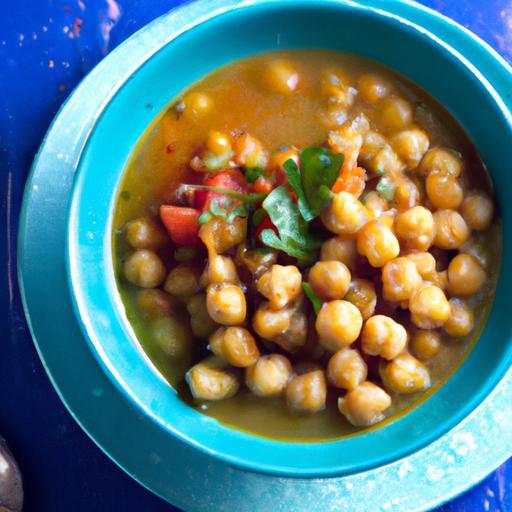
In the bustling streets of Morocco, were the aroma of spices dances through the air and vibrant markets hum with life, one dish stands as a timeless emblem of tradition and comfort: Harira. More than just a soup, Harira is a soulful tapestry woven from tender chickpeas, fragrant herbs, and rich tomatoes-a culinary ritual that has nourished generations and marked the rhythms of Moroccan life. This beloved concoction, steeped in history and cultural significance, invites us to explore not only its hearty flavors but also the stories simmering within every bowl. Join us as we unveil Harira, morocco’s cherished chickpea soup tradition, and discover the heart and heritage served in every ladle.
Harira, Morocco’s beloved chickpea soup, is much more than a hearty bowl of comfort; it embodies centuries of culinary tradition and cultural warmth that bring families and communities together. Originating from the rich tapestry of Moroccan cuisine, this soulful dish marries the earthiness of chickpeas, the vibrant zest of fresh herbs, and tender morsels of meat or lentils, enhanced by a fragrant blend of spices that invite you to savor each spoonful. As you embark on crafting this authentic recipe, you’ll uncover how every ingredient breathes life into a soup that is as nourishing as it is deeply rooted in Moroccan identity.
Prep and Cook Time
- Preparation: 20 minutes
- cooking: 1 hour 15 minutes
- Total time: 1 hour 35 minutes
yield
Serves 6 generous bowls
difficulty Level
Medium – Perfect for those ready to explore authentic Moroccan flavors with a rewarding cooking process
Ingredients
- 1 cup dried chickpeas, soaked overnight and drained
- 1/2 cup red lentils, rinsed
- 300g lamb shoulder, cut into bite-sized pieces (optional)
- 2 tbsp olive oil
- 1 large onion, finely chopped
- 3 celery stalks, finely chopped
- 2 garlic cloves, minced
- 2 large tomatoes, peeled and pureed
- 1/4 cup fresh parsley, finely chopped
- 1/4 cup fresh cilantro, finely chopped
- 1 tbsp tomato paste
- 1 tsp ground turmeric
- 1 tsp ground cinnamon
- 1 tsp ground ginger
- 1/2 tsp ground black pepper
- 1 tsp paprika
- 1 lemon, juiced
- 6 cups vegetable or beef broth
- 2 tbsp all-purpose flour mixed with 3 tbsp cold water (for thickening)
- salt, to taste
Step-by-Step Preparation Tips to Craft the Perfect Harira
- Begin by heating olive oil in a large heavy-bottomed pot over medium heat.Add the chopped onion and celery, sautéing until soft and golden, about 7-8 minutes, stirring occasionally to avoid burning.
- Add the minced garlic and spices: turmeric, cinnamon, ginger, paprika, and black pepper. Cook for 2 minutes until aromatic, stirring constantly to unlock the vibrant fragrance.
- Incorporate the lamb pieces (if using), stirring until they lightly brown on all sides, about 5 minutes. This step builds a deep, savory base.
- Pour in the pureed tomatoes and tomato paste, mixing well. Let this simmer for 5 minutes to meld flavors and soften the tomato’s acidity.
- Add the soaked chickpeas, red lentils, and broth to the pot. Bring to a boil, then reduce heat and simmer gently for 40 minutes. stir occasionally to prevent sticking.
- Stir in the fresh parsley and cilantro, infusing bright herbal notes that balance the rich warmth of the spices.
- Mix the flour slurry into the soup gradually to thicken the broth, stirring continuously. Cook for an additional 10 minutes until the soup gains a velvety, satisfying texture.
- Season with salt to taste and finish with fresh lemon juice to lift the richness with a delicate brightness.
- Serve hot, garnished with extra fresh herbs and a wedge of lemon for squeezing at the table.
- For an added touch of tradition, accompany the soup with warm, crusty Moroccan bread to soak up its soul-soothing broth.
Chef’s Notes and Tips for Success
- Soaking chickpeas overnight drastically reduces cooking time, ensuring tenderness without a grainy texture.
- Recreate a vegetarian version by omitting the lamb and using vegetable broth-add extra lentils or a handful of rice for heartiness.
- Control the thickness by adjusting the flour slurry; for a lighter broth, reduce the amount or skip it altogether.
- Make-ahead tip: Harira tastes even better the next day as flavors deepen. Simply reheat gently on the stovetop, adding a splash of broth if too thick.
- for a vibrant finish, drizzle a good quality extra-virgin olive oil just before serving and sprinkle with smoked paprika if you prefer a subtle smoky note.
Cultural Insights: Embracing Moroccan Traditions and Festivities
Harira often graces tables during Ramadan, where it breaks fasts with its nourishing warmth and convivial spirit. This soup transcends mere sustenance; it is indeed a symbol of generosity, hospitality, and festivity. Families gather to share it after sunset, its rich broth and fragrant ingredients kindling both body and soul. Each region and household brings nuances to the recipe, keeping the tradition vibrant and alive, passed lovingly through generations.
Pairing Harira with Authentic Moroccan Accompaniments
To elevate yoru Harira experience,consider pairing it with classic Moroccan sides like freshly baked khobz (round,crusty bread),wich is perfect for dipping. Opt for dates and chebakia (honey-soaked Moroccan pastries) as customary sweet complements that appear during festive occasions. for a refreshing contrast, serve with a simple salad of cucumber, tomato, and mint, dressed lightly with lemon juice and olive oil. A steaming cup of Moroccan mint tea rounds off the meal, cleansing the palate and continuing the warmth of tradition in every sip.
| Nutrient | Per serving |
|---|---|
| Calories | 320 |
| Protein | 18g |
| Carbohydrates | 45g |
| Fat | 7g |

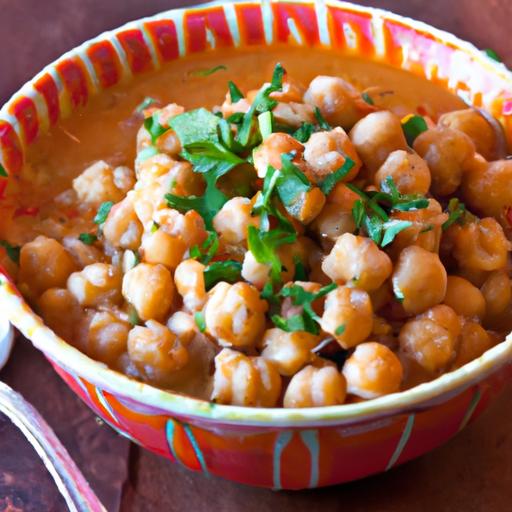
image: A steaming bowl of Harira showcasing the vibrant herbs and chickpeas that bring this Moroccan soul food to life.
discover more Moroccan culinary treasures in our Moroccan Couscous Recipes Collection to continue your flavorful journey.
Q&A
Q&A: Harira unveiled – Morocco’s Soulful Chickpea Soup tradition
Q1: What is Harira, and why is it so beloved in Moroccan culture?
A1: Harira is a fragrant, hearty soup deeply woven into Morocco’s culinary and cultural fabric. frequently enough considered the soul of moroccan home cooking,it combines tender chickpeas,fresh herbs,tomatoes,and delicate spices into a comforting broth that warms both body and spirit. Beyond its flavors, Harira serves as a communal dish, traditionally enjoyed during Ramadan to break the fast, symbolizing hospitality, nourishment, and celebration.
Q2: What are the key ingredients that give Harira its distinctive character?
A2: The magic of Harira lies in its harmonious blend of ingredients. Chickpeas provide a creamy texture, lentils add earthiness, and tomatoes lend a vibrant base. Fresh cilantro and parsley infuse herbaceous brightness,while ground ginger,cinnamon,and turmeric offer warming,aromatic notes. This soup is frequently enough thickened with a flour and water mixture, lending it a velvety consistency, and finished with a squeeze of fresh lemon to awaken the flavors.
Q3: How is Harira traditionally served and enjoyed in Morocco?
A3: Harira is more than just a dish; it’s an event. Traditionally served at sunset during Ramadan,it’s the centerpiece of iftar meals-breaking the fast with nourishing warmth and communal joy. The soup is frequently enough accompanied by dates, chebakia (a honey-soaked pastry), and freshly baked bread like khobz to scoop up the rich broth. Families gather around the table, sharing stories and savoring each spoonful in a celebration of togetherness.
Q4: Are there regional variations of Harira within Morocco?
A4: Yes! While the heart of Harira remains consistent, slight variations can be found across Moroccan regions.Some versions incorporate more lentils for a thicker texture, others enhance the herb ratio for increased freshness. In coastal areas, additional saffron or spices might be used for subtle complexity. These regional twists celebrate local tastes, showcasing the adaptability of this timeless recipe.
Q5: Can Harira be prepared in advance and reheated?
A5: Absolutely. Harira’s flavors frequently enough deepen after resting, making it an ideal dish to prepare ahead of time. When reheated gently, its spices meld beautifully, and the soup retains its rich texture.Just be sure to stir occasionally to prevent sticking, and add a little water or broth if it thickens too much when warming up.
Q6: How can someone new to Moroccan cuisine best experience Harira?
A6: To truly appreciate Harira, immerse yourself in its warmth and layered flavors. Seek a homemade version or a reputable Moroccan eatery where the soup is prepared traditionally. Pair it with fresh bread, and savor it slowly. Reading about its cultural significance can also enrich your experience,helping you understand why this humble chickpea soup holds a special place in Morocco’s culinary heart.
Q7: What makes Harira a nourishing choice beyond its delicious taste?
A7: Harira is a nutritional powerhouse. Chickpeas and lentils contribute plant-based protein and fiber, supporting digestion and sustained energy. The fresh herbs provide antioxidants, while tomatoes supply essential vitamins. The spices not only enhance flavor but also offer anti-inflammatory benefits. This balance makes Harira both comforting and wholesome-a perfect harmony of taste and wellness.
Q8: Are there plant-based adaptations of Harira for those with dietary preferences?
A8: Traditionally, Harira is naturally plant-based, making it ideal for vegetarian and vegan diets. Its richness comes from legumes,herbs,and spices rather than animal products. For added texture, some home cooks include finely chopped celery or carrots, but the essence remains a celebration of Mediterranean and North African vegetarian ingredients at their finest.
Q9: What role does Harira play during Moroccan festivities beyond Ramadan?
A9: While Harira shines during ramadan, it also graces other gatherings such as weddings, family reunions, and religious celebrations. Its presence signals warmth, generosity, and communal spirit. sharing Harira is a gesture of welcome, embodying the Moroccan value of hospitality and the joy of bringing people together around a shared, soulful meal.
Q10: How does Harira connect modern Moroccan generations to their heritage?
A10: Harira is a delicious thread linking past and present. Recipes are passed down from grandmothers to grandchildren, often accompanied by stories and memories. Each bowl evokes a sense of place and identity, reminding Moroccans of their roots, family bonds, and cultural pride. In every simmering pot, Harira carries history, tradition, and the enduring spirit of Moroccan home life.
The Conclusion
As the steam rises from a bowl of Harira, it carries with it centuries of stories, culture, and kinship-a fragrant embrace that warms both body and soul. This humble chickpea soup, with its rich symphony of spices, tender legumes, and heartfelt tradition, is far more than a meal; it is a living thread in Morocco’s vibrant tapestry. Whether shared during the sacred moments of Ramadan or enjoyed as a comforting everyday ritual, Harira invites us to taste history and connect with a culture that honors hospitality and togetherness. In unveiling Harira, we not only discover a recipe but a soulful celebration of Moroccan heritage simmering patiently in every ladle.