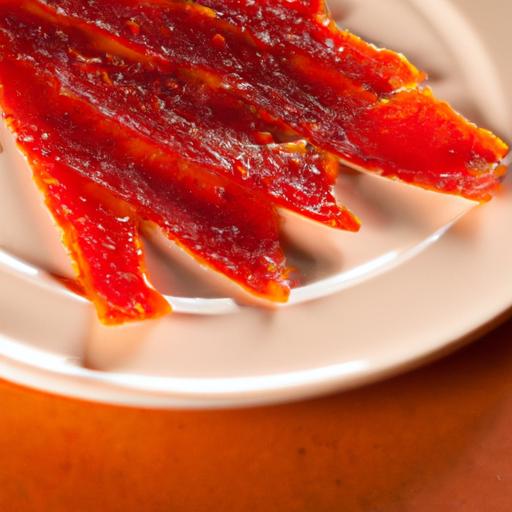

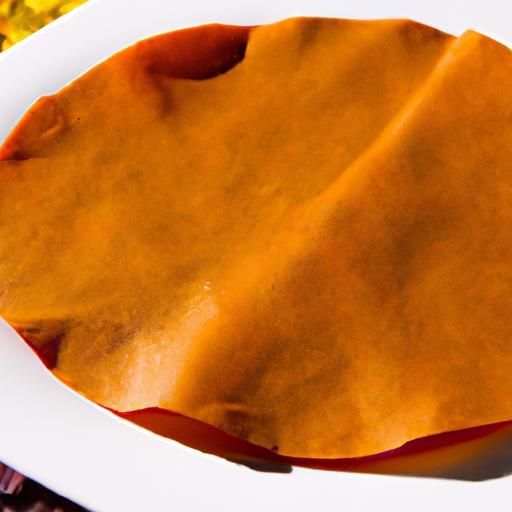
Ther’s something timeless about fruit leather – those chewy, vibrant strips of concentrated fruit flavor that turn simple ingredients into portable, nostalgic delights. Whether you’re a seasoned kitchen adventurer or a curious newcomer, crafting your own fruit leather opens a world of endless taste possibilities.In this ultimate flavor collection, we’ll peel back the layers on top fruit leather recipes that range from tangy tropical blends to sweet and spicy combinations. Get ready to transform fresh, wholesome fruit into colorful, tasty snacks that are as fun to make as they are to eat. Let’s embark on a flavorful journey that will forever change how you snack on fruit!
Top Fruit Leather Recipes deliver an exciting way to savor nature’s sweetest flavors in a chewy, vibrant form that’s both portable and nutritious. From childhood nostalgia to gourmet reinventions, fruit leather has evolved into an artful craft where bold fruit combinations awaken your palate with bright, irresistible taste and vivid color. Embracing these luscious blends and expert techniques ensures your homemade fruit leather is perfectly chewy with a deep, concentrated flavor that dances on your tongue.
Prep and Cook Time
- Planning: 15 minutes
- Cooking (Dehydrating): 6-8 hours, depending on thickness and drying method
- Total Time: Approximately 6.5-8.5 hours
Yield
Makes about 3 large rolls or 12 small fruit leather strips, perfect for snacking or gifting.
Difficulty Level
Easy to Medium: Requires some patience for dehydrating but minimal hands-on cooking.
Ingredients
- 3 cups fresh or frozen fruit, peeled, chopped, and pitted as needed (e.g., mango, strawberry, or mixed berries)
- 1/4 cup honey or maple syrup (adjust to taste based on fruit sweetness)
- 1 tablespoon freshly squeezed lemon juice (helps preserve color and enhance brightness)
- Optional: 1 teaspoon ground ginger, 1/2 teaspoon ground cinnamon, or a pinch of chili powder for bold twists
- Optional: 2 tablespoons chia seeds for texture and nutrition boost
Instructions
- Prepare your fruit: In a blender or food processor, puree the fruit until smooth. for a finer texture, strain through a sieve to remove seeds if desired. Stir in honey (or maple syrup) and lemon juice until fully incorporated.
- Add optional spices or chia seeds: Stir gently to distribute evenly, especially if incorporating chia seeds wich will help thicken the puree.
- Line a baking sheet: Use a silicone baking mat or parchment paper lightly sprayed with non-stick oil to prevent sticking. Pour the fruit puree onto the sheet and spread evenly to an even thickness of about 1/8 inch for best drying results.
- Dry the puree: place the tray in a food dehydrator set to 135°F (57°C) or in your oven on the lowest setting with the door slightly ajar to allow moisture to escape. Dry for 6 to 8 hours, checking after 5 hours to avoid over-drying.
- Test for doneness: The leather should be tacky but not sticky, bend without cracking, and peel easily from the liner.
- Cool and cut: Let the fruit leather cool to room temperature, then carefully peel away from the mat or paper. Use kitchen scissors or a pizza cutter to slice into strips or shapes.
- Roll and store: Roll strips in parchment paper to prevent sticking and preserve freshness.
Tips for Success
- Fruit selection: Choose ripe, flavorful fruits for the best depth-berries, stone fruits, tropical varieties, and apples all work beautifully.
- Prevent crystallization: Heating the fruit gently on the stovetop for 5-10 minutes before blending can definitely help dissolve natural sugars and create a smoother leather.
- Thickness matters: A thinner layer dries faster and chewier,while a slightly thicker layer is more tender but takes longer.
- Storage: Keep your fruit leather in airtight containers or zip-top bags away from heat and humidity. Stored properly,it stays fresh for up to 1 month.
- Flavor experiments: Try adding herbal infusions (like basil or mint), a splash of citrus zest, or warming spices for surprising complexity.
- Make ahead: Fruit leather freezes beautifully-wrap rolls tightly before freezing and thaw at room temperature for convenient snacking.
Serving Suggestions
Fruit leather pairs wonderfully with a variety of accompaniments that enhance its natural sweetness:
- Serve alongside nut butters for a protein-packed snack.
- Cut into thin strips and weave into festive fruit and cheese platters.
- Chop small pieces to sprinkle over yogurt or oatmeal for natural sweetness.
- Use as a flavorful garnish for cocktails or mocktails.
- Roll and slice into bite-size pinwheels for children’s lunchboxes or party treats.

| Nutritional Element | Per Serving (1 Strip) |
|---|---|
| Calories | 70 kcal |
| protein | 1 g |
| Carbohydrates | 18 g |
| Fat | 0.2 g |
for more creative ideas on fruit preservation, check out our homemade jams and preserves guide. To learn more about the science of drying fruit safely, visit the USDA’s Food Safety and Inspection Service official website.
Q&A
Q: What exactly is fruit leather, and why should I try making it at home?
A: Fruit leather is a deliciously chewy, naturally sweet snack made by pureeing fruit and drying it into thin sheets. Homemade fruit leather allows you to control the ingredients-no added preservatives or artificial flavors-and customize flavors to your liking. Plus, it’s perfect for on-the-go snacking, lunchboxes, or a healthy treat anytime.
Q: Which fruits work best for making fruit leather?
A: Almost any fruit can be transformed into fruit leather! Classics include strawberries, mangoes, apples, and peaches. Berries add vibrant color and tang, while tropical fruits like pineapple and kiwi bring an exotic twist. For the ultimate flavor explosions, try blending fruits together-think raspberry and banana or apple with cinnamon.
Q: Do I need any special equipment to make fruit leather?
A: Not realy! While a food dehydrator speeds up the drying process and ensures even drying, you can also use a conventional oven set to low heat.A blender or food processor is essential for pureeing the fruit, and parchment paper or silicone mats help prevent sticking during drying.
Q: How do I know when my fruit leather is perfectly dried?
A: The fruit leather should be pliable and no longer sticky to the touch. It should peel easily off the drying surface and tear slightly without cracking. If it’s still moist or tacky, it needs more drying time. the total time can vary from 4 to 8 hours, depending on thickness and drying method.
Q: Can I add flavors or spices to my fruit leather recipes?
A: Absolutely! Experimenting with herbs and spices can elevate your fruit leather from simple to sensational. Consider adding cinnamon, ginger, vanilla extract, or even a squeeze of fresh lemon or lime juice to brighten the taste.For a cozy autumn vibe, try mixing in nutmeg or cardamom.
Q: How should I store homemade fruit leather to keep it fresh and tasty?
A: Once fully dried and cooled, roll the fruit leather in parchment paper or plastic wrap to prevent sticking. Store it in an airtight container at room temperature for up to a month. For longer storage, keep it in the fridge or freezer, where it can last for several months without losing flavor or texture.
Q: Are fruit leathers suitable for kids and picky eaters?
A: Yes! Fruit leathers are naturally sweet, chewy, and colorful, making them appealing to kids. You can tailor the flavors to suit their preferences, and they also serve as a healthier alternative to store-bought snacks filled with sugars and additives. Plus, involving kids in the making process can be a fun and educational experience.
Q: can I make fruit leather with lower-sugar or tart fruits?
A: Definitely. If your fruit is on the tart side-like cranberries or green apples-combine it with sweeter fruit or add a touch of natural sweeteners like honey or maple syrup to balance the flavors. Keep in mind that sugar affects drying time and texture, so a little experimentation may be needed to achieve the perfect chew.
Q: What are some creative ways to enjoy fruit leather beyond snacking?
A: Fruit leather is incredibly versatile! Cut it into fun shapes for party treats, layer it between cakes or cupcakes as a fruity filling, or use strips to decorate desserts. You can even chop it up and sprinkle over yogurt or oatmeal for bursts of fruit flavor and texture.
Q: Where can I find inspiration for new fruit leather flavor combinations?
A: Dive into farmers’ markets,seasonal fruit baskets,and even your spice cabinet for inspiration. combining seasonal fruits with complementary herbs or spices can spark inventive blends-like peach and basil, or blueberry and lavender. Many recipe blogs and cookbooks also offer fantastic flavor pairings to fuel your creativity on this tasty adventure!
The Way Forward
From tangy citrus bursts to sweet berry blends, these top fruit leather recipes open a world of vibrant flavors and healthy snacking possibilities. whether you’re a seasoned kitchen adventurer or a curious beginner, crafting your own fruit leather lets you capture the essence of fresh fruit in a chewy, tasty form that’s perfect for on-the-go enjoyment. So gather your favorite fruits,get creative with spices and herbs,and dive into this ultimate flavor collection-your taste buds and well-being will thank you for every flavorful bite. Happy rolling and savoring!