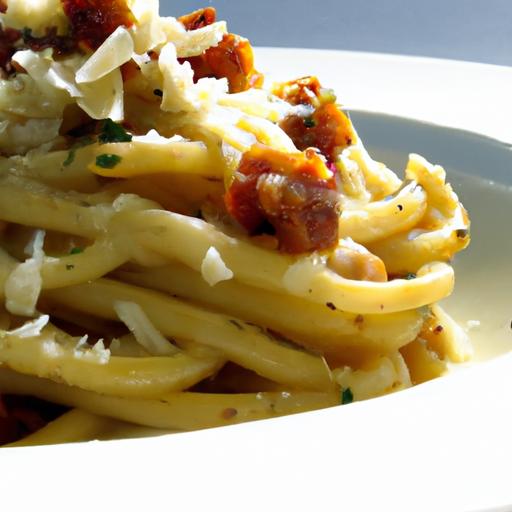

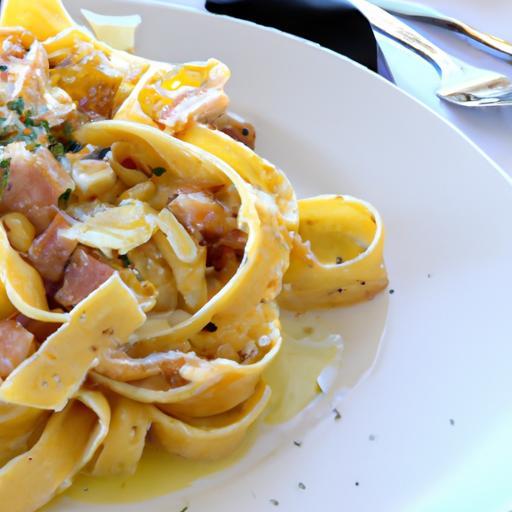
In the world of classic Italian cuisine, few dishes capture the heart and soul of Rome quiet like carbonara. its creamy, comforting embrace and simple yet bold flavors have made it a timeless favorite across the globe. But beneath its seemingly effortless appearance lies an art form-one that demands respect for tradition, precision in technique, and an understanding of authentic ingredients. Welcome to “mastering Carbonara: The Ultimate Authentic Recipe Guide,” where we unravel the secrets behind this iconic dish. Whether your a seasoned cook or a curious foodie, prepare to embark on a flavorful journey that will elevate your kitchen skills and bring a true taste of Italy to your table.
Mastering carbonara starts with an understanding of how selecting fresh, quality ingredients transforms a humble pasta dish into a luxurious experience. This classic Roman favorite captivates with its silky sauce and comforting warmth, all without the complexity of excessive ingredients. Although often associated with pork products, the true magic lies in crafting an authentic version that celebrates simplicity and purity, free from conventional pork, yet equally satisfying and refined.
Prep and Cook Time
- Prep Time: 10 minutes
- Cook Time: 15 minutes
- Total Time: 25 minutes
Yield
Serves 4 generous portions
Difficulty Level
Medium – Perfect for home cooks ready to elevate their pasta game with finesse
Ingredients
- 400g (14 oz) high-quality spaghetti or bucatini
- 150g (5 oz) guanciale substitute – smoked beef cheek or turkey bacon, diced
- 3 large fresh egg yolks
- 1 large whole egg
- 1 cup (100g) finely grated Pecorino Romano cheese
- Freshly cracked black pepper, to taste
- Salt, for pasta water
Instructions
- Bring a large pot of salted water to a rolling boil. Add pasta and cook until just shy of al dente (about 1 minute less than package instructions). Reserve 1 cup of pasta water; then drain the pasta.
- While the pasta cooks, prepare the sauce base. In a large skillet over medium heat, sauté your guanciale substitute slowly until golden and crispy, about 5-7 minutes.Stir occasionally to ensure even cooking without burning.
- In a mixing bowl, whisk together the egg yolks, whole egg, and Pecorino Romano. Generously season with cracked black pepper. This mixture is the heart of your sauce and must be smooth without lumps.
- Remove the skillet from heat. Immediately add the drained pasta to the skillet with the crispy guanciale substitute, tossing gently to coat in rendered fat.
- Slowly pour the egg and cheese mixture over the pasta. Stir vigorously while adding reserved pasta water in small increments until the sauce reaches a creamy, silky consistency that clings beautifully to each strand.
- Adjust seasoning with black pepper to your taste. The sauce should be glossy and luscious, not curdled; if it thickens too fast, a splash more warm pasta water will help restore smoothness.
- Serve immediately. For an extra touch, garnish with a sprinkle of Pecorino and a twist of fresh black pepper.
Tips for Success: Unlocking the secrets to Silky Smooth Sauce Texture
- temperature control is essential: Always remove your pan from direct heat before adding the egg mixture to avoid scrambling.
- Use the reserved pasta water: Its starch content acts as a natural emulsifier, giving your sauce that signature creaminess without cream.
- Quality cheese matters: Pecorino Romano offers tangy sharpness – grate it fresh for best melting and flavor integration.
- Selecting your pork-free substitute carefully: Smoked beef cheek mimics guanciale’s fat richness better than bacon alternatives that can overpower.
- Work quickly: Toss pasta and sauce immediately to lock in silkiness before the eggs set too firmly.
common Pitfalls and Traditional Techniques to Embrace
Unlike the popular myth, carbonara’s delicate sauce is not achieved by slow simmering or heavy cream. The authentic technique entails harnessing residual heat and tossing pasta vigorously to transform eggs and cheese into an emulsified cloak of flavor. Avoid adding cream or letting your eggs hit high temperatures – this leads to a grainy texture rather than the iconic smoothness.
One frequent misstep is under-seasoning the water for pasta; adequately salted water enhances every bite. Similarly, skipping the reserved pasta water removes the key element that binds sauce and noodles effortlessly.
Expert Tips for Serving and Pairing Your Carbonara Like a Pro
Present your dish in shallow bowls for an inviting rustic look. A fresh grind of black pepper on top adds both aroma and visual appeal.For garnish, finely chopped flat-leaf parsley not only brightens flavors but elevates the plate’s color contrast.
Pair this carbonara with a crisp green salad with lemon vinaigrette to balance its richness. A sparkling water with a twist of citrus cuts through the creamy texture and refreshes the palate elegantly. For wine lovers, a dry white like Pecorino or an Italian Verdicchio complements beautifully without overshadowing the dish’s subtle nuances.

| Nutrient | Per Serving |
|---|---|
| Calories | 560 kcal |
| Protein | 26 g |
| Carbohydrates | 65 g |
| fat | 18 g |
Elevate your home cooking by exploring our Italian Pasta recipes for more inspiring dishes grounded in tradition.
For deeper insight into pasta sauce emulsification, visit serious Eats, a treasure trove of culinary wisdom.
Q&A
Q: What makes a carbonara truly authentic?
A: Authentic carbonara is all about simplicity and quality-using just a few key ingredients that harmonize perfectly. Traditionally, it features eggs, Pecorino Romano cheese, freshly ground black pepper, and a type of guanciale-free cured meat substitute, combined with al dente pasta.The magic lies in the creamy, silky sauce created by carefully mixing eggs and cheese off the heat, avoiding any cream or heavy sauces.
Q: If I can’t use traditional cured pork, what’s a great alternative for carbonara?
A: to keep your carbonara both flavorful and true to its spirit, try using smoked turkey bacon or thinly sliced smoked chicken breast.These options offer a smoky, savory profile without relying on pork. The key is to crisp the substitute gently to build that essential texture contrast and depth of flavor.
Q: How do I achieve the perfect creamy sauce without adding cream?
A: The secret is timing and temperature control. Once your pasta is al dente and hot, you toss it quickly with a mixture of beaten eggs and finely grated Pecorino Romano off the heat.The residual heat cooks the eggs gently, creating a luscious, silky sauce that clings beautifully to every strand of pasta without scrambling.
Q: What pasta shape is ideal for carbonara?
A: While spaghetti is the classic choice, feel free to experiment with bucatini or rigatoni. Their hollow or ridged shapes help trap the creamy sauce, enhancing each bite. The essential factor is that your pasta holds the sauce well and carries the flavors elegantly.
Q: Can I prepare carbonara ahead of time?
A: Carbonara is best enjoyed fresh as the sauce is delicate and temperature-sensitive. Though, if you need to prepare in advance, keep cooked pasta and the egg-cheese mixture separate until ready to serve. When combining, use gentle heat and swift tossing to revive the creamy texture without cooking the eggs too much.
Q: How meaningful is the cheese in carbonara, and what should I use?
A: Cheese is a vital player in carbonara’s flavor symphony. Pecorino Romano is traditional, prized for its sharp, tangy profile that cuts through richness beautifully. For a milder twist, you can blend Pecorino with aged Parmigiano-Reggiano, but avoid softer cheeses, which won’t melt smoothly into the sauce.
Q: What are some common mistakes to avoid when making carbonara?
A: The biggest traps are overheating the eggs-resulting in scrambled curds instead of a creamy sauce-and tossing cold pasta, which won’t gently cook the eggs. Also, over-salting the dish can overpower the subtle balance; remember, both cheese and meat alternatives bring saltiness, so taste as you go.
Q: Is it possible to make carbonara vegetarian without losing flavor?
A: Absolutely! swap the meat component with sautéed mushrooms or caramelized onions to add umami richness. Incorporate toasted nuts like pine nuts or walnuts for a subtle crunch and depth. The harmony of eggs, cheese, and black pepper still shines through, proving that carbonara’s soul is in the sauce.
Q: How do black pepper and eggs complement each other in carbonara?
A: Black pepper provides a spicy, aromatic kick that cuts through the creamy, rich texture of the eggs, adding complexity and warmth.The pepper’s earthiness balances the dish,ensuring every bite feels lively and layered rather than heavy or one-dimensional.
Q: Can I use other types of cheese if Pecorino Romano isn’t available?
A: If Pecorino Romano is out of reach, opt for aged Parmigiano-Reggiano as your next best option. Its nutty, savory character works well to deliver depth. Mixing both cheeses can also create a nuanced flavor profile. Avoid any fresh or soft cheeses to maintain the sauce’s perfect consistency.
Wrapping Up
As you close this guide to mastering carbonara, remember that true authenticity lies not just in the ingredients, but in the care and passion you bring to the skillet. With every sizzle of guanciale and every whisked egg, you’re not just cooking-you’re honoring a timeless Roman tradition. Now,equipped with knowledge and technique,go forth and create carbonara that’s rich,velvety,and unmistakably authentic. Buon appetito!