
There’s something almost magical about the perfect poached egg-the delicate, tender white embracing a luscious, runny yolk that spills golden warmth at the first forkful. Yet, achieving that flawless balance has long been the culinary Everest for home cooks, requiring patience, precision, and often a bit of luck. Enter the microwave: a speedy, surprisingly effective ally ready to transform how we poach eggs. In this article, we’ll unravel the secrets of “Microwave Magic,” revealing how you can whip up restaurant-quality poached eggs in mere minutes.say goodbye to simmering water and hello to speedy, convenient, and consistently delicious results that bring breakfast brilliance to your busy mornings.
The Science Behind Microwave Poaching Unlocking the secrets to Perfect Texture and Consistency Choosing the Right Microwave-Safe Tools for Seamless Egg Poaching Expert Tips for Quick Flavor Boosts and Presentation Flair
Microwave Magic is a revelation for any kitchen enthusiast aiming to poach the perfect egg fast without fuss. This ingenious technique harnesses the precise control of microwave heat to swiftly cook eggs while preserving that coveted delicate texture and luscious, barely set whites encasing a silky yolk. Rooted in the science of rapid water heating and steam generation, microwave poaching transforms a simple egg into a gourmet delight in mere minutes.
Prep and Cook Time
- Preparation Time: 2 minutes
- Cooking Time: 45-60 seconds
- total Time: Approximately 5 minutes including resting
Yield
Serves 1 poached egg per serving (multiply as desired)
Difficulty Level
Easy – Perfect for all skill levels, especially for busy mornings or quick meals
Ingredients
- 1 large fresh egg
- 1/2 cup water (preferably filtered)
- 1 tsp white vinegar (optional, helps egg whites coagulate faster)
- Salt and freshly ground black pepper, to taste
- Optional fresh herbs (chopped chives, parsley, or dill) for garnish
Instructions
- Select a microwave-safe poaching dish or a small ceramic ramekin. Ensure the container has a lid or cover it snugly with microwave-safe plastic wrap to retain steam, which is essential for even cooking.
- Pour 1/2 cup of water into the dish and stir in 1 teaspoon of white vinegar. The vinegar helps the egg white set quickly, yielding a neater poach.
- Crack the egg gently into the water without breaking the yolk.Use fresh eggs for the best poach as the whites hold together more firmly.
- Cover the ramekin tightly with its lid or plastic wrap. If using wrap,pierce one small hole to release excess steam safely.
- Microwave on high power for 45 seconds and then check doneness. If the white is still too soft, continue microwaving in 10-second intervals until it’s just set and the yolk remains runny.
- Remove carefully (handle may be hot) and use a slotted spoon to lift the egg out of the water, allowing excess water to drain.
- Season immediately with salt and black pepper, then garnish with fresh herbs or a sprinkle of smoked paprika for a quick flavor boost and attractive color contrast.
Tips for Success
- Use room temperature eggs to reduce cooking time variance and improve texture.
- Adjust cooking time based on your microwave’s wattage.Higher watt microwaves will cook faster-experiment with small increments to avoid overcooking.
- Choose a deep, narrow vessel instead of a wide shallow one to help the egg white maintain shape and prevent spreading.
- For multiple eggs, use individual containers rather than one large one to ensure even cooking and ease of removal.
- Use filtered water to avoid any off-flavors and achieve a pristine egg taste.
- If the egg white appears bubbly or overcooked, reduce power or cooking time to avoid rubbery texture.
- Try topping the poached egg with a drizzle of chili oil, a dusting of parmesan, or freshly cracked peppercorns to elevate flavor instantly.
Choosing the Right Microwave-Safe Tools for Seamless Egg Poaching
Investing in a quality microwave-safe poacher tailored for eggs ensures consistently lovely results. Ideal materials include ceramic or Borosilicate glass, both of which distribute heat evenly and resist cracking. Avoid metals or plastics that are not explicitly labeled microwave-safe to prevent hazards and uneven heating. A tight-fitting lid is crucial for trapping steam, which cooks the egg gently and uniformly.
Serving Suggestions
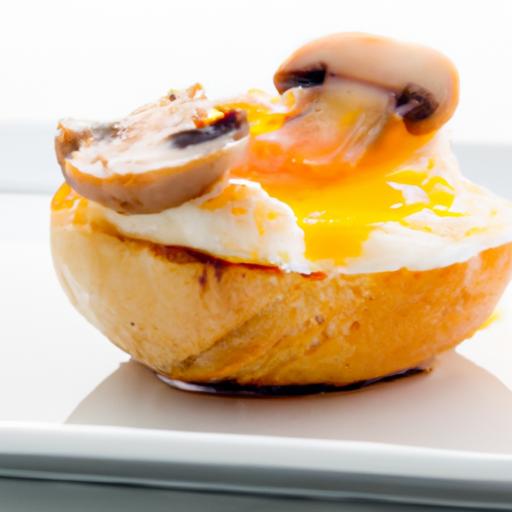
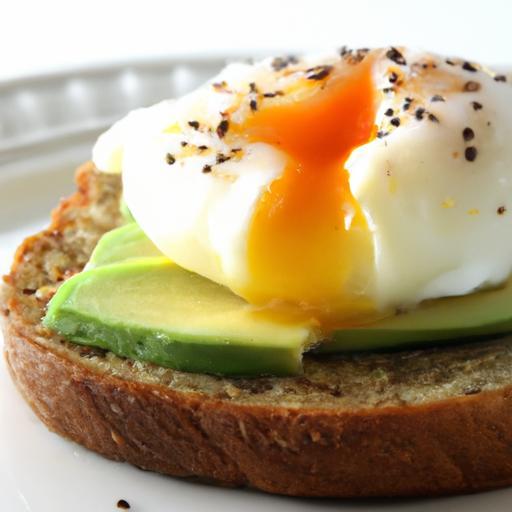
Present your perfectly poached egg atop lightly toasted sourdough or a bed of sautéed spinach for a nourishing breakfast or elegant brunch. Garnish boldly with microgreens, a pinch of smoked sea salt, and a whisper of cracked black pepper. For a splash of vibrant color,scatter diced roasted tomatoes or avocado slices around the egg. Pair it with a drizzle of herb-infused olive oil or a dab of tangy hollandaise to elevate every bite.

| Nutrient | per Serving |
|---|---|
| Calories | 70 kcal |
| protein | 6 g |
| Carbohydrates | 0.5 g |
| Fat | 5 g |
For a deeper dive into kitchen techniques, check out our related guide on Healthy Breakfast Ideas to Kickstart Your Morning. To understand the scientific principles of egg cooking in more detail,visit ScienceDaily’s complete article on egg cooking science.
Q&A
Q&A: Microwave Magic – How to Poach the Perfect Egg Fast
Q1: Why poach eggs in the microwave instead of the customary stovetop method?
A: Microwave poaching is the ultimate shortcut for busy mornings or lazy brunches. It’s faster, less messy, and uses minimal equipment-just a microwave-safe cup or bowl and a few simple ingredients. Plus, it helps avoid the sometiems tricky swirling water technique on the stove, making poaching accessible to anyone, even kitchen novices.
Q2: How do you prevent the egg white from exploding or creating a mess in the microwave?
A: The secret lies in piercing the yolk gently with a toothpick or fork before cooking and not overheating the egg. Covering the container with a microwave-safe lid or plate traps steam and ensures even cooking. Also, a splash of vinegar in the water helps the egg white coagulate quickly, preventing those wild, wispy whites from making a mess.
Q3: What’s the ideal cooking time and power setting for microwave poaching?
A: Every microwave is a bit different, but start with 45-60 seconds on medium to high power. If the egg isn’t done, continue in 10-second increments. The yolk should be set on the edges but still runny inside-a perfect balance of tender whites and luscious centers.Q4: Can you poach multiple eggs at once in the microwave?
A: You can, but it’s best to poach each egg individually to maintain perfect control over cooking times and avoid crowding. If multitasking is necessary, use separate small containers for each egg to ensure uniform cooking without them sticking together.
Q5: What water-to-egg ratio works best?
A: about half a cup of water per egg in a microwave-safe container is ideal. The egg should be submerged but not swimming-enough to allow gentle poaching without floating away. Adding a teaspoon of vinegar further helps the egg hold together beautifully.
Q6: how do you remove the poached egg from the container without breaking it?
A: Use a slotted spoon or a small spatula to carefully lift the egg from the water.Gently shake off excess water before plating. Patience is key-rushing can cause the tender egg to lose shape,but with practice,it becomes second nature.
Q7: Are there creative ways to serve microwave-poached eggs?
A: Absolutely! Serve atop avocado toast sprinkled with chili flakes and fresh herbs, or nestle them in a bowl of garlic sautéed spinach and mushrooms. For a refreshing twist, place poached eggs on a bed of chilled quinoa salad or drizzle with a vibrant pesto sauce. The quick poach method keeps the egg soft enough to meld beautifully with all sorts of flavors.
Q8: Is it safe to microwave eggs like this?
A: Yes, provided that you follow proper timings and use microwave-safe containers. The quick cooking method ensures the egg reaches safe temperatures while preserving that luscious texture. Always use fresh eggs for the best taste and safety.
Q9: Can other ingredients be added to the poaching water?
A: Vinegar is the top pick, but a pinch of salt can also be added to enhance flavor. Avoid adding strong-flavored liquids like broth that might interfere with the delicate egg taste. Keep it simple and let the egg be the star!
Q10: Any tips for mastering microwave poached eggs on the first try?
A: Start with room-temperature eggs, use a clean container, and cover it tightly.Remember to pierce the yolk gently, and don’t rush the timing-microwaves vary greatly, so adjust in small increments until you find your sweet spot. With each try, you’ll uncover your own microwave poaching magic!
To Wrap It Up
With just a few simple steps and the trusty power of your microwave, perfectly poached eggs no longer require careful watchfulness or a gentle simmer. This “microwave magic” transforms a classic kitchen challenge into a speedy, foolproof ritual-delivering tender whites and luscious yolks in minutes. So next time you crave that silky poached egg atop toast, salads, or bowls, remember: the secret to breakfast brilliance might be sitting right inside your microwave. Poach on, and enjoy every effortless, egg-cellent bite!