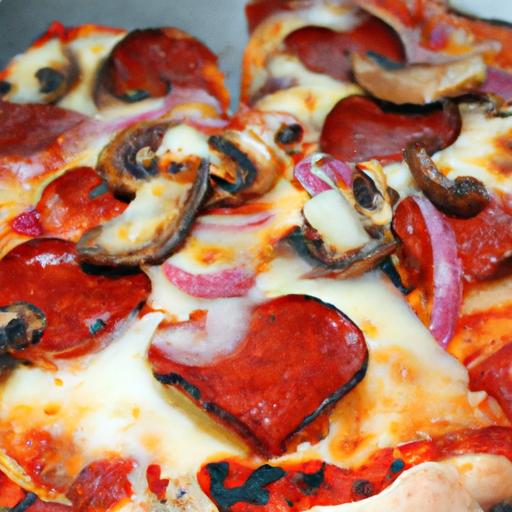

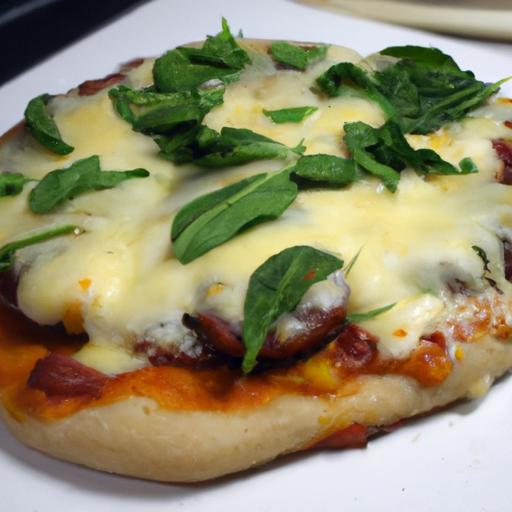
There’s something magical about pulling a piping-hot pizza fresh from the oven-the golden, crisp crust; the bubbling, melted cheese; the vibrant, savory toppings all harmonizing in every bite. While ordering takeout is easy, crafting the perfect homemade pizza transforms a simple meal into a creative adventure. Whether you’re a kitchen novice or a seasoned cook, mastering the art of pizza-making unlocks endless delicious possibilities tailored exactly to your taste. In this article, we’ll guide you through foolproof recipes, expert tips, and inspiring ideas that will help you create mouthwatering pizzas from scratch-delighting your family and impressing your friends with every slice. Get ready to roll up your sleeves and bring pizzeria-quality pies straight from your own oven!
Choosing the Ideal Dough for Crispy and Flavorful Crusts
Crafting Perfect Homemade pizzas begins with the foundation: dough. Achieving that coveted balance between a crispy, golden crust and a tender, flavorful interior requires selecting the right dough and mastering its preparation. When you combine a thoughtfully mixed dough with skillful kneading and proper fermentation, you unlock the potential for restaurant-quality textures in your own kitchen.
Start with high-protein flour like bread flour or “00” flour to build gluten strength, which offers the elasticity and chew that define artisan-style crusts. Hydration levels between 60-65% (water to flour ratio) create a dough that crisps beautifully without drying out. For extra flavour, the magic lies in a slow, cold fermentation lasting 24 to 72 hours – this deepens complexity and results in an irresistible crust aroma and colour.
Mastering Sauce Blends that Elevate Every Slice
The sauce is more than a base; its a flavor powerhouse. Crafting Perfect homemade Pizzas means blending acidity, sweetness, and herbs in harmony. Use canned San Marzano tomatoes for vibrant,naturally sweet and tangy flavor; crush them gently to preserve a fresh texture. Add a hint of garlic, fresh basil, and oregano with a dash of sea salt and a pinch of sugar to round out the profile. Avoid overloading the crust-think of the sauce as a delicate brushstroke that accentuates rather than overwhelms the toppings.
Selecting and Layering Toppings for Balanced Taste and Texture
When it comes to toppings, less is always more. Slicing vegetables uniformly and pre-cooking moisture-heavy options like mushrooms or artichokes ensures your crust stays crisp. For vibrant contrast, combine tender roasted red peppers with creamy fresh mozzarella and a sprinkle of aged parmesan. Layering toppings thoughtfully-starting with cheese, then vegetables, and finishing with fresh herbs or a drizzle of high-quality olive oil-creates an orchestrated bite that delights every sense.
Baking Techniques to Achieve Restaurant-Quality Pizzas at Home
A piping-hot oven is your finishing key. Home ovens rarely reach the 900°F of professional pizza ovens, but you can mimic this by using a preheated pizza stone or steel on the highest rack setting. Let your pizza dough rest at room temperature right before baking to relax gluten,allowing better rise and crisping. Bake for 8-12 minutes, rotating once for even browning. Watch for bubbling cheese and perfectly charred spots on the crust edges-a hallmark of expertly baked pizza. A final finish under the broiler for 1-2 minutes can caramelize toppings and deliver that irresistible, golden top layer.
Prep and Cook Time
- Prep Time: 20 minutes (plus dough fermentation time of 24-72 hours)
- Cook Time: 10-12 minutes
Yield
- Serves 4 delicious slices per 12-inch pizza
Difficulty Level
- Medium: Requires dough handling and baking timing
Ingredients
- 2 ½ cups bread flour (or “00” flour), sifted
- 1 cup warm water (about 75°F/24°C)
- 1 tsp active dry yeast
- 1 tsp fine sea salt
- 1 tbsp olive oil
- 1 cup canned San Marzano tomatoes, crushed gently
- 2 cloves garlic, finely minced
- Handful fresh basil leaves, torn
- 1 tsp dried oregano
- 1 pinch sugar
- 8 oz fresh mozzarella, sliced
- 1/2 cup sliced mushrooms, lightly sautéed
- 1/4 cup grated aged parmesan
- Extra virgin olive oil, for drizzling
Instructions
- Activate the yeast: In a small bowl, combine warm water and yeast, stirring gently. Let it sit for 5-7 minutes until foam forms on top, indicating the yeast is alive.
- Mix the dough: In a large bowl, combine flour and salt. Create a well in the centre and add the olive oil and yeast mixture. Stir gently with a wooden spoon, then knead in the bowl until a rough dough forms.
- Knead the dough: Transfer to a floured surface and knead for 8-10 minutes until smooth, elastic, and slightly tacky. Tips: If dough sticks excessively, sprinkle a little flour, but avoid over-adding to keep hydration.
- Ferment the dough: Place dough in a lightly oiled bowl, cover with plastic wrap or a damp towel, and refrigerate for at least 24 hours (up to 72 hours) for deep fermentation and flavor advancement.
- Prepare the sauce: while the dough ferments, mix crushed tomatoes, garlic, basil, oregano, salt, and a pinch of sugar in a bowl. Let rest for flavors to meld.
- Preheat the oven: At least 45 minutes before baking, preheat your oven to its highest setting (475-500°F/246-260°C) with a pizza stone or steel on the middle rack.
- Shape the dough: Remove dough from fridge 1 hour before baking to warm slightly. On a floured surface, gently stretch it into a 12-inch circle, leaving a thicker edge for crust. Avoid rolling pins to retain air bubbles.
- Assemble the pizza: Spread a thin layer of sauce over the dough, leaving an inch border. Distribute sliced mozzarella evenly, add sautéed mushrooms, then sprinkle parmesan last.
- Bake: Transfer pizza to the hot stone/steel using a pizza peel dusted with semolina flour. Bake for 8-10 minutes, rotating halfway for even browning.
- Finishing touches: Optionally, broil for 1-2 minutes if needed for extra color. Drizzle with olive oil and scatter fresh basil leaves just before serving.
Tips for Success
- For an ultra-crispy crust,add a tablespoon of semolina flour to your work surface for shaping; it won’t absorb moisture like all-purpose flour.
- Pre-sauté toppings like mushrooms or bell peppers to reduce moisture and deepen flavor.
- If dough shrinks during shaping,let it rest for 10 minutes to relax gluten,then continue gently stretching.
- Use a pizza peel generously dusted with flour or cornmeal to prevent sticking during transfer.
- Make dough ahead and freeze in portions; thaw in the fridge overnight before baking.
Serving Suggestions
Serve your pizza fresh and hot, slicing into generous wedges. garnish with a sprinkle of chili flakes or a pinch of flaky sea salt to awaken the flavors. Pair with a simple arugula salad tossed in lemon and olive oil for a refreshing contrast.For an extra touch of elegance, drizzle with balsamic glaze or add fresh herbs like oregano or thyme. Enjoy with sparkling water or a cold, crisp non-alcoholic beverage to keep palate cleanses happening between bites.
| Nutrition per Slice (approx.) | Calories | Protein | Carbs | Fat |
|---|---|---|---|---|
| 1 slice (of 8) | 280 kcal | 12 g | 30 g | 10 g |

Discover more about sauce blends that bring out every flavor or visit serious Eats’ dough tutorial for expert techniques.
Q&A
Q&A: Crafting Perfect Homemade pizzas: Delicious Recipes Inside
Q1: What’s the secret to making the perfect pizza dough at home?
A1: the secret lies in simplicity and patience. Use high-quality flour-such as bread or 00 flour-warm water, yeast, a pinch of salt, and a drizzle of olive oil. Knead until smooth, then let the dough rise slowly, ideally for at least 1 to 2 hours. This slow fermentation develops flavor and gives the dough a perfect chewy texture. For an extra boost, refrigerate the dough overnight to let it ferment even more deeply.
Q2: How can I achieve a crispy yet tender crust without a pizza oven?
A2: The key is high heat and proper technique! Preheat your oven to its highest temperature-usually around 500°F (260°C)-and use a pizza stone or an inverted baking sheet.This mimics the intense heat of a pizza oven, creating a crispy bottom. Stretch the dough thin, but not too thin, and avoid overloading your toppings to keep the crust crisp yet tender.
Q3: What are some delicious sauce alternatives to classic tomato sauce?
A3: While the traditional tomato base is a staple, experimenting with alternatives adds exciting twists. try a creamy garlic white sauce, a vibrant pesto made from fresh basil or sun-dried tomatoes, or even a smoky roasted red pepper sauce. Each offers a unique flavor profile that pairs beautifully with diverse toppings.
Q4: How do I balance toppings for optimal flavor and texture?
A4: Less is more when it comes to toppings. You want a harmonious blend rather than a crowded, soggy mess. Start with a base sauce,add a modest amount of cheese that melts well like mozzarella or provolone,and layer 2-3 complementary toppings. Consider texture contrasts-crunchy veggies like bell peppers or arugula,tender mushrooms,and a sprinkle of fresh herbs bring your pizza to life.
Q5: Can I make gluten-free pizza dough at home that tastes as good as the classic version?
A5: Absolutely! Gluten-free doughs require a blend of gluten-free flours like rice flour, tapioca starch, and almond flour, combined with xanthan gum to mimic elasticity. Although the texture differs from wheat dough, with the right recipe and careful handling, you can bake a deliciously satisfying gluten-free pizza crust.
Q6: How crucial is cheese selection in crafting homemade pizzas?
A6: Cheese is essential for flavor and meltability. Mozzarella is a classic choice for its creamy melt and mild taste, but don’t shy away from blending in sharper cheeses like fontina, gouda, or aged cheddar for complexity. Fresh cheeses like ricotta or goat cheese add creamy pockets that elevate the overall texture.
Q7: What tips help create visually stunning pizzas that taste as good as they look?
A7: Use vibrant, fresh ingredients and cut toppings uniformly for even cooking and eye appeal. layer toppings thoughtfully, allowing colors to peek through. Finish with a drizzle of high-quality olive oil, a sprinkle of fresh basil or oregano, and a pinch of flaky sea salt after baking. This final touch not onyl boosts flavor but also ensures your pizza looks irresistible.
Q8: How can I store leftover pizza to preserve its flavor and texture?
A8: Store leftover pizza in an airtight container in the fridge for up to 3 days. When reheating, avoid the microwave if you want to maintain crispiness-rather, warm slices in a skillet over medium heat or in a preheated oven at 375°F (190°C) for 5-7 minutes. This reheating method refreshes the crust and melts the cheese beautifully.
Enjoy your pizza-making adventure and remember: the best homemade pizza combines quality ingredients, patience, and a sprinkle of creativity!
Key Takeaways
As you embark on your homemade pizza adventure, remember that the perfect pie is as much about joy and creativity as it is indeed about technique. Whether you prefer a classic Margherita or an adventurous medley of unexpected toppings,each slice is a canvas waiting for your personal touch. With these recipes in hand and your oven warmed up, you’re ready to turn simple ingredients into a mouthwatering masterpiece.So gather your favorite flavors, roll out that dough, and let your kitchen become the birthplace of delicious memories-one perfect pizza at a time.