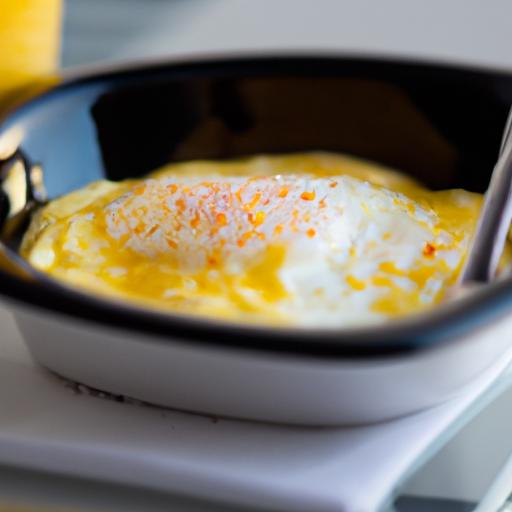


There’s something undeniably magical about the humble egg-a staple so versatile it effortlessly adapts from breakfast classics to gourmet delights. Yet, despite its simplicity, perfectly poaching an egg often feels like an elusive culinary feat reserved for seasoned chefs. Enter the microwave egg poacher: a modern marvel designed to demystify this delicate art and bring convenience straight to your kitchen countertop. In this article, we’ll crack the code on using a microwave egg poacher with simple, foolproof tips that guarantee silky, tender poached eggs every time.Say goodbye to water baths and messy pans, and hello to quick, easy egg perfection!
Crack the Code: Simple Tips for Using a Microwave Egg Poacher unlocks the secret to effortlessly creating perfectly poached eggs that rival your favorite café.This ingenious kitchen gadget transforms breakfast, making it quick, mess-free, and incredibly satisfying. Weather you’re rushing a busy morning or just craving a tender egg at midday, mastering your microwave egg poacher will elevate your meal with minimal fuss.
prep and cook Time
- Preparation: 3 minutes
- Cooking: 50-60 seconds
- Total Time: Approximately 5 minutes
Yield
Serves 1-2 perfect poached eggs depending on the poacher’s capacity.
Difficulty Level
Easy. Ideal for beginners and busy cooks seeking fast, flawless poached eggs.
Ingredients
- 2 large fresh eggs (preferably farm-fresh or organic for best flavour and texture)
- 2 tablespoons water
- Pinch of salt
- Freshly ground black pepper, to taste
- Optional: 1 teaspoon white vinegar (helps egg whites coagulate faster)
- butter or olive oil, for greasing the poacher cups
Step by Step Guide to Mastering Microwave Egg Poaching
- Prepare your microwave egg poacher by lightly greasing each cup with butter or olive oil to prevent sticking and enhance flavor.
- crack one egg gently into each cup, ensuring the yolk remains intact. Add 1 tablespoon of water to each cup; this creates the perfect steam surroundings for poaching.
- Season the eggs lightly with salt and pepper. If desired, add a few drops of white vinegar to the water to help firm the egg whites.
- Cover the poacher with its microwave-safe lid or plastic wrap (pierced to vent steam) to trap moisture and achieve tender whites.
- Microwave on high power for 45-60 seconds. Microwaves vary,so start with 45 seconds,then continue in 5-second increments to your preferred doneness. The whites should be set, and yolks soft but not runny unless you prefer or else.
- Let the eggs rest covered for 30 seconds after cooking to complete the poaching process gently with residual heat.
- Use a small spoon or spatula to carefully lift the eggs from the cup. Serve immediately for the best texture and flavor experience.
Troubleshooting Common Issues and Achieving Consistency
- Rubbery whites: Reduce microwave time by 5-10 second intervals; overcooking causes firmness.
- Undercooked egg whites: Increase cooking time gradually, ensuring your poacher lid is secure to keep moisture in.
- Broken yolks: Break eggs gently and avoid swirling the cups before cooking.
- Water overflow or dry eggs: Add exactly 1 tablespoon of water per egg to maintain steam without excess.
- Uneven cooking: Place poacher in the center of your microwave and avoid crowding to allow even microwaving.
Choosing the Right Eggs and Ingredients to Enhance Flavor
Fresh eggs from local markets or organic sources ensure firm whites and shining yolks, crucial for that silky poach. To enhance flavor, lightly season with freshly cracked black pepper and sea salt after cooking. Incorporating herb-infused butter or drizzle of olive oil can add layers of richness. For a subtle tang, try a splash of lemon juice or a sprinkle of fresh herbs like chives or dill right before serving.
Tips for Success
- Use eggs at room temperature to shorten cooking time and improve texture.
- Always grease the poacher cups to prevent sticking and create a delicate crust on the egg whites.
- Cover the poacher securely to trap steam, which gently cooks the eggs and prevents rubberiness.
- Experiment with microwave power settings; a lower wattage might require slightly longer cooking.
- Make ahead by poaching eggs just until whites set and refrigerating; reheat gently with a splash of water in the microwave before serving.
Serving Suggestions
Present your perfectly poached eggs atop toasted whole-grain bread or a fresh English muffin. Garnish with finely chopped herbs such as parsley or tarragon, a sprinkle of smoked paprika, and a light drizzle of extra virgin olive oil. They also shine crowned on avocado slices or nestled in a vibrant salad for a nutrient-packed meal. Pair with ripe cherry tomatoes or sautéed spinach for a balanced, colorful plate that delights both the eye and palate.

| Nutrient | Per 2 Eggs |
|---|---|
| Calories | 140 kcal |
| Protein | 12 g |
| Carbohydrates | 1 g |
| Fat | 9.6 g |
For more ways to elevate your breakfast game, check out our guide to avocado toast variations. For expert kitchen tips on poaching eggs traditionally, visit serious Eats’ complete egg poaching guide.
Q&A
Q: What is a microwave egg poacher, and why should I use one?
A: A microwave egg poacher is a handy kitchen gadget designed to help you quickly and easily make perfectly poached eggs with minimal fuss. It uses steam and microwave heat to cook the eggs gently, delivering tender whites and luscious yolks in just minutes. If you love eggs but dread the customary poaching mess and monitoring, this tool is a game-changer.
Q: How do I prepare my microwave egg poacher before adding eggs?
A: Start by rinsing the poacher with warm water to remove any dust or residue. Then, add the right amount of water as per the poacher’s instructions-usually a tablespoon or two at the bottom to create steam.Lightly grease the egg cups with a bit of oil or non-stick spray if you want to make releasing the eggs easier after cooking.
Q: Can I poach more than one egg at a time?
A: Absolutely! Moast microwave egg poachers come with multiple compartments, allowing you to poach two or even three eggs simultaneously. just be sure each egg has its own space, and add water according to the total number of eggs you’re cooking to maintain perfect steam balance.
Q: What’s the best tip for timing to get a perfectly poached egg?
A: Microwave wattages vary, so it’s best to start with the manufacturer’s recommended times and adjust from there. Typically, poaching takes between 40 seconds to 1 minute 30 seconds. start with 50 seconds for a runny yolk and add 10-second increments if you prefer firmer whites. Keep an eye on the process to avoid overcooking.
Q: Is it okay to pierce the egg yolk before poaching?
A: Unlike traditional stovetop methods where piercing might be suggested,it’s best to leave the yolk intact in the microwave poacher. This helps maintain the yolk’s creamy texture and prevents it from leaking into the water beneath during cooking.
Q: How can I add flavor to my poached eggs in a microwave poacher?
A: Spice up your poach by adding a pinch of salt, pepper, or smoked paprika on top of the egg before cooking. You can also mix in freshly chopped herbs like chives or parsley after cooking. For a burst of zest, a few drops of fresh lemon juice or a sprinkle of chili flakes post-poach works wonders.
Q: Are microwave egg poachers easy to clean?
A: Yes! Most poachers are made from dishwasher-safe silicone or plastic. A quick rinse under warm water with mild soap usually does the trick. To prevent stubborn egg bits from sticking, soak the poacher in warm water immediately after use before washing.
Q: can I reuse the same water when making multiple batches?
A: It’s best to refresh the water each time you poach eggs to ensure consistent steam production and avoid any off flavors. Clean water helps your eggs cook evenly and taste fresh.
Q: Do microwave egg poachers work with other types of eggs?
A: While chicken eggs are the most common, you can experiment with quail or duck eggs as well. Just note that smaller eggs will require less cooking time, while larger or extra-large eggs might take a bit longer to poach perfectly.
Q: What if I don’t have a microwave egg poacher-any quick alternatives?
A: You can mimic the effect by using a microwave-safe ramekin with a little water at the bottom. Crack the egg carefully, cover it with a microwave-safe plate, and cook in short bursts, checking frequently. However, a dedicated microwave egg poacher ensures more consistent steam and easier egg removal.
Crack the code to flawless poached eggs every time-your microwave and a trusty egg poacher are all you need to start your day sunny side up!
To Wrap It up
With these simple tips in your culinary toolkit, your microwave egg poacher will become a trusted ally in crafting perfectly cooked eggs-fast, fuss-free, and deliciously satisfying. Whether you’re racing against the morning clock or just craving a quick protein boost, cracking the code to microwave egg poaching opens up a world of breakfast possibilities. So next time hunger strikes, don’t just scramble-poach like a pro, and let your microwave do the magic. Happy cooking!