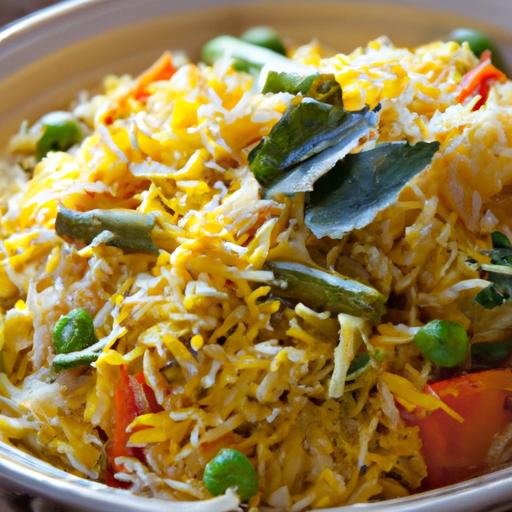


In the vibrant tapestry of global cuisine, few dishes capture the imagination quite like biryani-a mesmerizing symphony of spices, textures, and aromas. While traditionally celebrated for its rich layers of meat or seafood, the art of vegetable biryani offers a delightful twist that is both wholesome and irresistibly flavorful. “discover the Art of Flavorful Vegetable Biryani Delights” invites you on a culinary journey where fresh, garden-harvested vegetables meet fragrant basmati rice and a harmonious blend of spices. Beyond being just a meal, this vegetarian masterpiece is a celebration of color, culture, and creativity that transforms humble ingredients into a feast for the senses. join us as we unravel the secrets behind crafting vegetable biryani that’s bursting with taste, steeped in tradition, and perfect for every palate.
discover the art of flavorful vegetable biryani delights by unraveling a tapestry of ancient culinary heritage, aromatic spices, and vibrant garden-fresh produce. This iconic dish, deeply rooted in South Asian traditions, brings together layers of fragrant rice and vegetables kissed by a masterful blend of spices, creating an irresistible symphony of taste and aroma. Whether you’re a seasoned cook or an excited beginner, understanding the cultural story behind biryani will inspire you to craft a nourishing feast that honors this timeless classic.
Prep and Cook Time
- Preparation: 25 minutes
- Cooking: 40 minutes
- Total Time: 1 hour 5 minutes
Yield
Serves 4-6 hungry guests
Difficulty Level
Medium: Requires attention to layering flavors and cooking rice to perfect fluffy consistency
ingredients
- 2 cups basmati rice, rinsed and soaked for 30 minutes
- 1 cup diced carrots
- 1 cup green peas, fresh or frozen
- 1 cup diced potatoes
- 1 cup cauliflower florets
- 1 large onion, thinly sliced
- 2 large tomatoes, chopped
- 3 tablespoons ghee or vegetable oil
- 1 teaspoon cumin seeds
- 3 green cardamom pods
- 3 cloves
- 1 cinnamon stick (2-inch)
- 1 bay leaf
- 1 tablespoon ginger-garlic paste
- 1 teaspoon turmeric powder
- 1 tablespoon red chili powder (adjust to taste)
- 1.5 teaspoons garam masala
- 1 teaspoon coriander powder
- Salt to taste
- 1/4 cup chopped fresh cilantro
- 1/4 cup fresh mint leaves
- 1 cup yogurt, whisked
- 2 cups water
- Fried onions for garnish (optional)
- Juice of half a lemon
instructions
- Prepare the rice: Drain the soaked basmati rice. Bring 4 cups water to a boil in a large pot, add 1 teaspoon salt and 1 tablespoon ghee.Add the rice and cook until 70% done (the grains should still have a slight bite). Drain and set aside.
- Cook the vegetables: In a heavy-bottomed pan, heat 2 tablespoons of ghee or oil over medium heat. Add cumin seeds, bay leaf, cardamom pods, cloves, and cinnamon stick. Let them sizzle for 1 minute to release their aroma.
- Sauté onions and spices: Add sliced onions and cook until golden brown, about 7-8 minutes. Stir in the ginger-garlic paste and sauté for 2 minutes until fragrant.
- Add tomatoes and dry spices: Mix in chopped tomatoes, turmeric, red chili powder, coriander powder, garam masala, and salt. Cook until oil separates from the masala, approximately 5 minutes, stirring frequently.
- Incorporate the vegetables: Add diced carrots, potatoes, peas, and cauliflower. Stir well to coat the veggies with the spice mixture. Cook covered for 10 minutes on low heat, stirring occasionally.
- Mix in yogurt and herbs: Lower the heat and gently fold in the whisked yogurt, cilantro, and mint leaves. Simmer uncovered for an additional 5 minutes until the vegetables are tender but not mushy. Adjust seasoning if necessary.
- Layer the biryani: In a heavy pan or Dutch oven, spread half of the cooked vegetable mixture evenly. Sprinkle half of the cooked rice on top, drizzle with lemon juice, and add some fried onions if using. Repeat the layering with the remaining vegetables and rice.
- Steam cook to infuse flavors: Cover the pot tightly with a lid or dough seal. Cook on the lowest flame for 20 minutes (use a heat diffuser if available). This slow steaming, or dum cooking, allows the spices and herbs to mingle deeply with the rice.
- Rest before serving: Turn off the heat and let the biryani rest covered for 10 minutes. Gently fluff with a fork to blend the layers before serving.
Chef’s Notes & Tips for Success
- Rice choice: Using aged basmati rice elevates the dish by providing that fluffy,separate grain texture essential for biryani.
- Vegetable variations: Feel free to add bell peppers, green beans, or baby corn for added crunch and color.
- Yogurt substitution: For a dairy-free option,swap yogurt with coconut cream or a tangy cashew paste.
- Avoid sticky rice: Wash and soak rice properly,and cook it slightly underdone to preserve the characteristic biryani fluffiness.
- Dum cooking: use a heavy-lidded pot to trap steam; if unavailable, seal with aluminum foil before placing the lid.
- Make-ahead tip: You can prepare the vegetable masala a day ahead and refrigerate. Assemble and steam the biryani fresh for best aroma.
Serving Suggestions
Present your vegetable biryani on a large, vibrant platter, garnished with freshly chopped cilantro, mint sprigs, and a generous handful of crispy fried onions for texture contrast. Accompany this feast with a cooling cucumber raita or a refreshing mango chutney to balance the complex spices.A wedge of lemon on the side adds a zesty finish that brightens every bite.

| Nutrition | Per Serving |
|---|---|
| calories | 365 kcal |
| Protein | 9 g |
| Carbohydrates | 58 g |
| Fat | 8 g |
For more delightful rice dishes that pair beautifully with vegetable biryani, explore our Mint Cucumber Raita. To deepen your understanding of the origins and varieties of biryani, this Britannica article on Biryani is an excellent comprehensive resource.
Q&A
Q&A: Discover the Art of Flavorful Vegetable Biryani Delights
Q1: What makes vegetable biryani stand out among other rice dishes?
A1: Vegetable biryani is a symphony of fragrant spices, vibrant vegetables, and perfectly cooked basmati rice.Its layered cooking technique infuses each grain with tantalizing flavors and aromas,creating a dish that’s both visually stunning and deeply satisfying. Unlike simpler rice dishes, biryani combines textures, colors, and spices in a way that transforms humble ingredients into a majestic feast.
Q2: Which vegetables work best to create an authentic vegetable biryani?
A2: The beauty of vegetable biryani lies in its versatility,but traditionally,vegetables like carrots,green peas,beans,cauliflower,potatoes,and bell peppers shine the brightest. These vegetables not only provide texture and color but also absorb the spices beautifully, enhancing the overall taste experience with each bite.
Q3: How do spices influence the flavour profile of vegetable biryani?
A3: Spices are the heart and soul of biryani. Whole spices like cardamom, cloves, cinnamon, and bay leaves release aromatic oils that gently perfume the rice. Ground spices such as turmeric, coriander, and red chili powder add warmth and depth. When combined thoughtfully,these spices create a layered complexity-earthy,sweet,and mildly spicy-that defines the character of vegetable biryani.
Q4: What cooking techniques are essential for mastering vegetable biryani?
A4: Mastery of vegetable biryani hinges on the art of layering and patience. First, vegetables and spices are lightly sautéed to coax out their flavors. Then partially cooked rice is gently layered over them. The dish is sealed and slow-cooked, or “dum” cooked, allowing steam to mingle and intensify the flavors. This slow melding of ingredients is what elevates biryani from a simple stir-fry rice to a rich, aromatic delight.
Q5: Are there any tips for achieving perfectly fluffy rice in vegetable biryani?
A5: Absolutely! Rinsing the basmati rice several times before cooking removes excess starch, preventing stickiness. Soaking the rice for about 30 minutes helps the grains cook evenly. When parboiling, it’s crucial to stop the cooking just as the grains are tender but still firm to the bite, so thay won’t overcook during the dum process. Using water seasoned with whole spices can also infuse extra fragrance into the rice.
Q6: Can vegetable biryani be made ahead of time? If so, how should it be stored?
A6: Vegetable biryani tastes even better the next day as the flavors continue to meld. Once cooled, store it in an airtight container in the refrigerator for up to 2 days. To reheat, sprinkle a few drops of water and gently warm it on the stovetop or in the microwave to revive its moisture and aroma without drying out the rice.
Q7: What are some creative garnishes to elevate the presentation of vegetable biryani?
A7: Garnishes can add both beauty and burst of flavor.Consider fresh chopped cilantro and mint leaves for a refreshing touch. Thinly sliced fried onions bring a satisfying crunch and caramelized sweetness. Toasted cashews or slivered almonds introduce a nutty richness, while a sprinkle of saffron-soaked milk lends a regal golden hue and subtle floral essence.
Q8: How can one balance spice levels for a family-kind vegetable biryani?
A8: Begin by tempering the heat of chili powders and opting for milder varieties like Kashmiri chili powder, which adds vibrant color without overwhelming spice. Using cooling ingredients like yogurt and fresh herbs helps tame the heat while enriching the dish. Always taste as you go-adjust spices gradually-so the biryani pleases every palate around the table.
Q9: What cultural significance does vegetable biryani hold?
A9: Biryani, in all its variations, is much more than food-it’s a celebration of culinary history and community. Vegetable biryani honors this tradition through its vegetarian expression, frequently enough served during festivals, family gatherings, and special occasions. It symbolizes hospitality, harmony of flavors, and the artful blend of diverse influences that have shaped this iconic dish over centuries.
Q10: Can vegetable biryani inspire other vegetarian dishes?
A10: Definitely! The principles of layering flavors, balancing spices, and integrating textures from vegetable biryani can inspire a broad spectrum of vegetarian cuisine. From spiced pilafs and mixed vegetable casseroles to creative grain bowls and grilled vegetable skewers featuring biryani spices-this dish offers a flavorful foundation to spark culinary creativity.
The conclusion
As we close the lid on this flavorful journey through the art of vegetable biryani, remember that each layer of fragrant rice, vibrant vegetables, and aromatic spices tells a story-a celebration of tradition, creativity, and culinary passion.Whether you’re a seasoned chef or a curious home cook, embracing these colorful delights invites you to savor not just a meal, but an experience that awakens the senses and nourishes the soul. So go ahead,dive into the vibrant world of vegetable biryani,and let every bite inspire your own masterpiece of taste and texture.