
In the vibrant tapestry of Middle Eastern cuisine, few dishes capture the essence of freshness and tradition quite like fattoush. This beloved salad, with its crisp vegetables, fragrant herbs, and signature toasted pita crunch, has long been a staple at tables across the region. Yet, beyond its classic roots, fattoush is experiencing a delightful renaissance-infused with inventive twists that elevate its flavors while honoring its heritage. Join us as we unveil the fresh twists on this time-honored salad, exploring how fattoush continues to evolve and tantalize taste buds around the world.
Origins and Evolution of Fattoush in Middle Eastern Cuisine
Fattoush unveils a vibrant slice of Middle Eastern culinary heritage that has delighted palates for centuries. Originating from the Levant region, this salad is a celebration of freshness and resourcefulness, traditionally crafted as a way to transform leftover pita bread into a culinary masterpiece. The very essence of fattoush lies in its clever balance of textures – crisp vegetables, toasted or fried pita, and a zesty, tangy dressing that awakens every bite.
Over the years, fattoush has evolved into an iconic dish, beloved across Lebanon, Syria, Jordan, and Palestine. Each household often brings its own twist,whether adding different herbs or experimenting with dressing tangs,yet the soul of the dish remains steadfast: a crisp,refreshing salad perfect for warm climates and festive gatherings alike.
key Ingredients That Define fattoush’s Unique Flavor Profile
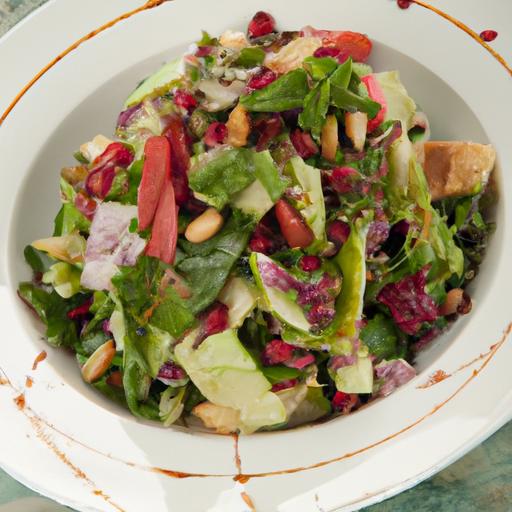
The magic of fattoush unfolds through a handful of carefully selected ingredients. At its heart is the humble pita bread, transformed by toasting or frying into crunchy croutons that provide an irresistible contrast to freshly chopped vegetables. Radiant, juicy tomatoes, crisp cucumbers, and crunchy radishes combine to create a symphony of fresh textures.
The secret weapon is the dressing, featuring sumac – a tangy, deep red spice native to the Middle East – which imparts a citrusy zing and a stunning hue.Fresh herbs like mint and parsley lend an aromatic lift, while lemon juice and olive oil meld everything with silky, vibrant cohesion. Garlic and a pinch of salt perfectly round out the flavors, ensuring every forkful bursts with complexity.
Prep and Cook Time
- Planning Time: 15 minutes
- Cook Time: 10 minutes (for toasting pita)
- Total Time: 25 minutes
Yield
Serves 4 as a refreshing side or light main course.
Difficulty Level
Easy – perfect for weeknight meals but extraordinary enough for entertaining.
Step by Step Guide to Crafting the Perfect Fattoush Salad
- Ingredients:
- 2 medium pita breads, cut into 1-inch pieces
- 3 large ripe tomatoes, diced
- 2 cucumbers, peeled and diced
- 4 radishes, thinly sliced
- 1 red bell pepper, diced
- 1 small red onion, finely chopped
- 1 cup fresh parsley leaves, chopped
- ½ cup fresh mint leaves, chopped
- 3 tablespoons extra virgin olive oil
- 2 tablespoons fresh lemon juice
- 1 teaspoon ground sumac, plus extra for garnish
- 1 clove garlic, minced
- Salt and freshly ground black pepper, to taste
- toast the pita bread: Spread pita pieces on a baking sheet and drizzle lightly with olive oil. Toast in a 375°F (190°C) oven for 8-10 minutes until crispy and golden. Alternatively, pan-fry in a skillet over medium heat until puffed and crunchy, turning frequently.
- Prepare the vegetables: In a large bowl, combine diced tomatoes, cucumbers, radishes, red bell pepper, red onion, parsley, and mint. Toss gently to blend colors and textures.
- Make the dressing: In a small bowl, whisk together olive oil, lemon juice, minced garlic, sumac, salt, and black pepper until emulsified. Adjust seasoning to brighten the flavor.
- Combine and toss: Pour the dressing over the salad vegetables and toss thoroughly to coat every bite. Just before serving, fold in the toasted pita pieces, preserving their crispness.
- Garnish and serve: Sprinkle with extra sumac for a pop of color and tang. Serve immediately to enjoy the contrasting textures at their peak freshness.
Creative Variations and Serving Suggestions to Elevate Your Fattoush Experience
Fattoush unveils endless possibilities for customization. Try adding thin strips of grilled halloumi or roasted chickpeas for protein boosts that transform it into a heartier meal. Avocado cubes bring creaminess that beautifully contrasts with the dressing’s tang.Swap in baby arugula or watercress for a peppery bite that refreshes the palate.
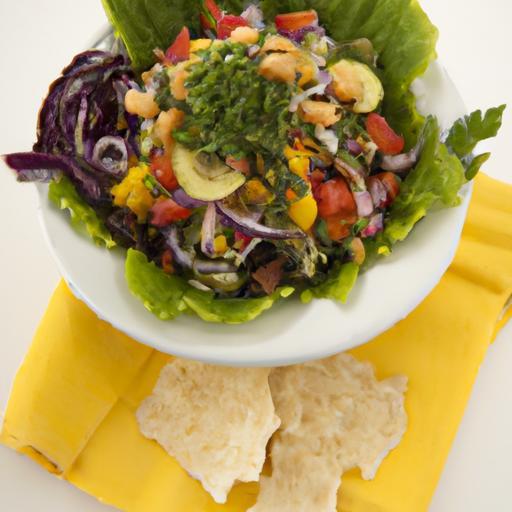
For a colorful presentation, serve fattoush in vibrant bowls or atop large platters, garnishing with pomegranate seeds or toasted pine nuts for an added crunch and jewel-like sparkle. drizzle a touch of tahini sauce for extra depth or accompany it with warm grilled flatbreads on the side.
Chef’s Notes and Tips for Success
- Sumac subtleties: If sumac is hard to find, substitute with a combination of lemon zest and a sprinkle of smoked paprika for a different but appealing twist.
- Pita crunch maintenance: Add pita croutons right before serving to keep them from becoming soggy,preserving their delightful crisp.
- Make-ahead advice: Prepare and refrigerate the chopped salad and dressing separately for up to a day.Toast pita fresh just before serving.
- balance acidity: Taste the dressing before tossing; lemon juice adds brightness, but to much can overpower the herbs. Adjust gradually.
Serving Suggestions
Present fattoush as a stunning starter at Middle Eastern-themed dinners or as a lively side for grilled meats and falafel wraps. A crisp white wine (like Sauvignon Blanc) or fresh mint tea pairs wonderfully with this lively salad. Garnish with edible flowers or microgreens to elevate the visual appeal for special occasions.

| Nutrient | per Serving |
|---|---|
| Calories | 180 kcal |
| Protein | 4 g |
| Carbohydrates | 22 g |
| Fat | 8 g |
For more Middle Eastern salad inspiration, check out our Lebanese Tabbouleh Recipe. To deepen your understanding of sumac and its culinary uses, visit Britannica’s Sumac Exploration.
Q&A
Fattoush Unveiled: The fresh Twist on Middle eastern salad – Q&A
Q1: What exactly is Fattoush, and why is it considered a staple in Middle Eastern cuisine?
A1: Fattoush is a vibrant and refreshing salad originating from the Levant region, known for its crisp mix of fresh vegetables, herbs, and toasted pieces of flatbread. It serves as both a palate cleanser and a comforting dish, combining simplicity with bold flavors. Its popularity comes from its versatility, bright tastes, and affordable, wholesome ingredients-making it a beloved salad across Middle Eastern tables.
Q2: What fresh ingredients are typically found in a classic Fattoush salad?
A2: At its core, Fattoush bursts with chopped cucumbers, ripe tomatoes, radishes, and crunchy green peppers. Fresh herbs such as parsley and mint add fragrant layers, while a handful of chopped green onions and sometimes purslane provide an additional zing. The salad’s signature crunch and texture come from toasted or fried pieces of pita or other flatbreads,creating a satisfying contrast to the fresh veggies.
Q3: How does the dressing of Fattoush set it apart from other salads?
A3: The dressing is where the magic truly happens! Typically made with a combination of tangy lemon juice, fruity olive oil, sumac, and a pinch of salt, the dressing gives Fattoush its distinctive zesty and slightly tart flavor. Sumac-a deep red spice native to the Middle East-adds a subtle sourness and a beautiful color that lifts the entire salad. The balance of acidity and freshness turns this salad into a taste sensation that’s both light and vibrant.
Q4: can Fattoush be customized to suit different tastes or dietary preferences?
A4: Absolutely! One of Fattoush’s greatest strengths is its adaptability. You can vary the vegetables seasonally-from adding pomegranate seeds in autumn to incorporating summer herbs. For those wanting a bit more substance,chickpeas or toasted nuts can be folded in for added protein and crunch. Vegan and gluten-free options are easy to prepare by simply choosing gluten-free flatbread or skipping the bread altogether while keeping the crisp veggies and bold dressing.
Q5: Why is fattoush considered a “fresh twist” on customary salads?
A5: Unlike many salads that rely solely on leafy greens or raw vegetables, Fattoush introduces toasted bread pieces into the mix-transforming textures and adding a toasty, almost smoky depth. The use of sumac in the dressing brings a tart, aromatic punch that isn’t common in Western salads, making it an exciting new flavor experience for many. This fusion of fresh and toasted, soft and crunchy, tangy and herbal layers gives Fattoush its celebrated “fresh twist.”
Q6: How can someone prepare an authentic Fattoush at home without access to specialty ingredients?
A6: Great news-many traditional Fattoush ingredients are easy to find or substitute! If you don’t have sumac,a squeeze of lemon and a dash of mild vinegar can mimic its tanginess. Toasted pita can be replaced with any crisp bread or crackers to add crunch. Fresh herbs like parsley and mint are widely available, and crisp vegetables like cucumber and tomato are kitchen staples. The key is to keep elements fresh, chopped finely, and dress the salad just before serving to preserve its lively texture.
Q7: What occasions or meals is Fattoush best suited for?
A7: Fattoush is incredibly versatile-it shines as a refreshing side dish during warm-weather gatherings, a light lunch on its own, or as a colorful accompaniment to grilled vegetables and kebabs. Its bright flavors and crunchy textures make it a crowd-pleaser at picnic tables, family dinners, or festive celebrations alike. Because it’s rapid to prepare and packed with fresh ingredients, it’s ideal whenever a simple yet exciting dish is needed.
Dive into the world of Fattoush and discover how this humble salad turns everyday ingredients into a celebration of flavor and texture-truly a fresh twist worth savoring!
Wrapping Up
As we wrap up our journey through the vibrant world of fattoush, it’s clear that this salad is much more than a simple mix of greens and toasted bread. It’s a celebration of freshness, texture, and the bold, zesty flavors that define Middle Eastern cuisine. Whether you’re a longtime fan or a curious newcomer, fattoush invites you to embrace a culinary tradition that’s both timeless and refreshingly modern. So next time you seek a dish that’s bright, healthy, and bursting with character, let fattoush unveil its magic on your plate-and in your palate.