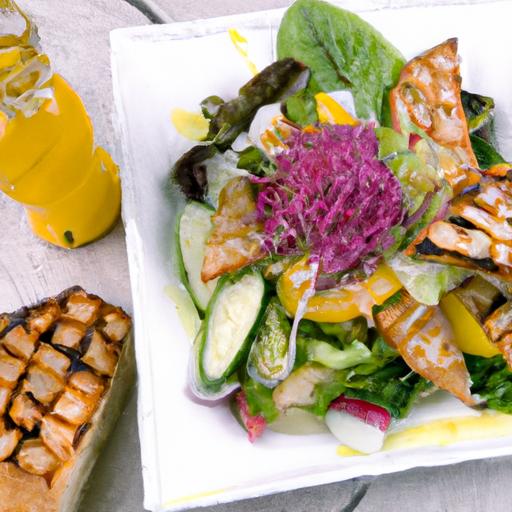

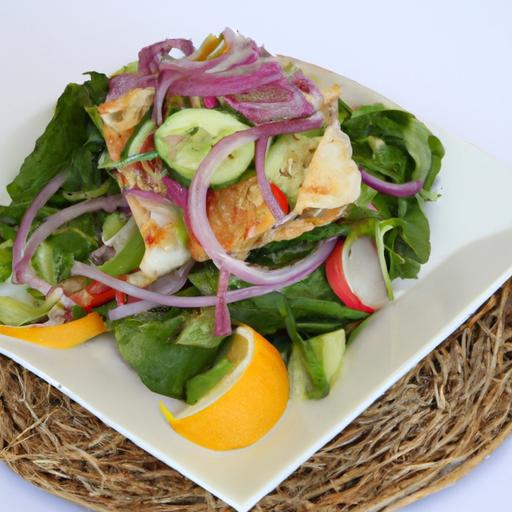
in the vibrant tapestry of Middle Eastern cuisine,few dishes capture the essence of freshness and tradition quite like Fattoush. This zesty bread salad, bursting with crisp vegetables, tangy sumac, and toasted pita fragments, offers a delightful interplay of textures and flavors that awaken the palate with every bite. More then just a salad, Fattoush is a party of resourcefulness and heritage – a dish born from simple, wholesome ingredients transformed into a culinary jewel. join us as we unveil the story behind this beloved classic, exploring it’s origins, ingredients, and the unmistakable charm that has made Fattoush a staple on tables across the Middle East and beyond.
The Origins and Cultural Meaning of Fattoush
Fattoush is a vibrant Middle Eastern bread salad that carries not only a delightful crunch and zest but also a rich cultural heritage steeped in centuries of Levantine tradition. Originating from the Levant region-spanning Lebanon, Syria, jordan, and Palestine-fattoush reflects the ingenious use of simple, fresh ingredients combined with toasted or fried pita bread, transforming humble pantry staples into a lively communal dish.
This salad was originally born from the principle of “tastier than waste,” as leftover pita bread gets revived in the most appetizing way, embodying a spirit where food scarcity met creativity. Across generations, fattoush has become a symbol of hospitality, bringing families together around a shared platter bursting with textures and bright, herbaceous flavors. This dish emphasizes using seasonal vegetables, blended with fresh herbs and a bright dressing that awakens the palate.
prep and Cook Time
- Readiness: 15 minutes
- Cooking (toasting pita bread): 8 minutes
- Total time: 23 minutes
Yield
Serves 4 as a refreshing side or light entrée
Difficulty level
Easy – Perfect for beginners or busy weeknights
Key Ingredients That Bring Fattoush to Life
Each ingredient in fattoush plays a dynamic role to create a harmonious balance of crunch, freshness, and zesty bursts. The magic lies in the exact harmony of vegetables, herbs, and crispy pita pieces.
- Fresh vegetables: Crisp cucumbers, ripe tomatoes, and crunchy radishes provide the foundational refreshing bite.
- Fresh herbs: Parsley and mint add vibrant, aromatic layers indispensable to authentic fattoush.
- Pita bread: Traditionally, day-old pita, torn and toasted or pan-fried until golden and crisp.
- Sumac: This essential spice lends a tangy, lemony note, underpinning the salad’s characteristic flavor profile.
- Green onions: Add subtle sharpness and texture.
- Radishes: For an extra peppery crunch that cuts through the richness of the dressing.
Crafting the Perfect Dressing for Zesty Vibrance
The dressing is the true star that wakes up the crisp veggies and bread in fattoush. A careful balance of fresh lemon juice, pomegranate molasses, and olive oil creates a tangy, slightly sweet, and richly savory emulsion. Proper emulsification ensures every bite is uniformly flavorful and refreshing.
garlic, salt, and a generous pinch of sumac elevate this dressing to authentic Middle Eastern brilliance, while a touch of cracked black pepper adds subtle warmth. The key is to whisk vigorously, or shake in a jar, to marry these ingredients into a lively concoction that sings on the tongue.
Ingredients
- 3 cups torn pita bread (preferably day-old)
- 2 medium tomatoes,diced
- 1 medium cucumber,diced
- 4 green onions,thinly sliced
- 4 radishes,thinly sliced
- 1/2 cup fresh parsley,finely chopped
- 1/4 cup fresh mint,finely chopped
- 2 tablespoons olive oil
- 2 tablespoons fresh lemon juice
- 1 tablespoon pomegranate molasses
- 1 teaspoon ground sumac
- 1 garlic clove,minced
- Salt and freshly cracked black pepper,to taste
Instructions
- Toast the pita bread: Preheat oven to 375°F (190°C). Spread the torn pita evenly on a baking sheet and toast for 6-8 minutes until crisp and golden.Alternatively, pan-fry in a dry skillet over medium heat until crispy, flipping once.
- prepare the vegetables: In a large salad bowl, combine diced tomatoes, cucumber, sliced green onions, radishes, parsley, and mint.
- Make the dressing: In a small bowl or jar, whisk together olive oil, lemon juice, pomegranate molasses, minced garlic, ground sumac, salt, and pepper until well combined and slightly emulsified.
- Toss the salad: add the toasted pita to the vegetable mixture.Pour the dressing over and toss gently,ensuring the pita retains some crunch but absorbs just enough dressing for flavor.
- Adjust seasoning: Taste and add more salt, pepper, or lemon juice as desired. Serve instantly for the best texture and freshness.
Tips for Success
- For a gluten-free twist, swap traditional pita for gluten-free flatbreads or crisped gluten-free crackers.
- If you prefer a softer pita texture, soak the pieces briefly in the dressing before tossing vegetables, but do this just before serving to avoid sogginess.
- Use freshly ground sumac for the brightest tang,or purchase from reputable Middle Eastern markets for authenticity.
- Prepare the salad dressing ahead of time and refrigerate in an airtight container; whisk again just before tossing.
- Customize with pomegranate seeds or toasted pine nuts for added bursts of sweetness and texture.
Serving Suggestions and Pairing Ideas for Every Occasion
Fattoush shines as a vibrant side dish alongside grilled kebabs, roasted vegetables, or creamy hummus. Its zesty flavors cut through the richness of fattier dishes beautifully. Serve it family-style in a large bowl garnished with juicy wedges of lemon and a sprinkle of extra sumac for that quintessential Middle Eastern flourish.
For an elegant appetizer, arrange individual servings in small bowls and top with dabs of labneh or crumbled feta (optional for a dairy twist). Pair with iced mint tea or a sparkling water infused with cucumber and lemon for a refreshing beverage accompaniment.
In warmer months, fattoush is the ultimate picnic salad or potluck centerpiece thanks to its fresh, light components and ease of assembly.

| Nutrient | Per Serving |
|---|---|
| calories | 180 kcal |
| Protein | 4 g |
| Carbohydrates | 22 g |
| Fat | 8 g |
Explore more at Britannica’s entry on Fattoush for a broader cultural context. For a tasting twist, check out our Ultimate middle Eastern Salads Guide and elevate your culinary repertoire.
Q&A
Q&A: Fattoush Unveiled – The Zesty Charm of Middle Eastern Bread Salad
Q1: What is Fattoush and where does it originate from?
A1: Fattoush is a vibrant Middle Eastern salad known for its refreshing crunch and tangy flavors. Originating from the levant region-which includes countries like Lebanon, Syria, Jordan, and Palestine-Fattoush is a staple in many households. Its heart lies in the clever use of toasted or fried pieces of pita bread combined with fresh vegetables and a lively lemony dressing.
Q2: What makes Fattoush different from other salads?
A2: unlike typical leafy salads, Fattoush integrates crisp, toasted flatbread chunks that offer a delightful contrast to the soft vegetables.This bread element not only adds texture but also soaks up the zesty dressing, giving the salad a multidimensional flavor profile. The magic of sumac-an ancient Middle Eastern spice-also sets Fattoush apart by providing a subtle tart and citrusy note.
Q3: Which ingredients are essential to an authentic Fattoush?
A3: At its core, Fattoush includes fresh parsley, mint, radishes, cucumbers, tomatoes, green onions, and romaine lettuce or purslane. The pita bread-either toasted or lightly fried-is indispensable, as is the dressing made from olive oil, lemon juice, garlic, and sumac. Together, these ingredients create a harmonious balance between tangy, fresh, and crunchy.
Q4: Can Fattoush be considered a healthy dish?
A4: Absolutely! Fattoush is naturally rich in vitamins, minerals, and fiber thanks to its abundance of fresh vegetables and herbs. The use of olive oil provides heart-healthy fats, while the lemon and sumac contribute antioxidants. Its light yet satisfying nature makes Fattoush a great option for anyone seeking a nutritious and refreshing meal or side dish.
Q5: How is the bread prepared, and why is it important?
A5: The pita bread is typically cut into bite-sized pieces and either toasted or fried until golden and crispy. This process is crucial because it transforms soft bread into crunchy morsels that contrast beautifully with the juicy vegetables. The crispy bread also acts like a sponge, absorbing the zesty dressing and intensifying every mouthful.Q6: What role does sumac play in Fattoush?
A6: Sumac is the secret superstar spice in Fattoush.With its vivid reddish color and finely ground texture, sumac imparts a tangy, lemony flavor that elevates the entire salad. It enhances the brightness of the dressing and complements the fresh ingredients, giving Fattoush its distinctive zesty charm.
Q7: Can Fattoush be adapted for different dietary preferences?
A7: Fattoush is naturally vegetarian and vegan,making it highly adaptable. To suit various tastes or dietary needs, you can add more herbs, substitute or omit certain vegetables, or adjust the tartness of the dressing. It pairs wonderfully with grilled vegetables or legumes for a heartier meal.
Q8: When is Fattoush typically enjoyed in Middle eastern culture?
A8: Fattoush is versatile and enjoyed year-round-often served at mezze tables alongside hummus, baba ganoush, and other dips.It shines as a refreshing side dish during warm weather, but its bright flavors also complement winter dishes beautifully. Fattoush’s presence at family gatherings, celebrations, and everyday meals highlights its beloved status.
Q9: Are there any fun tips for making the perfect Fattoush at home?
A9: for optimal texture,prepare the pita bread just before tossing the salad to keep it crunchy. Use freshly squeezed lemon juice and high-quality olive oil for the dressing. Don’t be afraid to pile on the herbs-parsley and mint give the salad its fragrant personality. Lastly, balance is key: the salad should have a lively tang without overpowering the natural freshness of the vegetables.
Q10: How can Fattoush inspire culinary creativity beyond the traditional recipe?
A10: Fattoush’s core concept-combining toasted bread with fresh,tangy vegetables-can inspire numerous variations. Feel free to experiment with different greens, add grilled seasonal vegetables, or incorporate unique herbs like za’atar. You might even turn it into a grain bowl or serve it atop roasted chickpeas for an innovative twist. The zesty spirit of Fattoush encourages bold flavors and fresh combinations, making it a canvas for culinary exploration.
Insights and Conclusions
As we unwrap the vibrant layers of Fattoush, it becomes clear that this Middle Eastern bread salad is far more than a simple dish-it’s a celebration of fresh, zesty flavors and a testament to culinary tradition. Each crisp piece of toasted pita, entwined with tangy sumac and garden-fresh vegetables, tells a story of heritage and hospitality passed down through generations. Whether enjoyed as a refreshing side or a light main, Fattoush invites us to savor the brightness of the Mediterranean sun in every bite. So next time you crave a salad that dances with zest and crunch, remember: beneath its humble appearance lies the spirited heart of Middle eastern cuisine, ready to enliven your table and tantalize your taste buds.