
In a world brimming with fast food cravings and busy schedules, finding meals that are both nourishing and flavorful can feel like a challenge. Enter the vibrant world of fresh, flavorful salads-a festivity of crisp greens, colorful vegetables, and wholesome ingredients that not only delight the palate but also fuel your body with essential nutrients. Whether you’re seeking a light lunch, a satisfying side, or a nutrient-packed dinner option, these healthy salad recipes offer a refreshing way to eat well without compromising on taste. Join us as we explore creative combinations and simple preparations that transform everyday salads into vibrant, mouthwatering masterpieces designed to nourish you from the inside out.
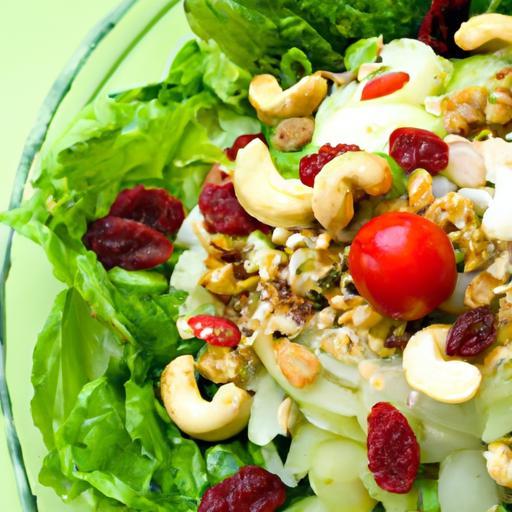
Fresh & Flavorful: Healthy Salad Recipes to Nourish You begin with a vivid selection of ingredients that ignite both the palate and the body. Choosing vibrant vegetables, crisp greens, and colorful fruits not only elevates the dishS visual appeal but ensures a spectrum of essential nutrients.Imagine a bowl brimming with ruby-red cherry tomatoes, shining orange shredded carrots, deep green kale, and jewel-like pomegranate seeds-each bite packed with freshness and vitality. this careful curation creates a base that celebrates nature’s bounty and invites creative dressings that complement without overpowering.
Prep and Cook Time
- Preparation: 20 minutes
- Cook Time: 0 minutes (all fresh)
- Total Time: 20 minutes
yield
Serves 4 as a light main course or 6 as a side salad.
Difficulty Level
Easy – perfect for weeknights or refreshing weekend meals.
Ingredients
- 4 cups mixed baby greens (spinach, arugula, and butter lettuce)
- 1 cup cherry tomatoes, halved
- 1 medium cucumber, thinly sliced
- 1/2 cup shredded carrots
- 1/4 cup chopped fresh herbs (parsley, basil, and mint)
- 1/3 cup pomegranate seeds
- 1 ripe avocado, diced
- 1/2 cup toasted sunflower seeds or pumpkin seeds
- For the dressing:
- 3 tbsp extra virgin olive oil
- 2 tbsp fresh lemon juice
- 1 tsp honey or pure maple syrup
- 1 tsp Dijon mustard
- Salt and freshly ground black pepper, to taste
- Creative protein options (choose one or mix):
- 1 cup cooked quinoa, cooled
- 1 cup cooked and cooled chickpeas
- 1 cup grilled chicken breast, sliced (optional)
- 1/2 cup crumbled feta or goat cheese (optional)
Instructions
- Prepare the salad base: In a large bowl, combine the mixed baby greens, cherry tomatoes, cucumber slices, shredded carrots, and fresh herbs.Toss gently to mix.
- add texture and richness: Fold in the diced avocado and sprinkle the salad with toasted sunflower or pumpkin seeds for a delightful crunch.
- Incorporate your protein: Add your chosen protein (quinoa, chickpeas, grilled chicken, or cheese) evenly throughout the salad to create a balanced and satisfying meal.
- Make the dressing: In a small bowl,whisk together the olive oil,lemon juice,honey,Dijon mustard,salt,and fresh pepper until emulsified.
- Toss with care: Drizzle the dressing over the salad and use tongs to toss lightly, ensuring every leaf is coated without wilting the greens.
- Final flourish: Sprinkle pomegranate seeds on top for bursts of sweetness and a pop of color right before serving.
Tips for Success
- Ingredient freshness: choose the freshest produce possible; vibrant colors indicate maximum nutrient content and flavor.
- Timing your dressing: Add the dressing just before serving to keep greens crisp and avoid sogginess.
- Texture balance: Combining crunchy seeds with creamy avocado and tender greens creates an appealing contrast.
- Make ahead: Prepare all salad components except the avocado and dressing in advance. Store separately and combine fresh before serving.
- Substitutions: Use any seasonal greens or proteins you prefer-smoked tofu or roasted chickpeas work beautifully as alternatives.
Serving suggestions
serve this vibrant salad in large shallow bowls to showcase the colorful layers and texture variety. Garnish with a lemon wedge and an extra scattering of herbs for an aromatic finish.Pair with crusty whole-grain bread or a light, chilled soup for a wholesome meal. for an elegant touch, add edible flowers or microgreens atop, perfect for impressing guests with effortless style and flavor.
| Nutrient | Amount (per serving) |
|---|---|
| Calories | 280 |
| Protein | 12g |
| Carbohydrates | 20g |
| Fat | 18g |
Related Reading: Discover more nourishing ideas in our Healthy Grain Bowls Recipes. For detailed nutritional insights on fresh produce,visit British Nutrition Foundation.

Q&A
Q&A: Fresh & Flavorful – Healthy salad Recipes to Nourish You
Q1: what makes a salad truly nourishing and healthy?
A1: A nourishing salad strikes a perfect balance between vibrant vegetables, lean proteins, wholesome fats, and complex carbs. Think colorful leafy greens, crunchy nuts or seeds, juicy fruits, and protein sources like beans, grilled chicken, tofu, or quinoa. This variety ensures you get a spectrum of vitamins, minerals, fiber, and satisfying energy to fuel your day.
Q2: How can I keep my salads exciting without relying on heavy dressings?
A2: The secret lies in layering flavors! Fresh herbs like basil, cilantro, or mint add brightness. Acidic pop from citrus juice or vinegars lifts the dish, while a drizzle of high-quality olive oil adds richness. Don’t forget texture play-crisp veggies,toasted nuts,and creamy avocado create irresistible contrast without needing creamy,calorie-heavy dressings.
Q3: Which ingredients are best for boosting the protein content in vegetarian salads?
A3: Legumes like chickpeas, black beans, lentils, and edamame are protein-packed. Nuts and seeds contribute both protein and healthy fats. For an extra boost, add cooked quinoa or a sprinkle of hemp seeds. These ingredients turn a salad into a satisfying, energizing meal that keeps you full longer.
Q4: How can salads fit into a busy lifestyle when I don’t have a lot of time to prepare meals?
A4: Choose ingredients that require minimal prep or can be made ahead. Pre-washed greens, canned legumes, and chopped veggies save time. Batch-cooking grains or proteins in advance means tossing them together when hunger strikes. Also, keep a few simple dressings ready – a fast whisk of lemon juice, olive oil, and a touch of mustard can elevate any salad instantly.
Q5: Are there seasonal ingredients that can make my salads healthier and tastier?
A5: Absolutely! Eating seasonally not only enhances flavor but frequently enough means more nutrients. In spring, asparagus and radishes add crispness; summer boasts ripe tomatoes, cucumbers, and berries bursting with natural sweetness; fall brings hearty roasted squash, kale, and pomegranate seeds; winter invites vibrant citrus and winter greens like Swiss chard and arugula.
Q6: What’s a creative way to incorporate grains into salads without making them feel heavy?
A6: Use grains like farro, bulgur, or barley as a base or mix-in but serve them chilled or at room temperature to maintain freshness. pair them with light ingredients such as fresh herbs, citrus segments, and crunchy vegetables. This keeps your salad hearty yet vibrant and light on the palate.
Q7: How can I add a flavorful punch to salads while keeping them diet-pleasant?
A7: Experiment with spices and aromatics! Toasted cumin, smoked paprika, fresh ginger, or minced garlic can transform a salad’s profile. Add small amounts of flavorful extras like capers, olives, or sun-dried tomatoes to keep calories in check but flavor high. The key is to season thoughtfully and layer complexity without overloading on salt or sugar.
Q8: Can you suggest a simple yet nutrient-dense salad recipe for beginners?
A8: Start with a Greens & Quinoa Power Bowl: Toss together mixed baby spinach and arugula, cooked quinoa, diced cucumber, cherry tomatoes, and sliced avocado. Top with a handful of toasted pumpkin seeds for crunch. Dress with lemon juice, olive oil, a pinch of salt, and freshly ground black pepper. This salad offers fiber, protein, healthy fats, and vibrant flavors-all in one easy bowl.
Q9: What tips do you have for storing salad ingredients or prepped salads without sacrificing freshness?
A9: Store greens unwashed in a paper towel-lined container to absorb excess moisture and prolong crispness. Keep dressings separate until ready to eat to avoid sogginess. For prepped salads, layering helps: start with sturdy ingredients like grains or beans at the bottom, followed by veggies, and delicate greens on top. This simple strategy keeps each bite fresh and delicious.
Q10: How can I make salads more appealing to kids or picky eaters?
A10: Focus on fun shapes and colorful ingredients-they eat with their eyes first! Use cookie cutters on veggies, add sweet fruits like blueberries or mandarin slices, and include familiar favorites like shredded cheese or crunchy croutons. Offering dips or dressings on the side encourages them to explore flavors without pressure, making salads less intimidating and more enjoyable.
The Conclusion
As you embark on your journey to embrace vibrant, nourishing meals, these fresh and flavorful salad recipes serve as your delicious foundation. Each bowl is a celebration of wholesome ingredients that not only delight the palate but also fuel your body with essential nutrients. Whether you’re seeking a light lunch, a colorful side, or a satisfying main, these salads invite you to savor health in every bite. So go ahead-mix, toss, and enjoy the endless possibilities of nature’s freshest flavors, and let your wellness bloom one vibrant forkful at a time.