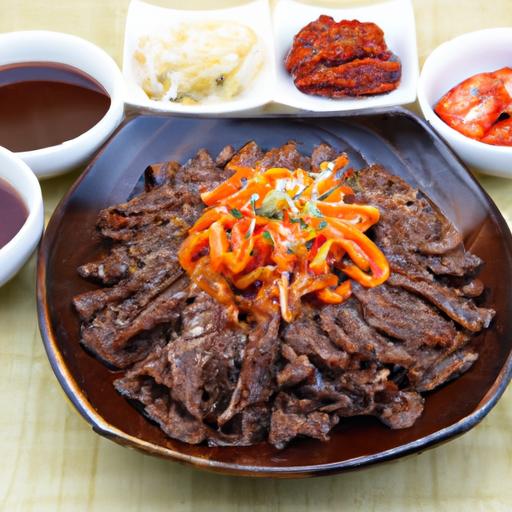

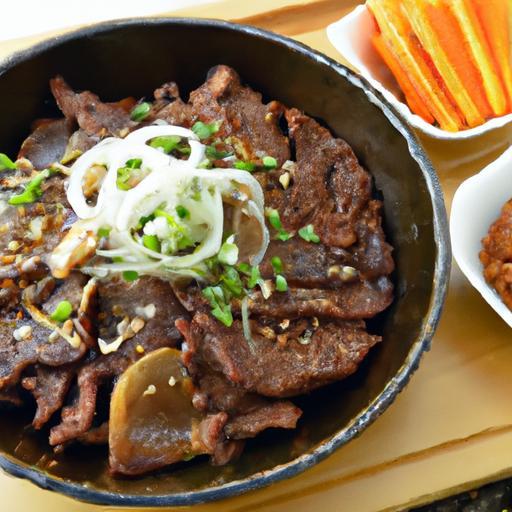
There’s something undeniably captivating about a bowl that marries bold flavors, tender textures, and vibrant colors in perfect harmony. Enter the Korean beef bowl-a culinary treasure that transforms simple ingredients into an unforgettable dining experience. Whether you’re a seasoned foodie or a curious cook eager to explore the rich tapestry of Korean cuisine, this guide will take you on a flavorful journey through the sizzling, savory world of beef bowls. From marinating the meat to layering the perfect accompaniments, get ready to savor every bite as we unlock the secrets behind this beloved dish that’s as comforting as it is crave-worthy.
Savor the flavor of Korean beef bowls-a dish that perfectly melds savory, sweet, and umami notes into a comforting bowl of goodness.Rooted in Korea’s rich culinary tradition, these bowls are inspired by bulgogi, a beloved marinated beef recipe passed down through generations. The magic lies not only in the tender, thinly sliced beef but also in the harmonious balance of garlic, soy, sesame, and a hint of sweetness that elevates every bite.
Prep and Cook Time
- Planning: 15 minutes
- Cooking: 10 minutes
- Total Time: 25 minutes
Yield
serves 4 hearty bowls
Difficulty Level
Easy – perfect for beginners eager to explore Korean flavors or seasoned cooks craving a fast, flavorful meal.
Key Ingredients That Bring Authentic Flavor to Your Bowl
- 1 lb thinly sliced beef ribeye or sirloin (essential for tenderness and rich flavor)
- 3 tbsp soy sauce (for salty depth)
- 1 tbsp sesame oil (adds nuttiness and aroma)
- 2 tbsp brown sugar (balances with subtle sweetness)
- 4 cloves garlic, minced (a punch of pungent freshness)
- 1 small onion, thinly sliced (adds texture and mellow sweetness)
- 1 tsp freshly grated ginger (shining, zingy backdrop)
- 2 green onions, chopped (for garnish and freshness)
- 1 tsp toasted sesame seeds (final crunchy finish)
- Cooked white or brown rice (to serve as the base)
- Optional: Gochujang (Korean chili paste) to taste for mild heat
Step by Step Guide to Crafting the Perfect Korean Beef Bowl
- Marinate the beef: In a bowl, combine soy sauce, brown sugar, sesame oil, minced garlic, and grated ginger. Add the thinly sliced beef and mix thoroughly to coat all pieces. Let it rest for 15 minutes-this tenderizes and infuses flavor deeply.
- prepare your rice: While the beef marinates, cook your preferred rice according to package instructions. Keep warm.
- Sauté the aromatics: Heat a skillet over medium-high heat. Add a splash of sesame oil, then toss in the thinly sliced onion. Sauté until translucent and slightly caramelized,about 4 minutes.
- Cook the beef: Increase the heat to high and add the marinated beef to the pan. Spread it evenly and sear without moving for 2 minutes. Flip and cook another 2-3 minutes until caramelized and cooked through. Stir occasionally to prevent sticking.
- Assemble the bowl: Spoon a generous mound of rice into each bowl, top with a hearty portion of the Korean beef and onions.
- garnish: Sprinkle with chopped green onions and toasted sesame seeds. drizzle a bit more sesame oil or add a dollop of gochujang if you like a kick.
Tips for Success
- use thinly sliced beef-if unavailable,partially freeze a steak to slice thinly yourself for optimal tenderness.
- Don’t skip marinating; it’s key to the signature flavor and soft texture.
- Add a splash of water or broth if the pan gets too dry to keep the beef moist.
- For a gluten-free version, substitute tamari for soy sauce.
- Make in advance: Marinate the beef up to 24 hours ahead for even richer flavor.
Tasty Toppings and Sides to Elevate Your Dining Experience
Pair your Korean beef bowl with crunchy kimchi or a light cucumber salad for a refreshing contrast. Consider soft-boiled eggs atop the bowl for an indulgent, creamy layer, or add pickled radishes for a tangy bite. Roasted sesame spinach or steamed broccoli are perfect vegetable companions to round out the meal.

| nutrient | Per Serving |
|---|---|
| Calories | 470 |
| Protein | 35g |
| Carbohydrates | 45g |
| fat | 15g |
Immerse yourself in the layered tastes of this Korean beef bowl. Every bite is a celebration of the country’s time-honored cooking techniques and ingredients that bring dishes to life in your own kitchen. For more inspiration, check out our easy Asian meals collection or learn about customary Korean cooking methods with this insightful guide from Korea.net.
Q&A
Q&A: Savor the Flavor: A Guide to Appetizing Korean Beef Bowls
Q1: What makes Korean beef bowls so flavorful and unique?
A1: korean beef bowls burst with a harmonious balance of savory, sweet, and umami flavors. The magic lies in the marinade-a combination of soy sauce, garlic, ginger, sesame oil, and a hint of sweetness from ingredients like brown sugar or honey. This blend seeps deep into thinly sliced beef, creating tender, juicy bites that marry perfectly with steamed rice and crisp vegetables.
Q2: Which cut of beef works best for korean beef bowls?
A2: Thinly sliced ribeye or sirloin are top choices due to their tenderness and rich marbling. These cuts cook quickly and soak up marinades beautifully. If you prefer leaner meat, flank steak or eye of round can also work but may benefit from a slightly longer marinating time to enhance tenderness.
Q3: How do you achieve the perfect balance between sweet and savory in the marinade?
A3: The key is proportion. Typically, a blend of soy sauce provides the salty umami backbone, while brown sugar or honey adds sweetness. Garlic and ginger lend pungency and warmth, and a touch of toasted sesame oil adds nuttiness. Start with a ratio of about 3 parts soy sauce to 1 part sweetener, then adjust to taste.Q4: What are some classic toppings that complement Korean beef bowls?
A4: Crisp cucumber slices, shredded carrots, chopped scallions, and crunchy kimchi are popular options that add texture and brightness.A fried egg on top is also a beloved addition, offering richness and a velvety yolk that blends beautifully into the bowl.
Q5: Can korean beef bowls be made ahead of time for meal prep?
A5: Absolutely! You can marinate and cook the beef in advance, then store it separately from the rice and fresh vegetables.When ready to eat, simply reheat the beef gently and assemble your bowl with freshly steamed rice and crisp veggies to maintain texture and flavor.
Q6: Are there any special techniques for cooking the beef to keep it tender?
A6: As the beef is sliced very thinly, it only needs a quick sear over high heat. This method locks in juices and caramelizes the marinade for an irresistible glaze. Avoid overcooking,which can make the meat tough and dry.
Q7: How can you customize a Korean beef bowl for diffrent dietary preferences?
A7: The base recipe is wonderfully adaptable. For a low-carb option, substitute steamed rice with cauliflower rice or leafy greens. Vegetables can be varied to include mushrooms, bell peppers, or zucchini for extra nutrients and color. For those who prefer a spicy kick, add gochujang (Korean chili paste) either into the marinade or as a drizzle on top.
Q8: What side dishes pair well with Korean beef bowls?
A8: Light and refreshing sides like kimchi, pickled radishes, or a crisp seaweed salad complement the rich beef perfectly. A simple miso soup or steamed edamame can round out the meal without overpowering the flavors of the bowl.
Q9: Is it necessary to use Korean ingredients to make an authentic Korean beef bowl?
A9: While authentic Korean ingredients like gochujang, garlic, and sesame oil elevate the dish, you can create delicious Korean beef bowls with accessible pantry staples. Just aim for the essence of sweet, savory, and aromatic elements to capture the spirit of the cuisine.
Q10: What’s the best way to serve Korean beef bowls for a crowd?
A10: Prepare the beef and rice in large batches and set up a “build-your-own” station with various toppings and sauces. This interactive approach lets guests personalize their bowls,making it a fun and flavorful gathering experience.
In Retrospect
As the savory aroma of marinated beef and perfectly steamed rice lingers, it’s clear that Korean beef bowls are more than just a meal-thay’re a celebration of bold flavors and rich cultural heritage. Whether you’re a seasoned foodie or a curious newcomer, savoring these bowls invites you to explore a harmonious blend of sweet, spicy, and umami notes in every bite. So next time you crave something comforting yet exciting, remember that a delicious Korean beef bowl is not just food-it’s an experience waiting to be savored. dig in, and let your taste buds embark on a flavorful journey that’s as vibrant and dynamic as Korea itself.