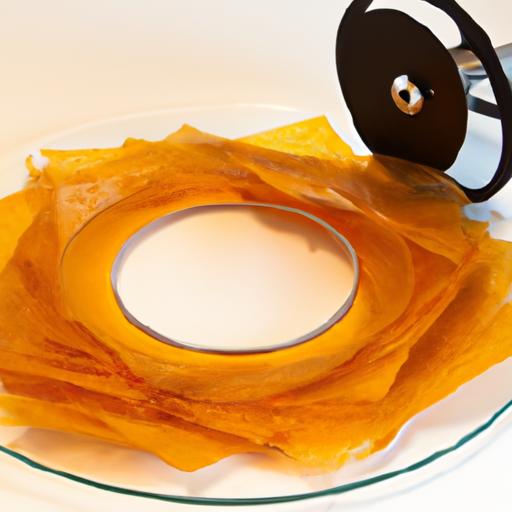

There’s a certain magic in transforming vibrant, fresh fruit into a delightful, chewy treat that’s as fun to make as it is to eat. Enter fruit leather-the nostalgic snack that’s been reinvented for the modern kitchen with the help of a trusty dehydrator. Whether you’re a seasoned drying pro or just dipping your toes into the world of homemade snacks, mastering fruit leather opens up a world of endless flavor possibilities, wholesome ingredients, and satisfying texture. In this article, we’ll peel back the layers of technique and share tips to help you create your own sweet and chewy masterpieces, turning everyday fruit into portable bites of sunshine. Get ready to infuse your pantry with natural sweetness and add a twist of creativity to your snack game!
Sweet & Chewy: Mastering Fruit Leather with Your Dehydrator
Sweet & Chewy fruit leather is a delightful way to preserve the natural essence of ripe fruits, transforming them into a portable treat bursting with concentrated flavor and texture. Drawing inspiration from traditional preserves and modern culinary creativity, this recipe empowers you to craft luscious strips of goodness that balance vibrant sweetness with the perfect tender chew.
Prep and Cook Time
- Preparation: 20 minutes
- Dehydration: 6-8 hours (depending on fruit and dehydrator)
- Total Time: Approximately 7 hours
Yield
Yields approximately 4 large rolls (about 8-10 individual servings)
Difficulty Level
Easy to Medium – Perfect for first-timers, with room to experiment and customize.
Ingredients
- 4 cups ripe mixed fruit (e.g., strawberries, mango, apples, or peaches), peeled and pitted if needed
- 2 tablespoons fresh lemon juice (to balance sweetness and preserve color)
- 2-3 tablespoons natural sweetener (honey, maple syrup, or agave, optional)
- 1 teaspoon pure vanilla extract (optional, for added depth)
- Pinch of salt (to enhance flavor)
Choosing the best Fruits and Flavor combinations for Ultimate Sweetness
Start your journey with Sweet & Chewy fruit leather by selecting the freshest, ripest fruits bursting with natural sugars. Fruits like mangoes, strawberries, and peaches offer luscious floral sweetness, while apples and pears provide a subtle tartness that balances the palate. Combining fruits, such as peach and raspberry or apple and cinnamon-spiced pear, unlocks layers of complexity unmatched by single-flavor leather.
Pro tip: Opt for fruits at their peak ripeness, as underripe varieties can result in leather that’s less flavorful and harder to puree smoothly.Freeze-thawing frozen fruits slightly before pureeing also helps break down fibers for a velvety texture.
Preparing Your Fruit for Dehydration: Perfect Texture Starts with Proper Pureeing
Achieving that signature sweet & Chewy texture hinges on the pureeing process. Start by washing and preparing your fruit-remove pits, stems, and thick skins. Using a high-powered blender or food processor, blend the fruit to a smooth, slightly thick consistency-too thin, and the leather runs excessively; too thick, and drying becomes uneven.
If the blend feels too runny, gently simmer the puree over low heat for 5-10 minutes to reduce excess moisture, stirring constantly to prevent scorching.Add lemon juice and sweetener during this stage to fully meld flavors.
Optimizing Dehydrator Settings for Consistent Chewiness and Preservation
Set your dehydrator between 130°F to 140°F (54°C to 60°C) for optimum drying without compromising nutrient quality or color. Lay your fruit puree evenly on non-stick dehydrator trays or use silicone sheets, spreading to a thickness of roughly 1/8 inch (about 3 mm). Uniform thickness ensures even drying and that characteristic tender chew.
Drying times vary with fruit water content and humidity, but expect anywhere from 6 to 8 hours. Check progress by touching: the leather should be tacky but peel away easily from the sheet without sticking.
Creative Tips for Rolling, Storing, and Enjoying your Homemade Fruit Leather
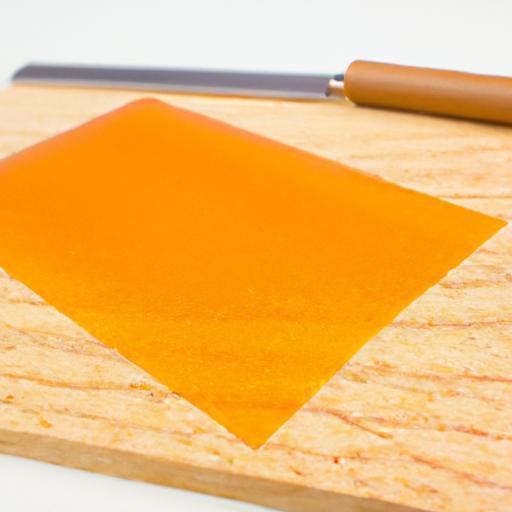
Once dried, peel your Sweet & Chewy fruit leather gently from the sheet. Use parchment paper strips to roll it tightly into tidy cylinders for compact storage.These rolls stay fresh in airtight containers or resealable bags at room temperature for up to 1 month, or up to 6 months refrigerated or frozen.
For added flair, sprinkle your fruit leather with chopped nuts, sunflower seeds, or a thin swirl of natural nut butter before drying. this elevates texture and makes each bite unforgettable. Enjoy as a rapid snack, lunchbox treat, or a creative ingredient to layer in breakfast bowls and desserts.
Instructions
- Prepare the fruit: Wash, peel, pit, and chop the fruit into manageable pieces.
- Puree the fruit: In a blender or food processor, combine prepared fruit with lemon juice, sweetener, vanilla (if using), and salt. Blend until completely smooth.
- Optional reduction: Transfer puree to a saucepan; simmer gently over low heat for 5-10 minutes, stirring to thicken slightly. Let cool.
- Spread puree: Pour the puree onto dehydrator trays lined with non-stick sheets or parchment. Spread evenly to about ⅛ inch thickness.
- Dehydrate: Set dehydrator to 135°F and dry for 6-8 hours. Start checking at 6 hours for tacky, peelable consistency.
- Cool and roll: Remove from dehydrator,cool completely,and gently peel off. Cut into strips and roll with parchment paper for storage.
- Store: place rolls in airtight containers or bags. Store at room temperature for up to a month or refrigerate/freeze for longer freshness.
Tips for success
- Use a high-quality blender for the smoothest puree.
- Do not rush dehydration; drying too fast at high heat can harden the leather.
- Experiment with combos-like mango-chili or apple-cinnamon-to find your favorite twist.
- Use silicone dehydrator sheets to avoid sticking and facilitate easy removal.
- If leather is overly sticky after drying, extend drying time by 30-minute increments.
- Make-ahead: Fruit leather freezes beautifully and thaws in minutes for a quick snack.
Serving suggestions
Unroll your fruit leather for a simple, wholesome snack, or cut into bite-sized shapes and arrange on a platter for a colorful party treat. Pair with a dollop of coconut yogurt and a sprinkle of toasted coconut flakes for a tropical vibe. Try incorporating strips into kids’ lunchboxes or slice thinly as an on-the-go energy boost. For a gourmet touch, serve alongside nuts and mild cheese like ricotta for contrasting flavors and textures.

| Nutrient | Per Serving (1 strip) |
|---|---|
| Calories | 60 |
| Protein | 0.5g |
| Carbohydrates | 15g |
| Fat | 0.2g |
For those eager to explore similar preservation techniques, check out our homemade dehydrated snacks guide. Also,for an in-depth exploration of fruit nutrition,visit The Nutrition Society.
Q&A
Q&A: Sweet & Chewy – Mastering Fruit Leather with Your Dehydrator
Q1: What exactly is fruit leather, and why should I try making it at home?
A1: Fruit leather is a luscious, chewy snack crafted by pureeing fresh fruit and then drying it into thin, flexible sheets. Making it at home means you control every ingredient-no added preservatives or artificial flavors-and you can experiment with endless flavor combos. Plus,it’s a perfect portable treat for hikes,lunches,or anytime you crave something sweet and natural.
Q2: Which fruits work best for homemade fruit leather?
A2: Almost any fruit can become fruit leather! classics include strawberries, mangoes, apples, and berries.firmer fruits like apples and pears frequently enough need a bit of water or juice blended in for smooth consistency, while juicy fruits such as peaches or pineapples puree beautifully on their own. You can also combine fruits-think mango and raspberry or apple with cinnamon for a twist.
Q3: Should I add sweeteners or spices when making fruit leather?
A3: It depends on your taste and the natural sweetness of the fruit. Ripe fruits frequently enough need no extra sugar, but a little honey, maple syrup, or agave can enhance flavors if desired. Spices like cinnamon,ginger,or nutmeg add warmth and dimension.Herbs like mint or basil can add a fresh pop. The key: blend slowly and taste as you go.
Q4: How do I prepare the fruit puree for the dehydrator?
A4: Wash and peel your fruit if needed,then blend until smooth. If your mixture seems too thick, add a splash of water, fruit juice, or even a light herbal tea. Strain out seeds or pulp for an ultra-smooth finish if you prefer.Pour the puree evenly onto a lined dehydrator sheet or a silicone mat, smoothing with a spatula to about 1/8 inch thickness.
Q5: How long does it take to dry fruit leather, and how can I tell when it’s done?
A5: Drying time generally ranges from 4 to 8 hours at 135°F (57°C), depending on fruit moisture and thickness. The leather is done when it’s no longer sticky to the touch but still pliable. It should peel away easily from the liner without cracking or crumbling.If it’s brittle, it’s over-dried; if sticky or wet, it needs more time.
Q6: Can I make fruit leather without a dehydrator?
A6: Absolutely! Your oven on the lowest setting with the door slightly open can work, though drying times may be longer and less consistent. Just lay your puree on a parchment-lined baking sheet and check frequently enough to avoid over-drying. A dehydrator, though, provides consistent airflow and temperature ideal for perfect texture.
Q7: How should I store homemade fruit leather to keep it fresh and chewy?
A7: Once cool, peel the fruit leather off the liner, cut into strips or roll it with parchment paper, and stash it in an airtight container or zip-top bag. Keep it in a cool, dark place for up to a month, or refrigerate to extend freshness. For longer storage, freeze them wrapped well to avoid freezer burn.Q8: What are some creative twists to elevate classic fruit leather?
A8: Try layering flavors by spreading a thin swirl of nut butter or sunflower seed butter before drying for a chewy surprise. Add finely chopped dried herbs like rosemary or lavender for subtle aromatics. Incorporate superfoods like chia seeds or ground flax for texture and nutrition. Or blend tropical and tart fruits for a zingy bite-imagination has no limits!
Q9: Is fruit leather a healthy choice for snacking?
A9: Yes! Fruit leather made from 100% fruit is naturally rich in vitamins, fiber, and antioxidants-with no added sugars or preservatives if you make it yourself. It’s a better option to many processed snacks and delivers a satisfying sweet fix with the goodness of real fruit.
Q10: What common mistakes should I avoid when making fruit leather?
A10: Avoid drying too thick layers-they prolong drying and can lead to uneven texture. Don’t skip blending thoroughly,as lumps or seeds create a gritty feel. Also,resist the urge to over-dry; brittle fruit leather loses the chewy charm that makes it so delicious. Lastly, always line your trays to prevent sticking and make peeling effortless!
Ready to roll up your sleeves and transform fresh fruit into sweet, chewy art? With these tips and your trusty dehydrator, fruit leather mastery is just a blend away!
To wrap It Up
As the final sheets of vibrant, tangy fruit leather emerge from your dehydrator, you’re not just holding a snack-you’re holding a testament to patience, creativity, and the simple joy of homemade treats. Mastering the art of fruit leather transforms ordinary fruit into a chewy, sweet delight that’s as wholesome as it is satisfying.With your new skills, endless flavor combinations await, limited only by your imagination and seasonal harvests. So, slice, blend, spread, and dry-the world of fruit leather is yours to explore, one chewy bite at a time.