
There’s something undeniably magical about a perfectly blended chocolate milkshake-a nostalgic swirl of creamy, cold delight that dances on your taste buds and transports you back to carefree afternoons. But behind that luscious sip lies a fascinating interplay of science and skill, a “sweet science” that transforms simple ingredients into a silky masterpiece. from the chemistry of cocoa compounds to the physics of blending, understanding the art and science behind your chocolate milkshake reveals why it tastes so indulgently good and how each step matters in crafting that flawless glass of chocolaty heaven. Let’s dive into the delicious science that makes your favorite treat so irresistibly perfect.
Understanding the Chemistry of Chocolate and Milk Fusion
The Sweet Science Behind Your Perfect Chocolate Milkshake starts with an appreciation of how chocolate and milk interact at a molecular level. When rich cocoa solids meet the creamy proteins and fats in milk, a luscious emulsion forms. This fusion creates that silky mouthfeel and decadent flavor we crave. The fat crystals in chocolate soften with warmth, releasing aromatic compounds that blend seamlessly with milk’s naturally sweet lactose. Understanding this chemistry helps you select ingredients that maximize smoothness and depth.
Choosing the Ideal Ingredients for Creamy Texture and Rich Flavor
Choosing the right ingredients is pivotal to achieving an irresistibly creamy chocolate milkshake. Start with high-quality cocoa powder or melted dark chocolate for intense flavor and antioxidant benefits. Whole milk or full-fat cream contributes to a luxuriously thick consistency, while premium vanilla ice cream adds sweetness and body. Avoid low-fat or skim options as they lack the fat needed for that classic indulgent mouthfeel.Freshly grated chocolate or chocolate chips can elevate texture while natural sweeteners,like maple syrup or honey,can subtly enrich flavor without overpowering.
Mastering the Blending Technique for the Perfect Consistency
When it comes to blending, balance is everything. Add your ingredients in stages: start with milk and cocoa to ensure thorough dispersion of dry elements, then gradually fold in ice cream and any sweeteners. Use a high-powered blender to break down ice crystals for a velvety-smooth shake, but avoid over-blending which can warm the mixture and ruin the ideal chilled texture. Pulsing in bursts helps keep air incorporated yet stable, preserving body and volume. For extra thickness, a small handful of frozen banana or silken tofu can be added-both boost creaminess without diluting chocolate’s intensity.
Enhancing Your Milkshake with Creative Flavor Twists and toppings
The beauty of this classic drink is its versatility. Elevate your chocolate milkshake by incorporating unexpected elements that complement chocolate’s richness. Try a pinch of smoked sea salt or cayenne for a spicy contrast, or swirl in a ribbon of salted caramel or espresso for complexity. Garnish with whipped cream, chocolate shavings, toasted nuts, or a sprinkle of cinnamon to add texture and visual appeal. For a tropical flair, a dash of coconut extract or a handful of toasted coconut flakes works wonders. remember, the perfect topping not only decorates but enhances each luscious sip.
Prep and Cook Time
- Preparation: 5 minutes
- Blending: 2-3 minutes
- Total Time: 8 minutes
Yield
Serves 2 generously sized chocolate milkshakes
Difficulty Level
Easy – perfect for home cooks of all skill levels looking to impress with minimal effort
Ingredients
- 2 cups whole milk, chilled
- 1 cup high-quality vanilla ice cream
- 3 tbsp unsweetened cocoa powder (preferably Dutch processed)
- 2 tbsp granulated sugar or sweetener of choice
- 1 tsp pure vanilla extract
- Optional: 1 tbsp melted dark chocolate (70% cacao or higher) for extra richness
- Optional Toppings: whipped cream, chocolate shavings, toasted almonds, sea salt flakes
Instructions
- combine cocoa powder, sugar, and a splash (~¼ cup) of chilled milk in your blender. Blend briefly to dissolve the dry ingredients fully and avoid clumps.
- Add the remaining milk and vanilla extract, blending for 30 seconds until uniform and slightly frothy.
- Incorporate vanilla ice cream and optional melted chocolate. Blend on medium speed for 45 seconds to 1 minute, or until the texture is thick and velvety but still cold.
- pause and scrape down the blender sides if needed to ensure an even mix and smooth consistency.
- Pour promptly into chilled glasses to preserve the creamy, cold texture.
- Garnish with whipped cream, chocolate shavings, or your favorite toppings for that final indulgent touch.
Tips for Success
- Use very cold ingredients to keep your milkshake thick and refreshing without needing excessive ice.
- For an ultra-smooth shake, sift cocoa powder before blending to avoid gritty texture.
- If too thick, add milk incrementally; if too thin, add more ice cream or briefly freeze the shake.
- For a vegan twist, substitute almond milk and coconut milk ice cream-both add creaminess without dairy.
- Experiment with sweetness levels by adjusting sugar or swapping for natural honey or agave syrup.
Serving Suggestions
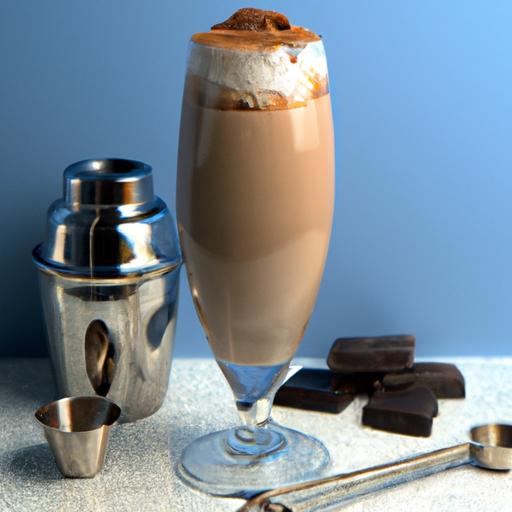
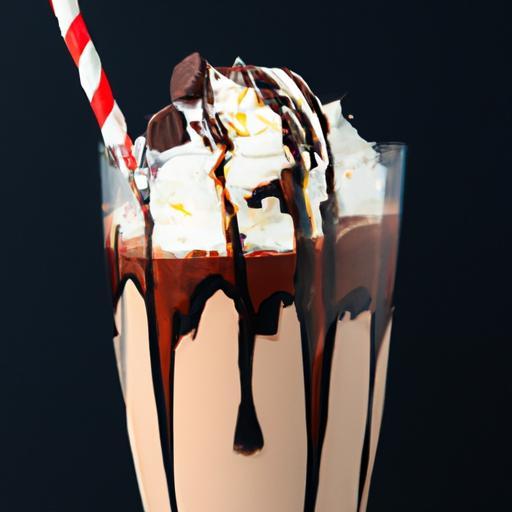
Serve your chocolate milkshake in tall, frosted glasses to create a visually enticing chilled effect. Top generously with a swirl of whipped cream and garnish with finely grated dark chocolate or crushed toasted hazelnuts.Add a colorful paper straw or a cinnamon stick for a sophisticated touch that invites slow sipping. Pair with homemade chocolate chip cookies or fresh berries on the side to balance silky sweetness with textural contrast.
| Nutrient | Per serving |
|---|---|
| calories | 380 kcal |
| Protein | 8 g |
| Carbohydrates | 45 g |
| Fat | 18 g |

Explore our Ultimate Vanilla Ice cream recipe for a base that elevates any milkshake. for deeper insight into chocolate’s chemistry,see this scientific explanation from the Chocolate & Cocoa Institute.
Q&A
Q&A: The Sweet Science Behind Your Perfect Chocolate Milkshake
Q1: What exactly makes a chocolate milkshake “perfect”?
A: The “perfect” chocolate milkshake strikes a harmonious balance between creamy texture, rich chocolate flavor, and ideal chill. It’s about achieving that luscious thickness without being too heavy, where every sip glides smoothly and leaves you craving more.
Q2: How does the chocolate actually blend with the milk and ice cream?
A: Chocolate molecules contain cocoa butter, which when mixed with cold milk and creamy ice cream, emulsify-meaning they form a smooth, uniform texture. The fats in the ice cream help trap air during blending, creating that silky, velvety body that defines a great milkshake.
Q3: Why does temperature play such a critical role?
A: Temperature controls consistency. Ice cream must be cold enough to hold its shape, but blending generates heat that melts it slightly, releasing sugars and fats for smoothness.Meanwhile, cold milk prevents the shake from thinning out. This delicate dance of temperatures ensures a shake neither icy nor watery.Q4: Does the type of chocolate used affect flavor and texture?
A: Absolutely! Using dark chocolate or rich cocoa powder offers intense, bittersweet notes, while milk chocolate provides sweeter, creamier undertones. Some chocolatiers add melted chocolate ribbons or fudge swirls, adding complexity and luxurious texture. The fat content in chocolate also subtly influences the shake’s mouthfeel.Q5: What role does the blending process play?
A: Blending is the magic mixer of all elements-it breaks down ice cream and chocolate into tiny particles, suspends air throughout the mixture, and disperses fat evenly. Over-blending risks a runny shake, while under-blending can leave chunks and uneven flavor. Timing and speed are key to perfect consistency.
Q6: Are there any secret ingredients that can elevate a chocolate milkshake?
A: Beyond classic ingredients, a pinch of salt can enhance chocolate’s depth, while a dash of vanilla extract rounds out flavor. For extra creaminess, a spoonful of heavy cream or a splash of sweetened condensed milk can work wonders. Even a few espresso drops awaken the chocolate notes without overpowering.Q7: How does sweetness affect the chocolate milkshake’s science?
A: Sugar interacts with fat and cold to modify texture and flavor perception. Just the right amount balances chocolate’s bitterness and enriches flavor without making it cloying. Too much sugar can mask the cocoa’s complexity, while too little leaves the shake flat. It’s science meets art to please your palate.
Q8: Can the perfect chocolate milkshake be made dairy-free or vegan?
A: Yes! Plant-based milks like almond, oat, or coconut milk can replace dairy, although the fat content varies, affecting creaminess. Coconut cream is a fantastic vegan substitute to achieve that thick, luscious texture. Using high-quality vegan chocolate ensures flavor stays decadent and true to the classic taste.
Unlocking the science behind your chocolate milkshake reveals that every sip is a carefully crafted masterpiece of chemistry and culinary art. Next time you indulge, savor not just the flavor-but the sweet science swirling in your glass!
In Summary
As the last sip of your perfect chocolate milkshake glides smoothly down, remember that behind this simple pleasure lies a fascinating dance of science and artistry. From the careful balance of cocoa’s bitterness with creamy sweetness, to the precise temperature that unlocks its velvety texture, every element plays a vital role in crafting that irresistible treat. So next time you indulge,savor not just the flavor but the intricate chemistry that elevates your milkshake from ordinary to unusual-a true testament to the sweet science behind your favorite delight.