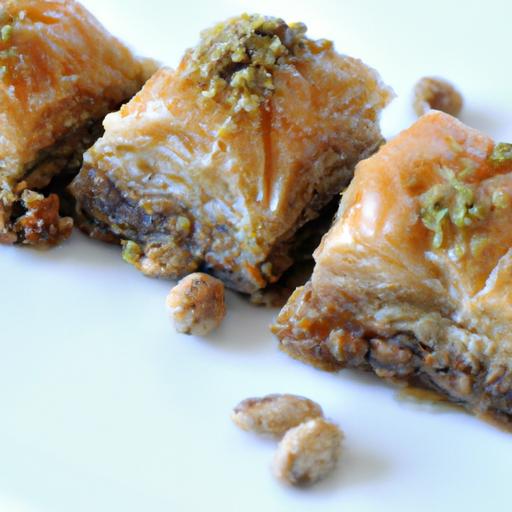

In the world of desserts, few treats evoke as much admiration and intrigue as baklava-a shimmering mosaic of flaky pastry, glossy honey, and a crunchy embrace of nuts. This timeless delicacy, with roots stretching across ancient civilizations, has enchanted palates for centuries, weaving together cultures through its sweet, nutty symphony. But what is it about this golden-hued marvel that captures hearts and taste buds alike? Join us as we peel back the layers of baklava’s history, uncover the artistry behind its perfect harmony of honey and nuts, and reveal the sweet secrets that make this dessert a beloved icon of culinary craftsmanship.
The Sweet Secrets of Baklava: Honey & Nut Delight Unveiled
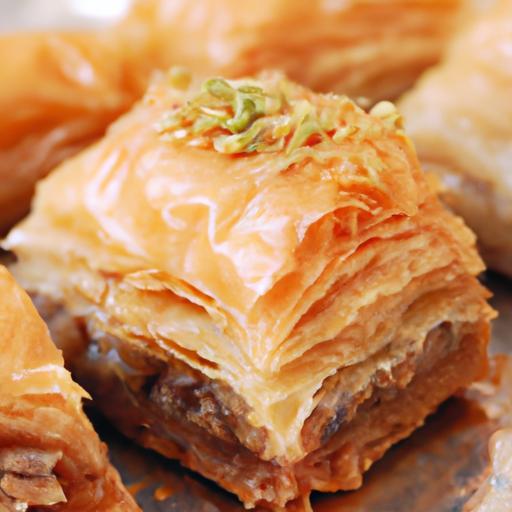
Discovering the perfect balance of textures and flavors in baklava is nothing short of an enchanting journey.The Sweet Secrets of Baklava: Honey & Nut Delight Unveiled invites you to explore how the choice of nuts,the golden richness of honey,and the mastery of flaky layers come together in this timeless dessert. Originating from the Ottoman kitchens and woven through generations, each bite captures a symphony of crunch, sweetness, and buttery depth that’s as captivating as the tales behind it.
Prep and Cook Time
- Planning: 45 minutes
- Cooking: 50 minutes
- Cooling & Soaking: 4 hours (preferably overnight)
Yield
Serves 12 generous pieces
Difficulty Level
medium – Perfect for those ready to embrace technique and patience for rewarding results.
The Art of Choosing the Perfect Nuts for Authentic Baklava
The Sweet Secrets of Baklava: Honey & Nut Delight Unveiled hinge on selecting nuts that offer aromatic depth and structural crunch. Traditionally, a blend of walnuts, pistachios, and sometimes almonds is favored, each bringing its own character.Walnuts infuse a rustic earthiness, pistachios provide vibrant colour and gentle sweetness, while almonds contribute a subtle buttery note.
For the ultimate nut filling, opt for fresh, unsalted kernels that are coarsely chopped-not too fine, preserving a delightful texture that contrasts the delicate phyllo layers.
Unlocking the Golden Essence of Honey in Traditional Recipes
Honey is not just a sweetener; it’s the nectar that binds the layers in this luscious treat and imparts a rich floral aroma. Selecting pure, high-quality orange blossom or wildflower honey enriches the syrup with nuanced flavors, elevating every bite.Heating the honey gently with lemon juice and a touch of cinnamon melts these essences together,creating a syrup that seeps perfectly into the golden baklava layers.
Mastering the Layers: Techniques for the Ultimate flaky Texture
Phyllo dough is the canvas for baklava’s magic. Achieving a crispy, feather-light texture demands care and precision. Each sheet should be brushed generously but evenly with melted butter to avoid sogginess and to foster an irresistible crunch. When layering, the key is patience-stacking 8 to 10 sheets before adding nuts, then repeating the pattern, ensures balanced richness. A sharp knife and intentional scoring before baking encourage clean, elegant cuts that make serving seamless.
Ingredients
- 1 package (16 oz) phyllo dough, thawed according to package instructions
- 2 cups walnuts, coarsely chopped
- 1 cup pistachios, coarsely chopped
- 1 cup almonds, chopped
- 1 cup unsalted butter, melted
- 1 tsp ground cinnamon
- 1 cup sugar
- 1 cup water
- 1 cup high-quality honey (orange blossom or wildflower preferred)
- 2 tbsp fresh lemon juice
- 1 tsp vanilla extract
Instructions
- Preheat your oven to 350°F (175°C). Lightly brush a 9×13-inch baking dish with melted butter.
- Prepare the nut mixture: In a bowl, combine chopped walnuts, pistachios, almonds, and cinnamon. Mix evenly and set aside.
- Layer the phyllo: Unroll phyllo and cover it with a damp towel to prevent drying.Place one sheet in the baking dish and brush lightly with melted butter. Repeat brushing and layering 8 to 10 sheets deep.
- Add nuts: Sprinkle a generous, even layer of the nut mixture over the stacked phyllo sheets.
- Continue layering: Add another 8 to 10 buttered phyllo sheets atop the nuts. Repeat layers growing the height, ending with a final stack of 8 to 10 buttered sheets.
- Score the baklava: Using a sharp knife, cut the assembled baklava into diamond or square shapes before baking.
- Bake: Place in the oven and bake for 50 minutes or untill the top is a deep golden brown and crisp.
- Prepare the honey syrup: While baking, combine sugar, water, honey, lemon juice, and vanilla in a saucepan. Bring to a boil, then reduce heat and simmer gently for 10 minutes.
- Soak the baklava: Remove the hot baklava from the oven and immediately pour the warm syrup evenly over it, allowing it to seep through the cuts.
- Cool and serve: Let the baklava rest at room temperature for at least 4 hours, preferably overnight, to fully absorb the syrup and develop its signature moist crunch.
Tips and Tricks for Serving Baklava Like a True Connoisseur
Presentation elevates the eating experience. Serve baklava on a stunning platter garnished with crushed pistachios and delicate edible rose petals for a fragrant, visual feast. accompany with a cup of strong turkish coffee or a floral herbal tea to contrast the honey’s sweetness.
Cutting baklava cold helps preserve clean edges; reheat gently if preferred warm.Store leftovers in an airtight container at room temperature for up to 5 days to maintain texture.
Chef’s Notes
- Nut Variations: Experiment with pecans or hazelnuts for a unique twist while maintaining authentic flavor profiles.
- Make-Ahead: Baklava improves as it rests. Prepare a day ahead to allow syrup absorption.
- Phyllo Care: Keep unused phyllo covered with a clean towel to avoid drying during assembly.
- Syrup Sweetness: Adjust honey to suit taste but beware of overpowering the delicate nut flavor.
Nutritional Information per Serving
| Calories | Protein | Carbs | Fat |
|---|---|---|---|
| 320 | 6g | 35g | 18g |

For further exploration of Middle Eastern desserts and phyllo techniques, visit our comprehensive guide to Middle Eastern sweets. To dive deeper into the science and health benefits of honey, check out this detailed study by the National Institutes of Health.
Q&A
Q&A: the Sweet Secrets of Baklava: Honey & Nut Delight Unveiled
Q1: What exactly is baklava, and where did it originate?
A1: Baklava is a luscious pastry composed of thin, flaky layers of phyllo dough, generously filled with a mixture of finely chopped nuts, and drenched in sweet syrup or honey. Its origins trace back to the Ottoman Empire, a melding pot of cultures in the Middle East and Eastern Mediterranean. Over centuries, baklava has become a beloved symbol of party and craftsmanship across many countries.
Q2: What types of nuts are traditionally used in baklava?
A2: The nutty heart of baklava often includes walnuts, pistachios, and almonds. each adds a unique texture and flavor-walnuts lend earthiness, pistachios offer vibrant color and a subtle sweetness, while almonds contribute a gentle crunch and mild nuttiness. Some regional recipes might blend these nuts or favor one over the others, creating delightful variations.
Q3: How does honey enhance the flavor and texture of baklava?
A3: Honey is the golden glue that binds baklava’s layers in sweet harmony. Unlike simple sugar syrup,honey infuses the pastry with floral,complex notes and a sticky warmth that seeps into every crisp sheet of phyllo and every crunchy nut piece. Its natural viscosity ensures the pastry remains moist yet manages to preserve that signature crispiness.
Q4: Can baklava be made without honey?
A4: While traditional baklava thrives on honey’s unique character, many bakers use a simmered sugar syrup infused with lemon juice, orange blossom, or rose water as an choice. These syrups offer a different kind of sweetness and aroma, but honey’s rich depth and ancient symbolism give baklava its classic soul.
Q5: What is the secret to achieving perfectly crispy layers in baklava?
A5: The magic lies in the delicate handling of phyllo dough and generous brushing of butter or clarified butter between each layer. This fat prevents the sheets from sticking together and promotes that irresistible flakiness. Baking at the right temperature ensures the top becomes golden and crunchy while the interior remains tender and nutty.
Q6: How is baklava traditionally served?
A6: Baklava is typically served at room temperature, allowing the syrup or honey to fully meld with the nuts and pastry.It’s often cut into diamond or triangular shapes, making each piece a bite-sized treasure. Sometimes it’s garnished with a sprinkle of ground nuts or a dusting of cinnamon to add an extra touch of aroma and color.
Q7: Are there any creative twists on classic baklava?
A7: Absolutely! While the classic combination of nuts and honey reigns supreme, contemporary bakers experiment with fillings like chocolate, dried fruits such as figs or apricots, and even spices like cardamom or saffron. Vegan versions use plant-based butters, and some use maple syrup as an alternative drizzle-each twist respecting the pastry’s rich heritage while adding fresh flair.
Q8: What cultural significance does baklava hold?
A8: Beyond its deliciousness, baklava embodies hospitality, celebration, and artistry. It’s a dessert served during festivals,weddings,and communal gatherings-an edible expression of warmth and generosity. Its layers not only delight the palate but also symbolize the rich layers of culture and history woven through the regions where it is indeed cherished.
Q9: How long can baklava be stored, and what’s the best way to keep it fresh?
A9: Baklava can be stored at room temperature in an airtight container for up to a week, maintaining its crisp texture and sweet moisture. For longer storage, refrigeration is possible, though it might soften the pastry slightly. To revive that crispiness, a brief warm-up in a low oven works wonders.
Q10: What tips woudl you give to someone attempting baklava for the first time?
A10: Patience and gentle hands are key! Handle the delicate phyllo dough carefully to avoid tears, brush each layer generously with melted butter, and don’t rush the syrup soaking step-it’s essential for the perfect texture and flavor balance. embrace the process as an art-each layer is a step closer to a truly divine honey and nut delight.
The Conclusion
As we unwrap the layers of baklava’s rich history and exquisite craftsmanship, one truth becomes delightfully clear: this honey-kissed, nut-studded treasure is more than just a dessert-it’s a timeless celebration of culture, patience, and nature’s sweetest gifts. Whether savored in a bustling Middle Eastern bazaar or baked lovingly in your own kitchen,baklava invites us all to pause,indulge,and appreciate the harmonious dance of flavors that has enchanted palates for centuries. So next time you take a bite, remember-you’re not just enjoying a treat, but a story steeped in tradition and sweetness, one flaky, golden layer at a time.