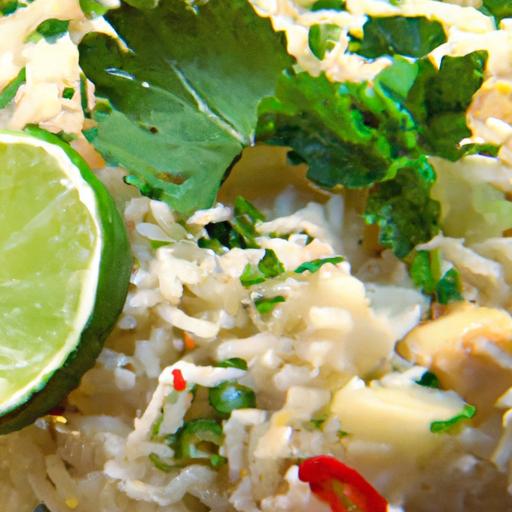

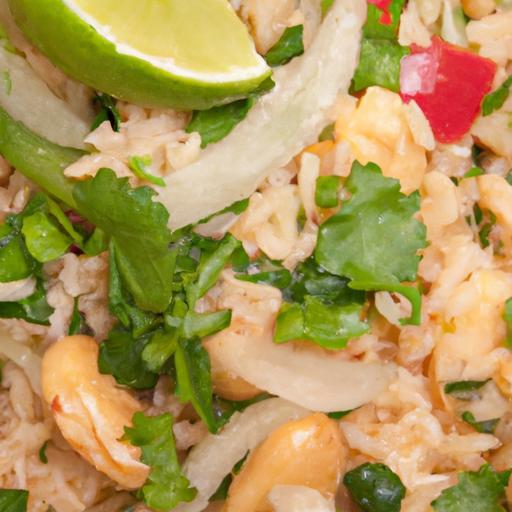
In the vibrant tapestry of Thai cuisine, few dishes capture the essence of home-cooked comfort and bold, aromatic flavors quite like Thai basil fried rice. This beloved staple, infused with the fragrant punch of fresh Thai basil and a harmonious blend of spices, transforms simple ingredients into a culinary festivity.Unlocking the secrets behind this flavorful delight reveals not just a recipe but an art form-one where technique, tradition, and taste intertwine to create an unforgettable experience for the senses. Join us as we explore the origins, nuances, and step-by-step mastery of Thai basil fried rice, and discover how to bring the soulful spirit of Thailand straight to your kitchen.
Unlocking Flavor: The Art of Thai Basil Fried Rice Delight begins with sourcing the freshest and most authentic ingredients, which serve as the foundation for this iconic Thai dish’s vibrant aroma and robust taste. Traditionally known as Khao Pad Bai Kraprao, this stir-fried rice recipe is beloved for its aromatic holy basil, bold spices, and balanced textures that come alive with each sizzling toss in the wok. As you embark on this cooking journey, you’ll discover the secret magic behind perfecting the stir-fry technique, harnessing Thailand’s hallmark spices and aromatics, and presenting a dish that is both visually captivating and deeply satisfying.
Sourcing Authentic Ingredients for Perfect Thai Basil fried Rice
The soul of this dish lies in the authenticity of its ingredients. Begin your shopping adventure with Thai holy basil (bai kraprao), which possesses a distinctive spicy, peppery aroma unlike common sweet basil. If unavailable, Vietnamese or lemon basil can be an option, but the holy basil’s unique fragrance is irreplaceable. Opt for fragrant jasmine rice, preferably cooked and chilled overnight to ensure dry, separate grains essential for stir-frying. Fresh garlic and bird’s eye chili lend heat and pungency, while fish sauce delivers the quintessential umami punch. For protein, choose tender chicken breast or firm tofu for a vegetarian twist.Fresh lime juice and palm sugar balance the flavor profile elegantly. Always visit an Asian or Thai specialty market where labeling is genuine,and freshness guaranteed.
Prep and cook time
- Preparation: 15 minutes
- Cooking: 10 minutes
- Total Time: 25 minutes
Yield
Serves 4 generous portions
Difficulty Level
Easy to Medium – perfect for cooks ready to elevate their stir-fry technique
Ingredients
- 3 cups cooked jasmine rice,chilled overnight
- 2 tablespoons vegetable oil or refined coconut oil
- 4 cloves garlic,finely minced
- 3-5 bird’s eye chilies,sliced (adjust to spice preference)
- 1 lb (450g) boneless chicken breast,thinly sliced (or firm tofu,cubed)
- 3 tablespoons fish sauce
- 1 tablespoon light soy sauce
- 2 teaspoons palm sugar (or light brown sugar)
- 1 cup fresh Thai holy basil leaves,loosely packed
- 1 tablespoon fresh lime juice
- 2 scallions,chopped (green parts only)
Instructions
- Heat a wok or large skillet over medium-high flame until hot,then swirl in the vegetable oil. This step ensures proper searing and that the rice will fry rather than steam.
- Add minced garlic and sliced bird’s eye chilies, stirring briskly until fragrant and lightly golden, about 30 seconds to 1 minute.Avoid browning the garlic too much to prevent bitterness.
- Introduce the chicken or tofu and stir-fry until cooked through and edges start to caramelize, roughly 4-5 minutes. Use a spatula to break apart tofu gently if using.
- Increase heat slightly and add the chilled jasmine rice, breaking up any clumps with the spatula. Toss continuously to heat evenly and incorporate the garlic-chili flavor. This prevents sogginess and promotes that perfect wok hei (breath of the wok).
- Pour in fish sauce, light soy sauce, and palm sugar over the rice. Stir vigorously to evenly coat every grain, balancing salty, sweet, and savory layers harmoniously.
- Add the holy basil leaves and scallions last, quickly folding them in so the basil wilts but retains its vibrant color and freshness-this releases its distinctive signature aroma.
- Remove from heat immediately and finish with a squeeze of fresh lime juice to brighten the complex profile, offering an irresistible tang to your Thai basil fried rice.
Tips for Success
- rice texture: Always use day-old jasmine rice, as fresh rice is too moist and will clump during stir-frying.
- Aromatics timing: Cook garlic and chilies just until fragrant; overcooking causes bitterness.
- Wok hei: Use high heat and minimal stirring to develop the desirable smoky,charred flavor characteristic of authentic stir-fries.
- Protein options: Swap chicken for shrimp, firm tofu, or your preferred sustainable seafood to customize the dish.
- Make-ahead: Prepare rice and marinade proteins in advance to streamline cooking and maximize flavor infusion.
Creative Garnishes and Serving Suggestions
Elevate your Thai basil fried rice presentation by topping plates with a crisp fried egg featuring a runny yolk, crispy shallots for subtle crunch, or crushed roasted peanuts to add texture contrast.Serve alongside fresh cucumber slices and wedge(s) of lime to allow guests to tailor acidity. sprinkle finely chopped fresh cilantro or a dash of toasted sesame seeds for an extra touch of elegance. pair with a refreshing Thai iced tea or a cool cucumber salad to balance the spicy notes perfectly. This colorful and fragrant dish shines best served family-style on vibrant ceramic platters that embrace its lively, street-food charm.
| Nutrient | Per Serving |
|---|---|
| Calories | 420 kcal |
| Protein | 35 g |
| Carbohydrates | 50 g |
| Fat | 10 g |

For further inspiration on Thai comfort dishes, explore our Thai Comfort Food Essentials guide. discover more about genuine Thai culinary ingredients at Thai Travel Blogs, a trusted resource for authentic insight.
Q&A
Q&A: Unlocking Flavor: The Art of thai Basil Fried Rice Delight
Q1: What makes Thai basil fried rice stand out from other fried rice dishes?
A1: Thai basil fried rice captivates the palate with its vibrant aroma and bold flavors, primarily thanks to the unique Thai holy basil (known as bai krapow). Unlike sweet basil used in Italian cooking, thai basil has an herbal, slightly spicy, and anise-like essence that brings a distinctive kick, elevating simple stir-fried rice to an unforgettable experience.
Q2: Can you describe the key ingredients that define the authentic flavor of this dish?
A2: The magic of Thai basil fried rice lies in a harmonious trio: fragrant jasmine rice, fresh Thai holy basil leaves, and the quintessential seasoning blend-garlic, fresh chili, fish sauce, and soy sauce. Stir-fried to perfection with a good dose of heat and umami, these ingredients create a balance of spicy, savory, and aromatic notes that are signature to this dish.
Q3: How important is the choice of rice in crafting this fried rice delight?
A3: Using day-old jasmine rice is essential-it ensures each grain remains separate and absorbs flavors better without turning mushy. Freshly cooked rice tends to be too moist and sticky, whereas well-dried rice allows the stir-frying process to coat every morsel with that irresistible, slightly toasted flavor.
Q4: What role does Thai basil play beyond just flavor?
A4: thai basil is the soul of this dish-not only infusing it with its peppery, slightly minty notes but also adding a vibrant green color that contrasts beautifully with the golden rice and red chili flecks. It’s the finishing touch that enlivens both the taste and the presentation.
Q5: Are there plant-based or vegetarian adaptations of Thai basil fried rice?
A5: Absolutely! Tofu, tempeh, or mushrooms make fantastic protein swaps, soaking up the spicy, garlicky seasoning just as well. The key is to keep the integrity of the classic flavor profile by maintaining the holy basil and the iconic seasonings, ensuring a satisfying depth without animal products.
Q6: What cooking techniques help achieve the perfect texture and flavor?
A6: High heat and fast stirring are indispensable. The intense heat cooks the rice quickly, creating a slightly smoky, wok hei (breath of the wok) flavor. Additionally, adding ingredients in proper order-starting with garlic and chili to release their aromas, then rice, followed by seasonings and basil at the end-ensures layers of flavor build beautifully.
Q7: How can home cooks adjust the spice level to their liking?
A7: The chili quantity can be tailored easily: remove seeds for milder heat or add extra fresh chilies or chili flakes to crank up the spiciness. remember, authentic Thai basil fried rice is known for its punch, but balancing the heat with the herbal freshness of the basil keeps it friendly for varied palates.
Q8: What are some perfect accompaniments or sides to serve alongside Thai basil fried rice?
A8: Light and fresh sides such as a crisp cucumber salad or tangy pickled vegetables beautifully complement the richness of the fried rice.A simple fried egg on top is classic, adding creaminess and extra protein, completing the dish to Thai street-food perfection.
This Q&A unpacks the essence of Thai basil fried rice, inviting home cooks and food lovers alike to explore its vibrant flavors and simple yet skillful cooking techniques. Your next kitchen adventure awaits-unlock the art of this aromatic delight!
Wrapping Up
as the fragrant aroma of Thai basil fried rice lingers in the air,it’s clear that this dish is more than just a meal-it’s a vibrant celebration of flavor,culture,and culinary artistry. By mastering the balance of spicy, sweet, and savory notes, and understanding the unique role Thai basil plays, you unlock a world where every bite tells a story.Whether you’re a seasoned cook or an adventurous foodie, embracing the art of Thai basil fried rice invites you to savor not just a dish, but an experience-one that transforms simple ingredients into a delightful symphony of taste. So, next time you crave a rapid yet thrilling escape for your palate, remember: unlocking this flavorful treasure is just a stir-fry away.