
In a world overflowing with dietary fads and fleeting food trends, the timeless appeal of whole grain whole wheat pasta stands as a beacon of both nourishment and flavor. More than just a comforting plate of your favorite sauce, whole wheat pasta unlocks a hidden vault of health benefits, bridging tradition with modern wellness. as we delve into the rich tapestry of this humble staple,prepare to discover how every hearty bite fuels your body,supports heart health,and sustains lasting energy-transforming an everyday meal into a powerful act of self-care. Join us on a journey to unravel the true power behind whole grain whole wheat pasta, where nutrition meets tasty simplicity.
Unlocking health with whole grain whole wheat pasta begins the moment you invite this wholesome ingredient into your kitchen. Revered for its rich nutty flavor and satisfying texture, whole wheat pasta traces its roots to Mediterranean traditions that value both hearty nourishment and vibrant taste. This pasta variety is a nutritional powerhouse, offering more fiber, vitamins, and minerals than its refined counterparts, making every bite a step toward improved digestive well-being and sustained energy.
Whole grain whole wheat pasta is a game-changer for those seeking to balance indulgence with wellness. The abundance of dietary fiber supports a smooth digestive process and fosters a lasting feeling of fullness-key allies in managing weight. Moreover, its complex carbohydrates deliver steady fuel that keeps your energy levels consistent throughout hectic days or vigorous workouts.
Prep and Cook Time
- Planning: 5 minutes
- Cooking: 8-11 minutes (depending on pasta shape and brand)
- Total: 15 minutes
Yield
Serves 4 generous portions
Difficulty Level
Easy
Ingredients
- 12 oz whole grain whole wheat pasta (penne, fusilli, or spaghetti)
- 2 tbsp extra virgin olive oil
- 3 cloves garlic, thinly sliced
- 1 cup cherry tomatoes, halved
- 1 medium zucchini, diced
- 1 cup baby spinach
- Salt and freshly cracked black pepper, to taste
- 1/4 cup freshly grated Parmesan cheese or vegetarian hard cheese choice
- 1 tbsp fresh basil, chopped, for garnish
- 1 tbsp toasted pine nuts (optional)
Instructions
- Bring a large pot of salted water to a rolling boil. Add whole grain whole wheat pasta and cook uncovered according to the package’s recommended time for al dente texture-typically 8 to 11 minutes. Stir occasionally to prevent sticking.
- While the pasta cooks, heat olive oil: In a wide skillet over medium heat, warm olive oil until shimmering. add garlic slices and sauté gently until fragrant and golden brown, about 1-2 minutes, stirring constantly to avoid burning.
- Add vegetables: Toss in cherry tomatoes and diced zucchini. Sauté for 4-5 minutes until tomatoes soften and zucchini is tender but still vibrant. Season lightly with salt and pepper.
- Drain pasta: Once the pasta is al dente, drain it, reserving ½ cup of cooking water.
- Toss pasta with vegetables: Add drained pasta to skillet with vegetables over low heat. Stir gently, adding reserved pasta water a few tablespoons at a time to build a light sauce that coats each strand or piece.
- Finish with greens and cheese: Stir in baby spinach and cook until just wilted, about 1-2 minutes. Remove from heat and sprinkle Parmesan cheese over the top. give it one final toss.
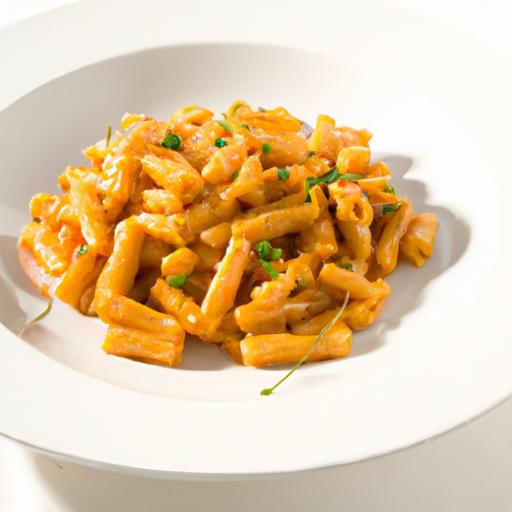
- Serve immediately: Plate the pasta in warm bowls, garnish with fresh basil and optional toasted pine nuts for a delightful crunch and aroma.
Chef’s Notes
- For a vegan version,substitute Parmesan with a plant-based nutritional yeast or vegan cheese.
- cooking tip: Whole grain whole wheat pasta may take slightly longer to cook than regular pasta.Taste test frequently in the last few minutes to achieve your preferred tenderness.
- To add lean protein, incorporate grilled chicken breast or sautéed tofu cubes, enhancing protein content without compromising the dish’s wholesome profile.
- Make-ahead: Prepare the vegetable sauté and cook pasta separately. combine and reheat gently before serving to maintain texture and flavor.
- Reserve pasta water is your secret weapon-it helps emulsify the sauce while keeping the dish moist without extra oil or cream.
Serving Suggestions
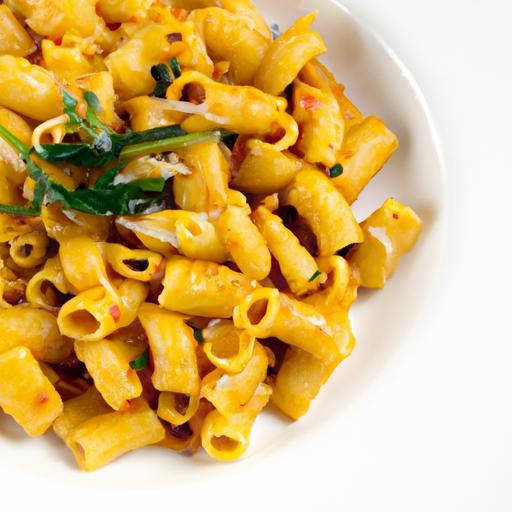
this whole grain whole wheat pasta shines when paired with crisp, fresh salads-consider a side of arugula tossed with lemon vinaigrette. Lightly toasted whole grain bread delivers satisfying crunch alongside. For an elevated touch, sprinkle microgreens or a drizzle of aged balsamic glaze before serving. The warm, golden tones of the cooked pasta combined with vibrant garden vegetables make each plate a feast for the eyes as well as the palate.
| Nutrient | Per Serving | Notes |
|---|---|---|
| Calories | 320 kcal | Balanced energy from complex carbs |
| Protein | 11 g | Supports muscle repair & satiety |
| Carbohydrates | 58 g | Slow-release fuel for lasting energy |
| Fat | 7 g | Primarily heart-healthy olive oil |
| Fiber | 7 g | Enhances digestion and fullness |

For further inspiration on whole grain dishes, explore our article on Healthy Grain Recipes to Boost Your Diet or dive deeper into the science of fiber benefits at Healthline’s Fiber Benefits Guide.
Q&A
Q&A: Unlocking Health - The Power of Whole Grain Whole Wheat pasta
Q1: What makes whole grain whole wheat pasta different from regular pasta?
A1: Whole grain whole wheat pasta is crafted using the entire wheat kernel-the bran,germ,and endosperm-unlike regular pasta,which is made from refined flour. This means it retains more fiber, vitamins, and minerals, offering a richer nutritional profile that supports better digestion and sustained energy.
Q2: How does the fiber content in whole wheat pasta benefit our health?
A2: The high fiber content aids in regulating blood sugar levels,improves gut health by promoting healthy digestion,and helps maintain a feeling of fullness longer. This can be a helpful ally in weight management and in reducing the risk of chronic diseases like heart disease and type 2 diabetes.
Q3: Does whole grain whole wheat pasta have a noticeable difference in taste and texture?
A3: Absolutely! Whole wheat pasta carries a nuttier, earthier flavor compared to its refined counterpart, lending depth to your dishes. The texture is slightly firmer and chewier, which many find pleasantly satisfying-especially when cooked al dente.
Q4: can whole wheat pasta be used in all recipes where regular pasta is used?
A4: Yes! Whole wheat pasta is incredibly versatile. From vibrant summer salads and hearty marinara dishes to creamy vegetable sauces and baked casseroles, it can seamlessly replace traditional pasta, enhancing the nutritional value without compromising taste.
Q5: How does whole grain pasta support heart health?
A5: Consuming whole grains, like whole wheat pasta, has been linked to lower cholesterol levels and reduced blood pressure. The broad spectrum of antioxidants, fiber, and essential nutrients helps keep arteries flexible and reduces inflammation, contributing to stronger cardiovascular health.
Q6: Is it suitable for people with gluten sensitivities?
A6: Whole wheat pasta contains gluten, so it’s not appropriate for individuals with celiac disease or gluten intolerance. However, for those without these conditions, whole wheat pasta can be part of a balanced, wholesome diet.
Q7: How can I make my whole wheat pasta dishes even healthier?
A7: Amp up your meals by pairing whole wheat pasta with a rainbow of vegetables, lean plant-based proteins like legumes or tofu, healthy fats from olive oil or nuts, and flavorful herbs and spices. This combination not only boosts fiber and nutrient intake but also creates a vibrant culinary experience.
Q8: Does whole wheat pasta cook the same way as regular pasta?
A8: Whole wheat pasta tends to take a minute or two longer to reach perfect doneness and benefits from stirring during cooking to prevent sticking. Cooking al dente preserves its texture and nutrients-plus, it keeps your dish delightfully firm and satisfying.
Embrace the wholesome goodness of whole grain whole wheat pasta and unlock a world where health meets hearty flavor-one delicious forkful at a time!
In Retrospect
As we twirl our forks through the rich, nutty strands of whole wheat pasta, we’re not just savoring a meal-we’re embracing a path to better health.Unlocking the power of whole grain whole wheat pasta invites us to nourish our bodies with fiber, vitamins, and minerals that fuel vitality from within. By making this simple yet transformative swap, you’re not only enhancing flavors on your plate but also investing in long-term wellness.So next time you reach for your pasta, remember: it’s more than just dinner-it’s a delicious step toward unlocking your healthiest self.