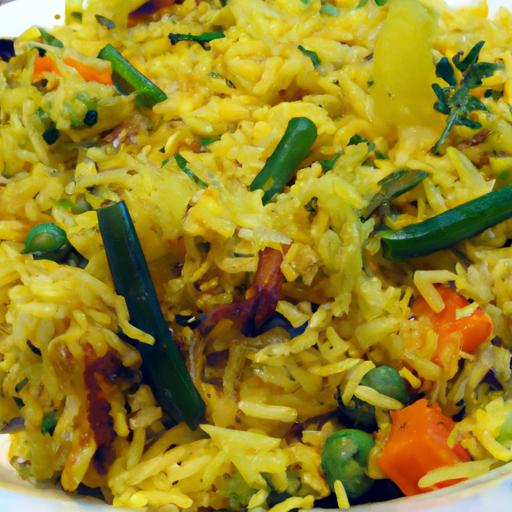

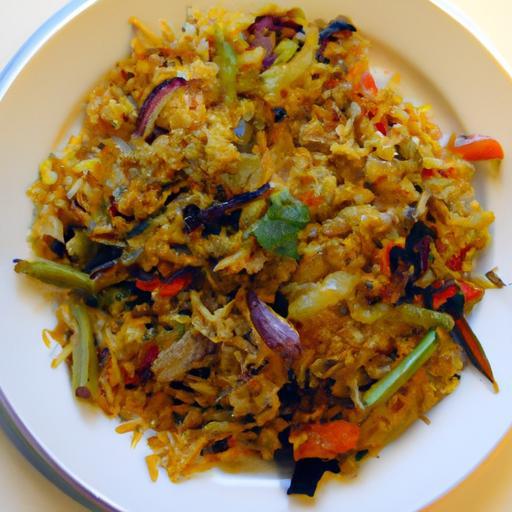
Bursting with vibrant hues and aromatic spices, vegetable biryani is much more then just a dish – it’s a celebration of culture, tradition, and culinary artistry. This flavorful feast brings together a medley of fresh vegetables, fragrant basmati rice, and a symphony of spices, creating a sensory experience that delights both the eyes and the palate. Whether enjoyed at festive gatherings or as a comforting meal at home, vegetable biryani embodies the perfect harmony of taste, texture, and color.In this article, we’ll explore the rich history, essential ingredients, and step-by-step preparation of this beloved classic, inviting you to discover why vegetable biryani continues to captivate food lovers around the world.
Vegetable Biryani: A Flavorful Feast of Color and Spice
Vegetable Biryani: A Flavorful Feast of Color and Spice is more than just a meal-it’s a celebration of vivid freshness and aromatic warmth that brings the vibrant soul of indian cuisine straight to your table. Originating from the royal kitchens of Mughal India, this dish marries fragrant basmati rice, handpicked seasonal vegetables, and masterfully balanced spices, resulting in a harmony of textures and flavors that never fails to impress.
Prep and Cook Time
- Preparation: 30 minutes
- Cooking: 45 minutes
- Total Time: 1 hour 15 minutes
Yield
- Servings: 6 generous portions
Difficulty Level
- Medium – Perfect for home cooks ready to elevate their spice skills
Ingredients
- 2 cups long-grain basmati rice, rinsed and soaked for 30 minutes
- 1 cup diced carrots
- 1 cup green beans, trimmed and chopped
- 1 cup cauliflower florets
- 1 cup cubed potatoes, parboiled
- 1 large onion, thinly sliced
- 2 tomatoes, finely chopped
- 1/2 cup chopped fresh coriander leaves
- 1/2 cup chopped fresh mint leaves
- 2 tablespoons ghee or vegetable oil
- 1 tablespoon ginger-garlic paste
- 2 green chilies, slit
- 1/4 teaspoon saffron strands soaked in 2 tablespoons warm milk
- 1 teaspoon turmeric powder
- 1 tablespoon red chili powder
- 1 tablespoon biryani masala powder
- 1 teaspoon cumin seeds
- 4-5 green cardamom pods
- 4 cloves
- 2 bay leaves
- 1 small piece cinnamon stick
- Salt to taste
- 3 1/2 cups water
- 1/4 cup fried onions (optional, for garnish)
- Juice of 1/2 lemon
Instructions
- Prepare the Rice: In a large pot, bring 3 1/2 cups of water to a boil along with 1 teaspoon cumin seeds, 2 cardamom pods, 2 cloves, 1 bay leaf, and a cinnamon stick.Add the soaked basmati rice with a pinch of salt. Cook until the rice is 70% done-grains should be tender but with a firm core. Drain and set aside to cool slightly.
- Sauté the Vegetables: Heat 2 tablespoons ghee or vegetable oil in a heavy-bottomed pan over medium heat. Add sliced onions and sauté until golden brown,about 8-10 minutes,stirring frequently.
- Add Aromatics: Stir in ginger-garlic paste and green chilies, cooking until fragrant, about 2 minutes. Then add tomatoes, turmeric powder, red chili powder, and salt.Cook until oil begins to separate from the masala.
- Vegetable Mix: Add diced carrots,green beans,cauliflower,and parboiled potatoes. Toss gently, coating each piece with the spiced tomato mixture. Cook on medium low for 8-10 minutes until vegetables are tender yet firm, stirring occasionally to prevent sticking.
- Layering the Biryani: In a large heavy-bottomed pot or Dutch oven, spread half the partially cooked rice evenly over the vegetable mix. Sprinkle half the biryani masala powder, half the coriander and mint leaves, and drizzle half the saffron milk and lemon juice.
- Repeat the layering: Add the remaining rice, followed by the rest of the biryani masala, fresh herbs, and saffron milk.Cover the pot tightly with a lid or seal with dough for an authentic dum cooking effect.
- Steam Cook (Dum Process): Place the pot on the lowest flame possible, using a heat diffuser if you have one.Cook for 25-30 minutes.This slow steaming locks in flavors and finishes the rice to a fluffy, dye-like texture with distinct grains.
- Rest and Garnish: Remove from heat and let rest for 10 minutes. Gently fluff the biryani with a fork, layering in the optional fried onions for an extra burst of sweetness and crunch.
- Serve Warm: Spoon servings onto warm plates and garnish with extra coriander leaves, mint, and wedges of lemon for an authentic experience.
Chef’s Notes & Tips for Success
- Choosing Vegetables: For ultimate freshness, opt for seasonal vegetables that are firm and brightly colored. Avoid soggy or wilted produce for the best texture contrast.
- rice Perfection: Soaking basmati rice for 30 minutes reduces cooking time and results in longer, fluffier grains.
- Saffron Substitute: if saffron is unavailable,a pinch of turmeric or a few drops of natural food coloring will add appealing color but not the unique aroma.
- Layering Magic: Avoid mixing the rice and vegetables vigorously after cooking to preserve the distinct texture of each layer-this technique enhances both flavor and presentation.
- Make-Ahead: Biryani tastes even better the next day. Store leftovers in an airtight container and gently reheat with a splash of water to rehydrate rice.
Serving Suggestions
Present your Vegetable Biryani with a side of cool cucumber raita or zesty lime pickle to balance the rich, spiced flavors. A simple bowl of fresh salad with shredded carrots, onions, and a squeeze of lemon complements the dish beautifully. For an inviting table, garnish with finely sliced mint and coriander leaves, a scattering of fried onions, and lemon wedges to squeeze on each bite. Use a wide, shallow serving dish to showcase the layered colors and textures, enticing guests before the first forkful.

| Nutrient | Per serving |
|---|---|
| Calories | 320 kcal |
| Protein | 8 g |
| Carbohydrates | 56 g |
| Fat | 6 g |
for more tips on balancing aromatic spices, check out our comprehensive guide to Indian spice blends. To deepen your understanding of basmati rice varieties and their cooking methods, visit the International Basmati Rice Organization.
Q&A
Q&A: Vegetable Biryani – A Flavorful Feast of Color and Spice
Q1: What is vegetable biryani, and why is it so beloved?
A1: Vegetable biryani is a vibrant, aromatic rice dish layered with an array of fresh vegetables, fragrant spices, and herbs. It’s beloved for its harmonious blend of colors,textures,and flavors-a true celebration of nature’s bounty packed into every bite. This dish is as visually stunning as it is tantalizing to the palate, making it a centerpiece on many festive tables.
Q2: Which vegetables work best in a vegetable biryani?
A2: The beauty of vegetable biryani lies in its versatility. Classic choices include carrots, peas, green beans, potatoes, cauliflower, and bell peppers. These vegetables bring a splendid mix of sweetness, crunch, and earthiness. Seasonal vegetables can also make a delightful addition, ensuring freshness and variety.
Q3: What spices give vegetable biryani its signature aroma?
A3: the aromatic soul of biryani is crafted from a blend of warm spices-cardamom, cloves, cinnamon, bay leaves, and star anise-paired with earthy cumin and coriander. A touch of saffron or turmeric lends an inviting golden hue, while fresh herbs like mint and cilantro add a refreshing lift. Together, these spices create a fragrant symphony that dances through every grain of rice.
Q4: How is the layering technique crucial in making vegetable biryani?
A4: Layering is the heart of biryani’s magic. Par-cooked rice and sautéed vegetables are arranged in alternating layers, often interspersed with fried onions, nuts, and sometimes a splash of saffron-infused milk. This layering ensures each spoonful offers a perfect balance of flavor and texture, as the biryani gently steams to meld all components into a cohesive, flavorful masterpiece.
Q5: Can vegetable biryani be customized for different dietary preferences?
A5: Absolutely! Vegetable biryani is inherently adaptable-it’s naturally vegetarian and can easily be made vegan by avoiding dairy such as ghee or yogurt, replacing them with plant-based oils or coconut milk.You can also tailor the spice level to suit your palate, from mild and warming to daringly spicy, crafting a personalized flavor journey.
Q6: What are some conventional accompaniments to vegetable biryani?
A6: Vegetable biryani often shines brightest when paired with cooling sides that balance its spice and richness.popular choices include raita, a refreshing yogurt-based condiment with cucumber and mint, or a tangy tomato chutney. Crisp salads and pickled vegetables also offer a vibrant contrast, elevating the entire meal into a festive feast.
Q7: How does vegetable biryani reflect cultural heritage?
A7: Rooted in the rich culinary traditions of the Indian subcontinent, vegetable biryani is more than just a dish-it’s a story of cultural exchange, innovation, and celebration. It showcases how simple kitchen staples are transformed through spice, patience, and love into a layered masterpiece that honors both tradition and creativity.
Q8: What tips can definitely help home cooks achieve restaurant-quality vegetable biryani?
A8: Start with quality basmati rice and soak it to ensure fluffy,separate grains. Sauté your spices and vegetables gently to coax out their best flavors.Don’t rush the layering and steaming process-allowing the biryani to rest off heat helps the aromas mingle beautifully. And garnish generously with fried onions, fresh herbs, and toasted nuts to add texture and eye-catching appeal.
Key Takeaways
As the fragrant aromas of saffron, cardamom, and turmeric mingle with vibrant vegetables in each steaming spoonful of vegetable biryani, we are reminded that this dish is far more than just a meal-it is a celebration of culture, color, and culinary artistry. Whether enjoyed at a festive gathering or savored in quite moments, vegetable biryani invites us to explore layers of spice and texture, painting a flavorful feast that delights both the eyes and the palate. In every grain of rice and every bite of tender veggies lies a story of tradition, innovation, and the timeless joy of sharing food that nourishes body and soul alike. So next time you crave a dish that’s as visually stunning as it is indeed richly spiced, let vegetable biryani transport you to a world where flavor and festivity intertwine in perfect harmony.