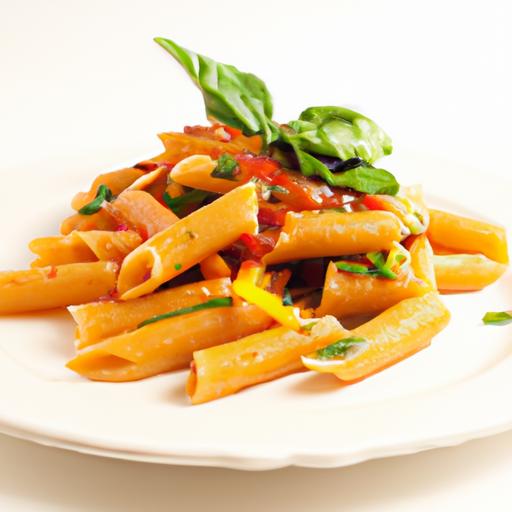

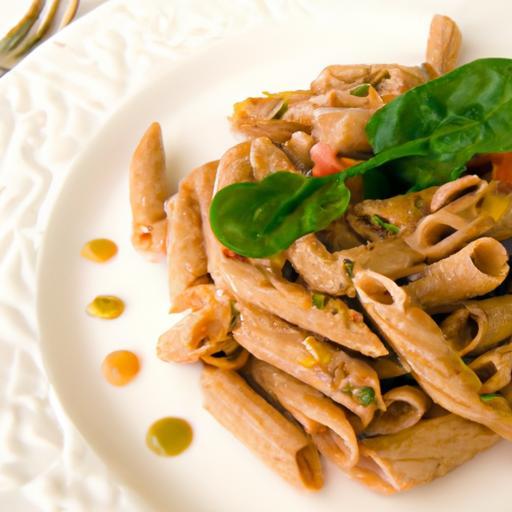
In a world where culinary trends come and go, whole wheat pasta stands as a timeless bridge between ancient traditions and modern nutrition. Born from grains that have nourished civilizations for millennia, this humble staple is undergoing a well-deserved renaissance. More than just a hearty option to its refined counterpart, whole wheat pasta invites us to rediscover the rich flavors, textures, and health benefits hidden within ancient grains. Join us as we unlock the power of whole wheat pasta-celebrating its origins, exploring its nutritional prowess, and inspiring a delicious shift toward mindful eating.
Whole wheat pasta offers more than just a hearty texture and nutty flavor; it’s a nutritional powerhouse rooted in the rich heritage of ancient grains. This wholesome alternative to refined pasta boasts a robust profile of fiber, minerals, and antioxidants that nourish the body while delighting the palate. Embracing whole wheat pasta in your kitchen bridges culinary tradition with modern wellness, creating dishes that are as satisfying as they are beneficial. Drawing from my own journey exploring traditional Italian kitchens and mindful eating, this recipe celebrates the alluring depth and integrity of whole wheat pasta-an ingredient that transforms everyday meals into wholesome celebrations of health.
Prep and Cook Time
- Planning: 10 minutes
- Cooking: 12 minutes
- Total Time: 22 minutes
Yield
Serves 4 comfortably
Difficulty Level
Easy
Ingredients
- 12 oz whole wheat pasta (penne,fusilli,or your favorite shape)
- 3 tbsp extra virgin olive oil
- 4 cloves garlic,finely minced
- 1 medium onion,thinly sliced
- 1 cup cherry tomatoes,halved
- 2 cups fresh baby spinach,packed
- 1/2 cup toasted pine nuts
- 1/4 cup nutritional yeast or finely grated hard cheese substitute
- Salt and cracked black pepper,to taste
- Fresh basil leaves,for garnish
- zest of 1 lemon (optional)
- 1/2 cup reserved pasta cooking water
Instructions
- Bring a large pot of salted water to a rolling boil. Add the whole wheat pasta and cook according to package instructions, typically 9-12 minutes, until al dente. Stir occasionally to prevent sticking.
- While the pasta cooks, heat olive oil in a large skillet over medium heat. Add the minced garlic and sliced onion, sauté gently until fragrant and translucent, about 5 minutes. Stir frequently to avoid browning the garlic too quickly.
- Add the cherry tomatoes to the skillet. Cook until they soften and release their juices, about 4 minutes, stirring occasionally to blend flavors.
- Drain the pasta, reserving 1/2 cup of cooking water. Transfer pasta to the skillet, tossing gently to combine with the tomato and onion mixture.
- Gradually add the reserved cooking water to the skillet while tossing, allowing the starchy liquid to create a light sauce that clings to the pasta.
- Stir in the baby spinach and cook just until wilted, about 2 minutes. Season with salt and freshly cracked black pepper to your preference.
- Remove from heat, then sprinkle the toasted pine nuts and nutritional yeast over the pasta.Toss lightly to combine and impart a toasty, umami flavor.
- Finish with fresh basil leaves and a touch of lemon zest for brightness and an aromatic lift. Serve immediately.
Tips for Success
- Choosing the pasta: Opt for 100% whole wheat pasta to enjoy optimal fiber and nutrients-semolina blends tend to be less dense and more tender.
- Cooking time matters: Whole wheat pasta takes slightly longer to cook than refined varieties. Test frequently near the end to avoid an overly chewy texture.
- Enhance flavor: Use high-quality extra virgin olive oil for that peppery richness that complements whole wheat’s earthiness superbly.
- Make ahead: You can prepare the tomato and spinach sauce a day ahead and gently reheat before adding fresh ingredients and pasta.
- Substitutions: Swap pine nuts for walnuts or almonds for a different nutty texture; try kale or swiss chard if spinach isn’t available.
Serving Suggestions
This whole wheat pasta pairs beautifully with a fresh garden salad drizzled with lemon vinaigrette for an effortless, balanced meal. For an extra layer of richness, garnish with shaved hard cheese or a dollop of herbed ricotta. A sprinkle of freshly cracked black pepper and a few chili flakes can awaken the palate and add subtle heat. Serve on rustic earthenware plates or wooden bowls to highlight the pasta’s deep caramel tones, enhancing the meal’s sensory appeal.
| Nutrient | Per Serving |
|---|---|
| Calories | 360 kcal |
| Protein | 13 g |
| Carbohydrates | 58 g |
| Fat | 10 g |
| Dietary fiber | 8 g |

For more insights on nourishing ancient grains and how to incorporate them effortlessly into your kitchen, check out our guide to ancient grain recipes. To dive deeper into the science behind whole wheat’s health benefits, visit Harvard T.H. Chan School of Public Health for trusted research and updates.
Q&A
Q&A: Whole Wheat Pasta – Unlocking the Power of Ancient Grains
Q1: What makes whole wheat pasta different from regular pasta?
A1: Whole wheat pasta is crafted from flour that includes the entire wheat kernel-the bran, germ, and endosperm-retaining all the grain’s natural nutrients. Unlike refined pasta,which uses only the starchy center,whole wheat pasta offers a richer,nuttier flavor and a hearty,satisfying texture. It’s like enjoying a pasta with a story steeped in ancient grain wisdom!
Q2: Why should I consider adding whole wheat pasta to my meals?
A2: Whole wheat pasta is a nutritional powerhouse. It’s packed with fiber that supports digestion, complex carbohydrates that provide lasting energy, and a bounty of vitamins and minerals like iron, magnesium, and B vitamins. Incorporating it into your meals helps nurture your body with wholesome, grounding nutrition-perfect for those who want comfort and vitality on the plate.
Q3: Does whole wheat pasta taste very different from traditional pasta?
A3: Absolutely! Whole wheat pasta carries a warm, earthy essence that pairs beautifully with bold and fresh flavors. While it may be heartier and slightly denser than traditional pasta, this intrinsic nuttiness invites creativity-think vibrant tomato sauces, roasted vegetable medleys, or fragrant herb dressings that celebrate the grain’s unique character.Q4: Can whole wheat pasta be cooked the same way as regular pasta?
A4: Yes, but with a small twist! Whole wheat pasta frequently enough requires a bit more attention during cooking. It usually needs a few extra minutes to soften, so keep an eye on it to achieve that perfect al dente bite without becoming mushy. Stir it gently and taste frequently-your pasta will thank you with a pleasantly chewy texture.
Q5: Is whole wheat pasta suitable for people with dietary restrictions?
A5: Whole wheat pasta is an excellent choice for those seeking high-fiber or plant-based options, but it is indeed not gluten-free. People with gluten sensitivities or celiac disease should look for alternatives made from gluten-free ancient grains like quinoa, millet, or brown rice. However,for many,whole wheat pasta offers a nourishing and satisfying way to enjoy ancient grains.
Q6: How can I incorporate whole wheat pasta into everyday cooking?
A6: think of whole wheat pasta as a versatile canvas! Toss it with vibrant vegetables like roasted bell peppers, sautéed mushrooms, and sun-dried tomatoes. Add a drizzle of extra virgin olive oil,a sprinkle of toasted nuts or seeds,and fresh herbs like basil or oregano for an easy,flavorful meal. For a protein boost,plant-based ingredients such as chickpeas or lentils make a perfect companion.
Q7: What ancient grains are related to or similar to whole wheat used in pasta?
A7: Whole wheat is part of a grand tradition of ancient grains that have sustained humanity for millennia. Cousins in this family include spelt, farro, and einkorn-all offering unique flavors and nutritional profiles. Exploring these grains in pasta form expands your culinary adventure and deepens your connection to time-honored, nourishing foods.
Q8: Does whole wheat pasta help with weight management or overall health?
A8: Thanks to its fiber-rich makeup and slow-digesting carbs, whole wheat pasta promotes a feeling of fullness and steady energy release, which can assist in maintaining balanced blood sugar and curbing overeating. When paired with wholesome ingredients, it becomes an ally in a healthy lifestyle-balancing pleasure and wellness on every plate.
Q9: Where can I find good quality whole wheat pasta?
A9: Seek out artisanal brands or health food stores that prioritize stone-ground flours and traditional milling methods. Authentic whole wheat pasta often comes with a richer color and aroma.Farmers’ markets or specialty grocers may also offer varieties made from ancient wheat strains, adding further depth to your culinary journey.
Q10: Any tips for someone trying whole wheat pasta for the first time?
A10: Embrace the change with an open mind and an eager palate! Start by mixing whole wheat pasta with your favorite sauce or fresh garden veggies. Don’t rush the cooking process-aim for tender yet firm. And remember, it’s a delicious step into a world where ancient grains lend their strength to timeless dishes. Your taste buds-and your body-will thank you.
Final Thoughts
As we journey back to the roots of our culinary heritage, whole wheat pasta emerges not just as a dish, but as a gateway to the nourishing legacy of ancient grains. Embracing this hearty staple invites us to savor flavors steeped in tradition while unlocking a treasure trove of health benefits that modern diets often overlook. Whether twirled atop your fork or folded into a comforting casserole, whole wheat pasta reminds us that sometimes, the most powerful ingredients are those that have been quietly fueling cultures for centuries. So next time you reach for a quick meal, consider the ancient grains beneath the strands – a delicious way to connect past and present, plate and health, all in one wholesome bite.