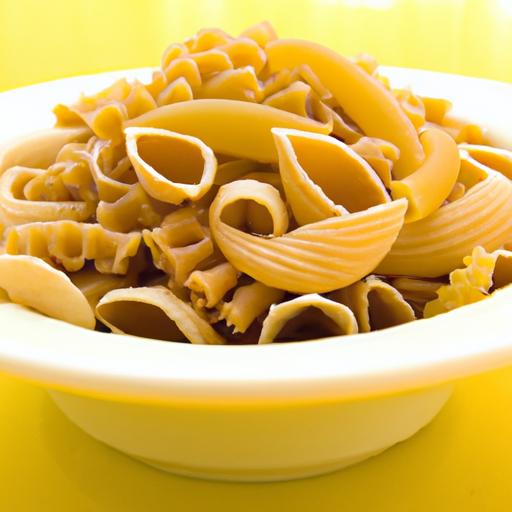

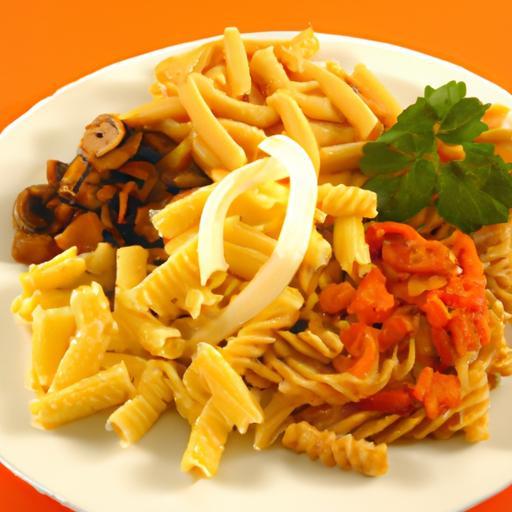
Beneath the familiar strands of your favorite pasta dish lies a humble grain with a story as rich and textured as the meal itself.Whole wheat pasta, frequently enough overshadowed by it’s refined counterparts, invites us to explore a world where nutrition meets tradition and flavor dances with fiber. in this article, we’ll pull back the curtain on the grain behind the noodles-unveiling the origins, benefits, and culinary possibilities of whole wheat pasta. Prepare to see your plate in a new light, where every bite connects you to the earth and centuries of wheat-growing heritage.
Understanding Whole Wheat Grain From Field to Flour
Whole wheat pasta invites you to explore the remarkable journey of the hearty grain that begins its life swaying in sunlit fields before transforming into the nutritious flour that forms its foundation. Harvested with care, whole wheat kernels retain all layers of the grain’s bran, germ, and endosperm, preserving the fiber and nutrients lost in refined flours. This integrity gives whole wheat pasta its signature nutty aroma and satisfying texture, celebrating nature’s bounty in every bite.
The milling process gently grinds these kernels into flour that retains robust flavor and wholesome qualities.This process, combined with the artisan technique of pasta-making, ensures that each strand or shape carries depth and nourishment. Choosing whole wheat pasta means embracing the humble grain’s full story, from the golden fields straight to your plate.
Nutritional Benefits That Make Whole Wheat Pasta a Smart Choice
Whole wheat pasta is a powerhouse of nutrition, rich in fiber, essential vitamins, and minerals that support heart health, digestive wellness, and sustained energy. The high fiber content promotes satiety,helping balance blood sugar levels-a perfect choice for anyone conscious about healthy eating without sacrificing flavor.
| Nutrient | Amount per 2 oz (dry) |
|---|---|
| Calories | 180 |
| Protein | 8g |
| Carbohydrates | 37g |
| fiber | 6g |
| Fat | 1.5g |
Whole wheat pasta’s low glycemic index helps moderate blood sugar spikes compared to regular refined pasta. Beyond nutrients, the natural antioxidants in the bran provide an added wellness boost, supporting your body as you savor every forkful of wholesome goodness.
Cooking Tips to Bring Out the Best Flavor and Texture
To fully unlock the rich nuttiness and pleasantly firm bite that whole wheat pasta is known for, gentle yet precise cooking is key. Start with a large pot of boiling, generously salted water-think ocean waves in flavor. Whole wheat pasta often requires a slightly longer cook time, typically 1 to 3 minutes more than customary pasta, to soften without losing its springy texture.
A helpful trick is to taste the pasta a minute before the package’s suggested time; you’re aiming for “al dente” – tender yet with a slight chew. Avoid overcooking,which can dull both flavor and structure.
After draining, toss the pasta immediately with a drizzle of olive oil or your sauce of choice to prevent sticking. For a flavor boost, try finishing with a splash of fresh lemon juice or a sprinkle of toasted nuts, which will highlight and complement the pasta’s earthy character.
Creative Recipes to Elevate Your Whole Wheat Pasta Experience
Transform whole wheat pasta into an unforgettable culinary adventure with inventive pairings that balance texture and flavor. Picture a vibrant mediterranean-inspired dish where roasted cherry tomatoes,kalamata olives,fresh basil,and tangy feta cheese mingle with peppery arugula and toasted pine nuts. Or indulge in a creamy avocado pesto infused with garlic, lemon, and fresh herbs, tossing the pasta until luxuriously coated.
For a cozy meal, simmer your whole wheat noodles in a hearty vegetable ragù bursting with mushrooms, zucchini, and sun-dried tomatoes, topped with fresh parsley and shaved Parmigiano-Reggiano. The chewy pasta perfectly marries the richness of the sauce, making each bite deeply satisfying.
Beyond sauces, whole wheat pasta flourishes in cold salads too. Combine cooled pasta with crisp cucumbers, bell peppers, chickpeas, and a zesty cumin-lime dressing for a refreshing summer side or lunch.
Prep and Cook Time
- Planning: 10 minutes
- Cooking: 10-12 minutes
- Total Time: 20-22 minutes
Yield
Serves 4 generous portions
difficulty Level
Easy – perfect for home cooks seeking a nutritious upgrade to everyday pasta dishes
Ingredients
- 12 oz whole wheat pasta (e.g., penne, fusilli, or spaghetti)
- 2 tbsp extra virgin olive oil
- 3 cloves garlic, minced
- 1 cup cherry tomatoes, halved
- 1 cup baby spinach or arugula
- 1/4 cup toasted pine nuts
- 1/2 cup feta cheese, crumbled (optional for topping)
- Salt and freshly ground black pepper, to taste
- 1 tbsp fresh basil, chopped
- Juice of 1 lemon
instructions
- Bring a large pot of salted water to a rolling boil. Add the whole wheat pasta and cook according to package instructions, typically 10-12 minutes, stirring occasionally to prevent sticking. Taste a piece at 9 minutes to check for desired firmness.
- Meanwhile, heat 2 tbsp olive oil in a large skillet over medium heat. Add minced garlic and sauté until fragrant and lightly golden, about 1 minute, stirring constantly to avoid burning.
- Add halved cherry tomatoes to the skillet and cook, stirring occasionally, until tomatoes soften and release their juices, about 5 minutes.
- Drain the pasta well, reserving 1/4 cup of pasta water. Immediately add the pasta to the skillet with tomatoes. toss to combine, adding reserved pasta water a little at a time to loosen the sauce if needed.
- Stir in baby spinach or arugula and fresh basil, cooking just until greens wilt, about 1-2 minutes.
- Season generously with salt, black pepper, and lemon juice to brighten flavors.
- Transfer pasta to serving bowls, sprinkle with toasted pine nuts and crumbled feta cheese if using. Drizzle a little more olive oil on top for gloss and richness.
Chef’s Notes
- Substitutions: Swap feta with shaved Parmigiano-Reggiano or vegan cheese for dairy-free options.
- Make Ahead: Cook pasta al dente and toss lightly in olive oil. Cool and refrigerate up to 24 hours; reheat gently with sauce.
- customization: Add sautéed mushrooms or roasted bell peppers for added depth and texture.
- Common Issue: If pasta sticks, stir frequently while boiling, and drain thoroughly. A splash of reserved pasta water helps create a cohesive sauce.
Serving Suggestions
Serve this whole wheat pasta warm, paired beautifully with a crisp green salad and crusty artisan bread. Garnish with extra fresh basil or a sprinkle of red pepper flakes for heat.A light drizzle of high-quality olive oil added just before serving enhances the dish’s natural richness and visual appeal. For an elegant touch, a side of lemon wedges invites each diner to add a zesty burst, elevating the whole dish.

For more inspiration on whole grain cooking, visit Whole Grains Council and check out our guide on nutritional benefits of whole wheat pasta.
Q&A
Q&A: Whole Wheat Pasta – Unveiling the Grain Behind the Noodles
Q1: What exactly is whole wheat pasta, and how does it differ from regular pasta?
Whole wheat pasta is made from whole grain wheat flour, which means it retains all parts of the grain-the bran, germ, and endosperm. Unlike refined pasta, which uses only the starchy endosperm, whole wheat pasta offers more fiber, nutrients, and a nuttier flavor. This difference creates a heartier texture and deeper taste that can elevate your pasta dishes in both nutrition and character.
Q2: Why should I consider choosing whole wheat pasta over traditional white pasta?
Opting for whole wheat pasta is like choosing a road paved with more nutrition. It provides higher fiber content, which supports digestion and helps keep you full longer.it also contains more vitamins and minerals, like B vitamins, iron, and magnesium. Plus, its lower glycemic index means it releases energy more steadily, which can be a great ally for balanced blood sugar.
Q3: Can whole wheat pasta be just as versatile in the kitchen as regular pasta?
Absolutely! Whole wheat pasta can take centre stage in a variety of dishes, from classic tomato sauces to vibrant veggie medleys. its robust flavor pairs wonderfully with earthy mushrooms, roasted vegetables, tangy tomatoes, and creamy plant-based sauces. Just remember to adjust cooking times slightly and serve it with bold, fresh ingredients that complement its hearty grain-forward taste.
Q4: How should I cook whole wheat pasta to get the best texture?
Whole wheat pasta usually requires a tad more attention in the pot. It often needs a longer boil-usually a couple of minutes more than white pasta-but keep an eye on it to achieve an al dente bite without becoming mushy. Stirring frequently during cooking and draining promptly can help preserve its firm yet tender texture.
Q5: Does whole wheat pasta have any impact on the surroundings compared to refined pasta?
In many cases, choosing whole grain products means embracing a more enduring approach. Whole wheat pasta uses the entire grain, reducing waste in milling and processing. Moreover, whole grains often rely less on intensive refining methods, which can lower energy and water use. While farming practices vary, supporting whole grain options frequently enough aligns with a more environmentally conscious diet.
Q6: Are there any tips for pairing whole wheat pasta with sauces or ingredients that highlight its flavor?
think bold and shining! The nutty, slightly earthy notes in whole wheat pasta shine when paired with vibrant tomato sauces enhanced by fresh herbs like basil and oregano. Roasted garlic, caramelized onions, and toasted nuts can add delightful layers of flavor. Lightly sautéed greens, such as spinach or kale, add freshness and color-making every bite rich and complex.
Q7: Can whole wheat pasta be enjoyed by those with gluten sensitivities?
Whole wheat pasta does contain gluten, as it’s derived from wheat.For individuals with gluten intolerance or celiac disease, it’s best to explore option grains like quinoa, brown rice, or chickpea pastas specifically designed gluten-free. For everyone else, whole wheat pasta offers a textured, nutritious option to savor.
Q8: How does whole wheat pasta contribute to overall health beyond its fiber content?
Beyond fiber, whole wheat pasta is a pantry powerhouse of antioxidants, vitamins, and minerals preserved in the bran and germ. These compounds support heart health, aid in metabolism, and deliver steady energy. Incorporating whole wheat pasta into balanced meals can be a simple but effective way to nourish the body while satisfying pasta cravings.
Embrace the grain behind the noodles and let whole wheat pasta remind you that sometimes, the best stories start with what’s beneath the surface-rich, wholesome, and full of flavor.
To Conclude
As the final forkful reveals, whole wheat pasta is much more than a humble staple-it’s a celebration of the grain’s rich heritage, nutritional prowess, and hearty flavor. By embracing the whole kernel, we invite a deeper connection to the food on our plates and a mindful thankfulness for the journey from field to fork. Whether twirled in a vibrant sauce or tossed in a fresh salad, whole wheat pasta transforms everyday meals into nourishing experiences that honor both taste and tradition. So next time you reach for noodles, consider the grain behind the gleam-whole wheat’s story is waiting to be savored.