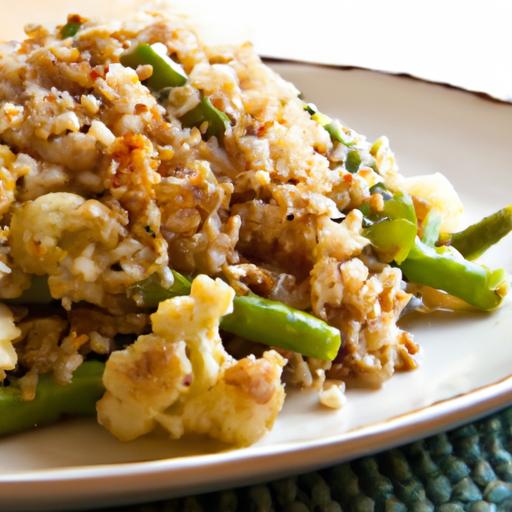

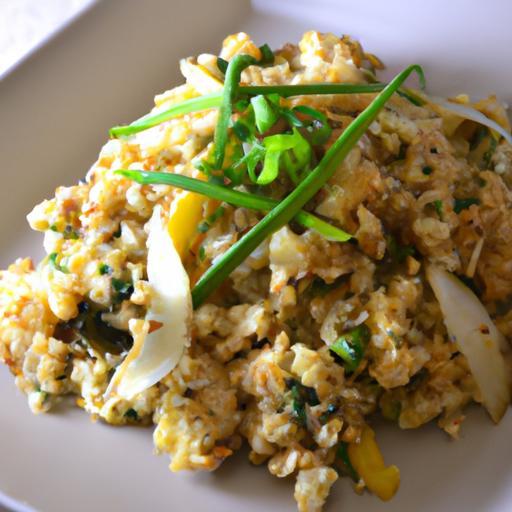
In the bustling world of culinary innovation, where flavour meets health in delightful harmony, cauliflower fried rice emerges as a shining star. This wholesome twist on a beloved classic offers all the savory satisfaction of traditional fried rice, but with a nourishing low-carb makeover that even the most devoted carb-lovers can appreciate. Bursting with vibrant colors and textures, cauliflower fried rice transforms a humble vegetable into a canvas of flavor and nutrition-proving that eating well doesn’t mean compromising on taste. Whether you’re seeking a lighter meal option or simply curious to explore new ways to enjoy your veggies, this recipe is your gateway to a deliciously guilt-free indulgence.
Wholesome Cauliflower Fried Rice is a revitalizing take on a beloved classic that expertly marries nutrition with bold, fresh flavors. This vibrant dish originated as a clever way to enjoy the comforting texture of fried rice without the extra carbs, embracing cauliflower as the star ingredient. Personally, discovering this recipe transformed my approach to healthy comfort food, proving that wholesome can also be wildly satisfying. The secret lies in perfecting the balance of savory seasonings and crisp-tender vegetables, creating a bowl that satiates both hunger and taste buds.
Prep and Cook Time
- Preparation: 15 minutes
- Cooking: 10 minutes
- Total Time: 25 minutes
yield
Serves 4 generous portions
Difficulty Level
Easy to Medium – approachable for home cooks seeking vibrant, nutritious meals
Ingredients
- 1 medium head of cauliflower, riced (about 4 cups)
- 2 tablespoons avocado oil or light olive oil
- 3 large eggs, lightly beaten
- 1 cup diced carrots
- 1 cup frozen peas, thawed
- 1 small onion, finely chopped
- 3 cloves garlic, minced
- 3 tablespoons low-sodium soy sauce or tamari
- 1 tablespoon toasted sesame oil
- 2 stalks green onions, sliced thinly
- 1 teaspoon freshly ground black pepper
- Optional garnish: chopped fresh cilantro, toasted sesame seeds
Instructions
- Prepare the cauliflower rice: Rinse and pat dry the cauliflower. Pulse florets in a food processor until they resemble rice grains, being careful not to over-process into mush.
- Cook the eggs: Heat 1 tablespoon avocado oil in a large skillet or wok over medium heat. Add eggs and scramble gently until just set. Remove to a plate and set aside.
- Sauté aromatics and vegetables: Increase heat to medium-high and add remaining oil. Sauté onion and garlic until fragrant and translucent, about 2 minutes. Add diced carrots and cook until tender but still crisp, 3-4 minutes.
- Add the cauliflower rice: Toss cauliflower rice into the skillet.Stir constantly, cooking until it softens but remains slightly firm-about 5 minutes. This step is crucial in achieving the perfect low-carb texture so your dish isn’t mushy.
- Combine and season: Stir in peas, cooked eggs, soy sauce, and black pepper.Toss everything evenly, allowing the soy sauce to flavor the rice thoroughly.
- Finish with sesame oil & green onions: Turn off heat and drizzle toasted sesame oil over the fried rice. add sliced green onions and fold gently to incorporate the final burst of flavor.
- Serve hot: Garnish with fresh cilantro and toasted sesame seeds if desired. Enjoy immediately for the best texture and freshness.
Tips for Success
- Ensure cauliflower is well-drained: After pulsing, place the riced cauliflower in a clean kitchen towel and squeeze out excess moisture to avoid soggy fried rice.
- Use high heat: Cooking over medium-high heat is key to getting the slight toastiness that mimics traditional fried rice texture.
- Customize your vegetables: Swap in bell peppers, snap peas, or baby corn for exciting seasonal variations.
- Make it vegan: Replace eggs with crumbled firm tofu sautéed with turmeric for colour and a protein boost.
- Meal prep pleasant: Store in an airtight container for up to 3 days and reheat in a skillet to maintain texture.
Serving Suggestions
This dish shines as a main or side. Pair it with grilled chicken breast or pan-seared salmon for a balanced meal. For an extra vibrant touch, plate with a wedge of lime to squeeze over just before eating. Serving with a side of rapid cucumber salad or steamed edamame elevates the wholesome experience.
For a visually stunning presentation, garnish with a sprinkle of toasted sesame seeds, finely sliced green onions, and a few sprigs of fresh cilantro. The colorful contrast will make every bite as inviting as it tastes.
| Nutrition (per serving) | Amount |
|---|---|
| Calories | 180 kcal |
| Protein | 9 g |
| Carbohydrates | 12 g |
| Fat | 11 g |

Discover how vibrant and fulfilling wholesome cauliflower fried rice can be – a true party of flavors and nutrition.
For more innovative low-carb recipes and detailed ingredient guides, visit our Healthy Keto Recipes collection.To understand the nutritional benefits of cauliflower better, check out this authoritative overview from The British Nutrition Foundation.
Q&A
Q&A: Wholesome Cauliflower Fried Rice - A Tasty Low-Carb Twist
Q: What makes cauliflower fried rice a wholesome alternative to traditional fried rice?
A: Cauliflower fried rice swaps out white or brown rice for finely chopped cauliflower, significantly reducing carbs and calories. This veggie-based base provides fiber, vitamins, and antioxidants, making it a nutrient-packed, guilt-free dish that supports a balanced diet.
Q: how do you prepare cauliflower rice so it resembles the texture of real rice?
A: The secret lies in finely pulsing raw cauliflower florets in a food processor until they reach small,rice-like granules. Lightly sautéing the cauliflower in a hot pan removes excess moisture and softens it just enough to mimic the fluffy texture of traditional fried rice without becoming mushy.
Q: Which ingredients best complement cauliflower fried rice to keep it flavorful yet wholesome?
A: Fresh vegetables like bell peppers, snap peas, carrots, and green onions add vibrant color and crunch. Protein sources such as eggs,tofu,or chicken elevate the dish’s satiety factor. Seasonings like garlic, ginger, soy sauce or tamari, and a touch of sesame oil infuse savory depth without overpowering the natural freshness.Q: Can cauliflower fried rice be customized for different dietary preferences?
A: Absolutely! For vegans, simply omit eggs and opt for tofu or tempeh. Those following a gluten-free diet can choose tamari or coconut aminos instead of soy sauce. This dish’s versatility shines, making it easy to tailor flavors and nutrition to your needs.
Q: What are some tips for cooking cauliflower fried rice so it doesn’t become soggy?
A: Avoid steaming or boiling the cauliflower beforehand; raw pulses yield the best texture. Cook veggies and proteins separately if needed, then combine everything in a hot skillet just long enough to blend flavors and heat thru. High heat and quick stirring are your best friends here.
Q: Why is cauliflower fried rice a grate meal for busy weeknights?
A: It comes together swiftly, often in under 30 minutes, and uses mostly pantry staples plus fresh produce. Its balanced combination of veggies, protein, and healthy fats makes it a complete meal that’s both satisfying and nourishing, helping you fuel your day without fuss.
Q: Can leftovers of cauliflower fried rice be safely stored and reheated?
A: Definitely! Store leftovers in an airtight container in the fridge for up to 3 days.Reheat on the stove or in a microwave, adding a splash of water or soy sauce to refresh the dish’s moisture and flavor. It holds up well, making it a perfect make-ahead lunch or dinner.
The Way Forward
Whether you’re seeking a lighter alternative to traditional fried rice or simply eager to add a nutrient-packed dish to your meal rotation, wholesome cauliflower fried rice offers a flavorful, low-carb solution that doesn’t skimp on satisfaction. Its vibrant medley of fresh ingredients and subtle earthiness from the cauliflower proves that healthy eating can be both creative and delicious. Next time you crave that comforting stir-fried goodness, let this innovative twist inspire you to cook smarter and eat well-one colorful, wholesome bite at a time.