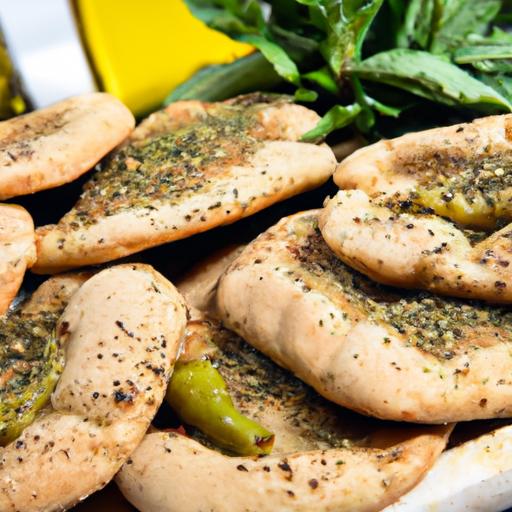

In the rich tapestry of Middle Eastern cuisine, few dishes capture the essence of tradition and simplicity quite like the beloved Zaatar & Olive Oil Flatbread. This humble yet irresistible creation,were aromatic zaatar-a vibrant blend of thyme,sumac,and sesame seeds-meets the silky richness of extra virgin olive oil,offers a sensory journey into a world of earthiness and warmth. More than just a snack, this flatbread is a cultural staple, a communal comfort, and a testament to the region’s culinary heritage. Join us as we explore the flavors, history, and art behind this flavorful Middle Eastern delight that continues to enchant palates far beyond its origins.
Exploring the Rich history and Cultural Significance of Zaatar and Olive Oil
Zaatar & Olive Oil Flatbread is more than just a flavorful snack; it’s a culinary journey steeped in centuries of tradition across the Middle East. This simple yet profoundly aromatic dish traces its roots to ancient Levantine cultures, where zaatar-a fragrant herb blend combining wild thyme, sumac, sesame seeds, and savory herbs-and locally pressed olive oil were staples of everyday life. Olive oil, revered as “liquid gold,” has nourished generations, symbolizing health, vitality, and hospitality, while zaatar’s complex flavors have been cherished for their therapeutic and symbolic qualities.
Sharing this flatbread is a communal experience, often enjoyed alongside family and friends with warm conversations and the clinking of tea glasses. Its cultural significance is reflected in its daily presence at tables, celebrations, and marketplaces, connecting past and present through flavor. Growing up with these ingredients in my kitchen, crafting a flatbread brushed with this earthy, shining mixture evokes feelings of home and warmth that I’m excited to share with you.
Mastering the Perfect Flatbread Dough for Authentic Middle Eastern Flavors
Creating an authentic Middle Eastern flatbread dough requires balancing simplicity with technique. The goal is a tender, chewy base that crisps lightly at the edges to showcase the vibrant zaatar and olive oil topping. Using high-quality, unbleached all-purpose flour combined with just the right amount of water, yeast, and salt ensures a dough that’s easy to handle and full of character. Allowing the dough to rest and rise properly is essential,unlocking gluten development for elasticity and that quintessential middle Eastern softness.
The Art of Blending Zaatar Spice and Olive Oil for Maximum Aroma and Taste
The beauty of zaatar & olive oil flatbread lies in the marriage of its topping ingredients. To maximize aroma and taste, blend freshly ground zaatar spices with robust, cold-pressed extra virgin olive oil. A gentle balance between the earthy, tangy zaatar and the smooth, fruity olive oil enhances every bite, elevating the flatbread from simple to sublime. Using a vibrant green, peppery olive oil will pepper your palate with an unforgettable finish, while freshly toasted sesame seeds in the blend bring nuttiness and crunch.
Serving Suggestions and Pairing Ideas to Elevate Your Zaatar Flatbread Experience
To best enjoy this flatbread, serve it warm with vibrant sides that complement the herbaceous zaatar flavors. Fresh labneh drizzled with a touch of honey, crisp cucumber and tomato salad, or smoky roasted eggplants create a delightful balance. For a fuller meal, pair it with marinated olives, pickled vegetables, or grilled halloumi cheese. Garnish with fresh parsley or sumac to add color and extra zing.The flatbread also makes an elegant base for simple breakfast spreads or refined mezze platters that invite sharing and conversation.
Prep and Cook Time
- Readiness: 15 minutes
- Resting/Rising: 1 hour 30 minutes
- Cooking: 10-12 minutes
- Total Time: Approximately 2 hours
Yield
Makes 4 medium-sized flatbreads (about 8 inches each), serving 4-6 people.
Difficulty Level
Medium – Requires basic dough handling and attention to rising times.
Ingredients
- For the Flatbread Dough:
- 2 cups all-purpose flour, sifted
- 1 tsp active dry yeast
- ¾ cup warm water (110°F/43°C)
- ½ tsp fine sea salt
- 1 tbsp olive oil, plus extra for greasing
- For the Zaatar Spread:
- 3 tbsp high-quality zaatar spice blend
- 5 tbsp extra virgin olive oil
Instructions
- Activate the yeast: In a small bowl, combine warm water and yeast.Let it sit for 5-7 minutes until foamy, indicating yeast activation.
- Make the dough: In a large mixing bowl, whisk together flour and salt. Gradually stir in the yeast mixture and olive oil. Mix with a wooden spoon or your hand until a rough dough forms.
- Knead: Transfer dough to a floured surface and knead for 8-10 minutes until smooth and elastic. If the dough is sticky, lightly dust your hands with flour but avoid adding too much to keep dough soft.
- First rise: Lightly oil a bowl and place the dough inside. Cover with a damp cloth or plastic wrap and let it rise in a warm place for 1 hour or until doubled in size.
- Preheat oven: Place a pizza stone or baking sheet in the oven and preheat to 475°F (245°C). The high temperature ensures a crisp crust.
- Shape the flatbreads: Punch down the dough and divide it into 4 equal portions. On a floured surface, roll each portion into a thin, roughly 8-inch circle.
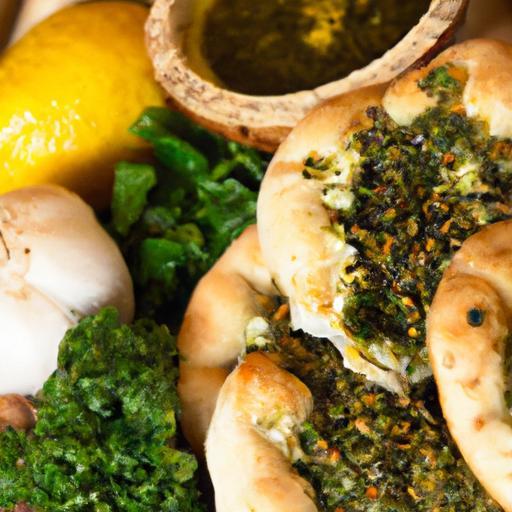
- Prepare zaatar spread: In a small bowl, mix the zaatar spice and olive oil until combined into a vibrant green paste.
- Assemble: Transfer dough rounds onto parchment paper. Generously brush each with the zaatar-olive oil mixture, spreading evenly to the edges.
- Bake: Using a peel or baking tray, slide each flatbread onto the hot stone or baking sheet. Bake 8-12 minutes until golden brown around edges and aromatic.
- Serve warm: Remove from oven and brush lightly with extra virgin olive oil if desired. Serve promptly for best flavor and texture.
Tips for Success
- Use freshly toasted sesame seeds in your zaatar blend to amplify the nutty aroma.
- If you lack yeast, substitute with 1 tsp baking powder for a quicker flatbread, though texture will differ.
- Resting the dough overnight in the refrigerator deepens flavor and improves texture-just bring it to room temperature before shaping.
- Use a pizza stone for even heat distribution and the perfect crust crispness.
- For a more vibrant color and taste,add a pinch of sumac or dried oregano to the zaatar mix.
- To keep flatbreads warm before serving, stack them in a towel-lined basket.
Serving Suggestions
Warm zaatar & olive oil flatbread shines on its own but also pairs beautifully with creamy labneh topped with a drizzle of honey and crushed pistachios. A side of freshly chopped fattoush salad or baba ganoush offers refreshing contrasts. For entertaining,arrange flatbread wedges on a mezze platter with olives,fresh herbs,sliced radishes,and tangy pickles. Garnish with extra zaatar and a splash of olive oil just before serving to awaken the senses.

| nutrient | Per Flatbread |
|---|---|
| Calories | 210 kcal |
| Protein | 5g |
| Carbohydrates | 30g |
| Fat | 8g |
Explore other delightful Middle Eastern recipes like our Creamy Hummus to make an inviting spread. For authentic zaatar blends and detailed cultural lore, visit Britannica’s Zaatar Overview for trusted facts.
Q&A
Q&A: Zaatar & Olive Oil Flatbread: A Flavorful Middle Eastern Delight
Q1: What is zaatar, and why is it so popular in middle Eastern cuisine?
A: Zaatar is a vibrant spice blend native to the Middle East, typically made from dried thyme, oregano, marjoram, sumac, and toasted sesame seeds. Its unique combination offers a tangy, earthy, and nutty flavor profile that’s deeply aromatic. This versatile blend not only enhances the taste of dishes but also carries cultural significance, often enjoyed as a breakfast staple or a communal snack.
Q2: How is zaatar traditionally used with olive oil on flatbread?
A: the classic approach involves generously brushing warm flatbread with high-quality extra virgin olive oil, then sprinkling or spreading zaatar over it. The warm bread gently releases the herbaceous and slightly citrusy notes of the zaatar, which melds beautifully with the rich, fruity olive oil. This simple yet divine combination creates a crispy, fragrant, and satisfying snack or accompaniment.
Q3: What kind of flatbread is best for making zaatar and olive oil flatbread?
A: Traditionally, thin pita or taboon-style flatbreads work best as they crisp up nicely while still remaining tender. Though,any type of soft,thin flatbread-such as laffa,naan,or even homemade dough rolled thin-can beautifully carry the zaatar and olive oil topping.Q4: Can zaatar and olive oil flatbread be served at any time of the day?
A: Absolutely! This flatbread is incredibly versatile and enjoyed throughout the day. It makes a perfect breakfast when paired with labneh (strained yogurt) or fresh vegetables, a light snack on its own, or even a side accompaniment to soups and salads during lunch or dinner.
Q5: Are there any health benefits associated with eating zaatar and olive oil flatbread?
A: Yes! Zaatar contains antioxidants and essential oils from herbs like thyme and oregano, which are known for their anti-inflammatory properties. Olive oil is rich in heart-healthy monounsaturated fats and polyphenols. Together, they create a flavorful dish that’s not only delicious but also nourishing.
Q6: How can someone personalize their zaatar and olive oil flatbread?
A: Creativity is welcome! Some enjoy adding a sprinkle of crushed chili flakes for a spicy kick, a drizzle of tahini for creaminess, or a squeeze of fresh lemon juice to brighten the flavors. you might also layer on thinly sliced tomatoes, cucumbers, or olives for extra texture and freshness.
Q7: Is it tough to make zaatar and olive oil flatbread at home?
A: Not at all! The process is simple and requires minimal ingredients. All you need is fresh or store-bought flatbread, good-quality zaatar, and olive oil. Warm the bread, brush with olive oil, sprinkle zaatar evenly, and bake or toast briefly until fragrant and crisp.It’s an effortless way to bring a taste of the Middle East into your kitchen.
Q8: Where can one find zaatar and olive oil to try this at home?
A: Zaatar spice blends are widely available in Middle Eastern grocery stores and many well-stocked supermarkets. For the best flavor, look for fresh zaatar in sealed packages or spice jars.As for olive oil, choose extra virgin olive oil with a fruity and peppery profile to complement the zaatar perfectly.Q9: What makes zaatar and olive oil flatbread a culturally significant dish?
A: Beyond its delicious flavor, zaatar and olive oil flatbread carries deep roots in Middle Eastern hospitality and tradition. Sharing this simple yet meaningful dish is often an expression of warmth and community, inviting friends and family to gather and enjoy moments together around the table.Q10: Can zaatar and olive oil flatbread be incorporated into modern or fusion dishes?
A: Definitely! This classic pairing serves as a wonderful base or seasoning in contemporary cuisine. It can top avocado toast for a Middle Eastern twist, add a fragrant crunch to flatbread pizzas, or be crumbled over roasted vegetables and salads for bursts of herbaceous flavor.The possibilities are endless.
Wrapping Up
Whether enjoyed as a simple snack or as part of a vibrant meal, zaatar and olive oil flatbread embodies the rich culinary heritage of the Middle East in every bite.Its fragrant herbs and silky oil create a harmony of flavors that’s both timeless and inviting. Next time you’re craving something warm, flavorful, and deeply satisfying, reach for this humble yet extraordinary flatbread-and savor a delicious tradition that has been delighting taste buds for centuries.